
Some games age by mechanics. Red Dead Redemption aged by atmosphere. You can feel it in the first minute: dust, silence, uneasy sunlight, and that old-west tension where every ride feels like it might become a story. In 2026, that mood still lands because it is paced like a film but played like a road trip.
What Rockstar nailed was restraint. The game does not scream for your attention every ten seconds. It lets stretches of quiet exist so that violence, betrayal, and weird side encounters feel earned. That design choice is rare now, and it is a huge reason revisiting Red Dead feels refreshing rather than dated.
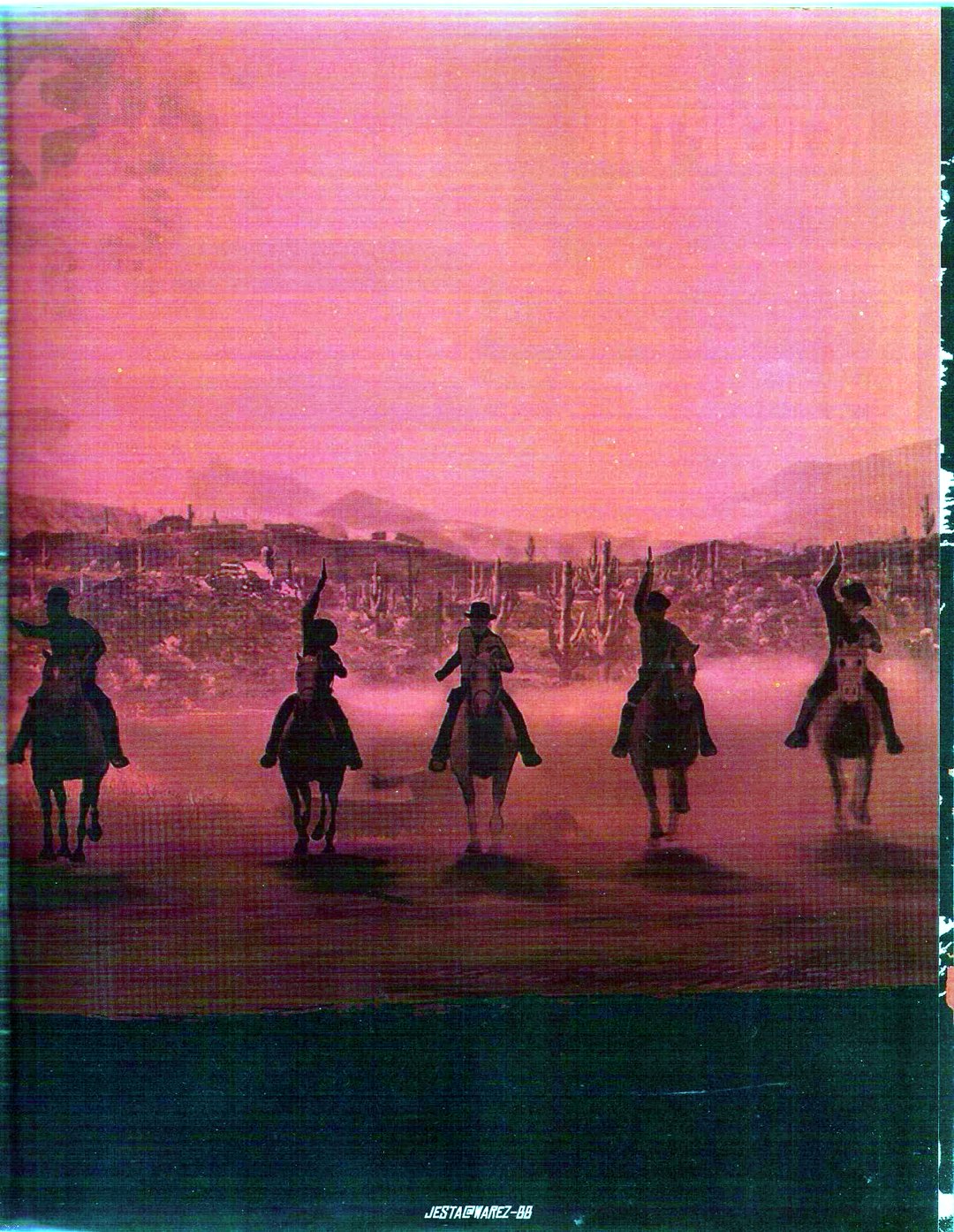
The world also has memory. You start recognizing ridgelines, routes, and danger zones not because the UI spoon-feeds you, but because the terrain teaches you over time. That creates emotional geography — the feeling that places mean something beyond collectibles.
Nostalgia-wise, Red Dead sits in a sweet spot: late enough to feel polished, early enough to feel handcrafted. You can still see where designers prioritized tone and pacing over endless systems bloat. That gives the game a coherent identity many modern open-world titles struggle to keep.
If you replay it today, the best approach is simple: move slower. Do one mission chain, one free-roam detour, one sunset ride. The game rewards that cadence. Treat it like a world to inhabit, not a checklist to clear, and it still feels incredible.
That is why Red Dead deserves more than “classic western game” headlines. It is a case study in emotional world design that still teaches modern developers plenty.