
Why Retro Game Difficulty Curves Feel So Intentional
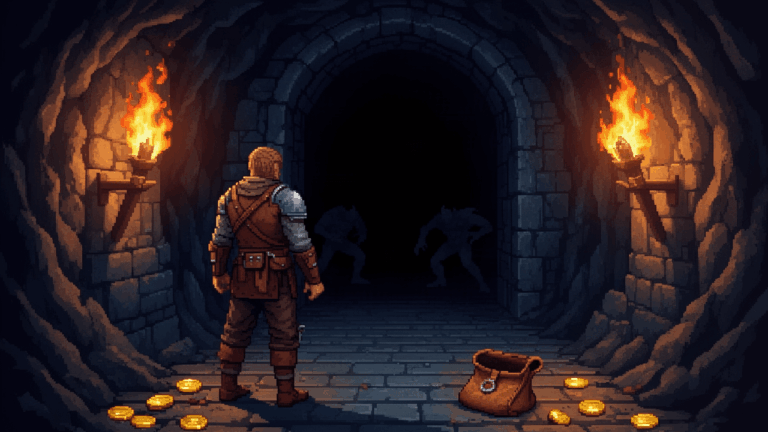
Retro game difficulty curves were rarely just about making players suffer. They were authored through space, enemy placement, and dwindling resources that steadily narrowed your options.
Retro Gaming rounds up nostalgic game deep dives, strategy guide memories, franchise revisits, and the pixel-era obsessions that still feel alive.
Retro game difficulty curves were rarely just about making players suffer. They were authored through space, enemy placement, and dwindling resources that steadily narrowed your options.
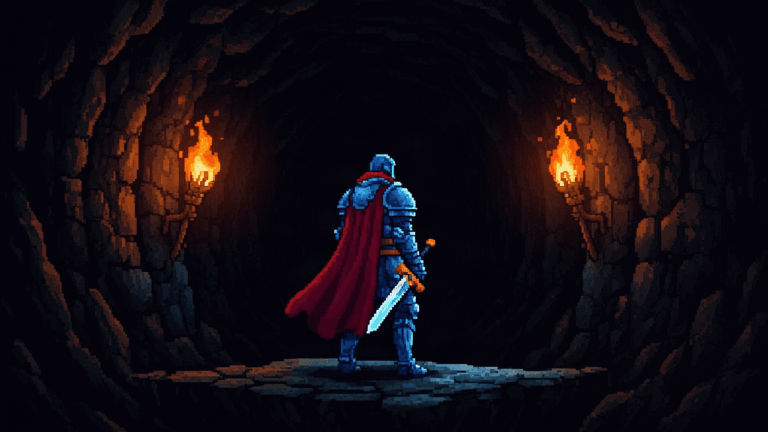
Retro game camera design did more than frame action. Fixed angles, hidden corners, and limited viewpoints taught players how to move, listen, and survive in spaces they could not fully see.
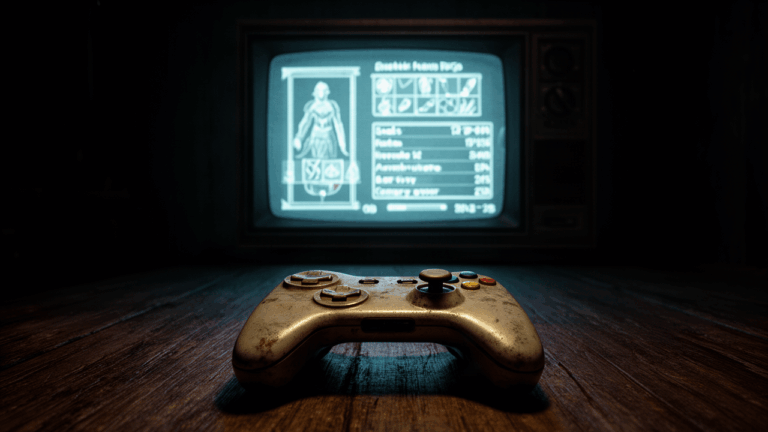
Retro game UI design wasn’t just about fitting text on screen. It shaped inventory, status, and menu flow into part of the play experience, and the best interfaces still feel elegant today.
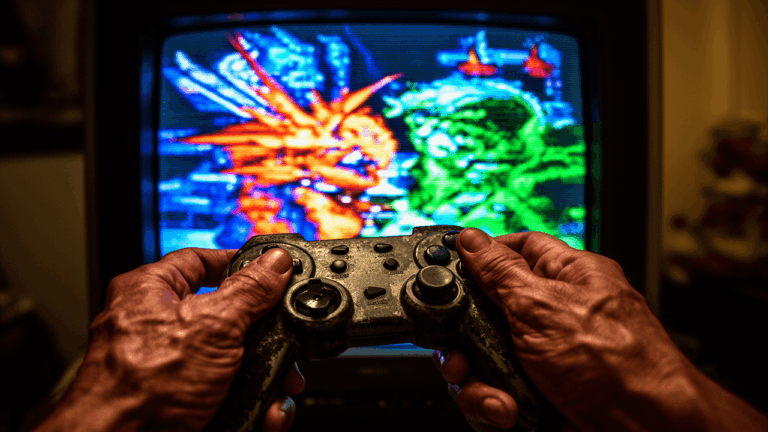
Retro game input delay didn’t just make classics feel sluggish or heavy. It changed timing, strategy, and the skill ceiling, forcing players to learn rhythm, anticipation, and compensation as part of play itself.
Retro game difficulty options were rarely elegant. But even crude Easy/Normal/Hard menus tell us a lot about who games were built for, what designers thought players needed, and why replay value mattered so much.

Two decades later, Arx Fatalis remains a cult classic that deserves modern revival. Here's why this underground RPG gem should get the remaster treatment.
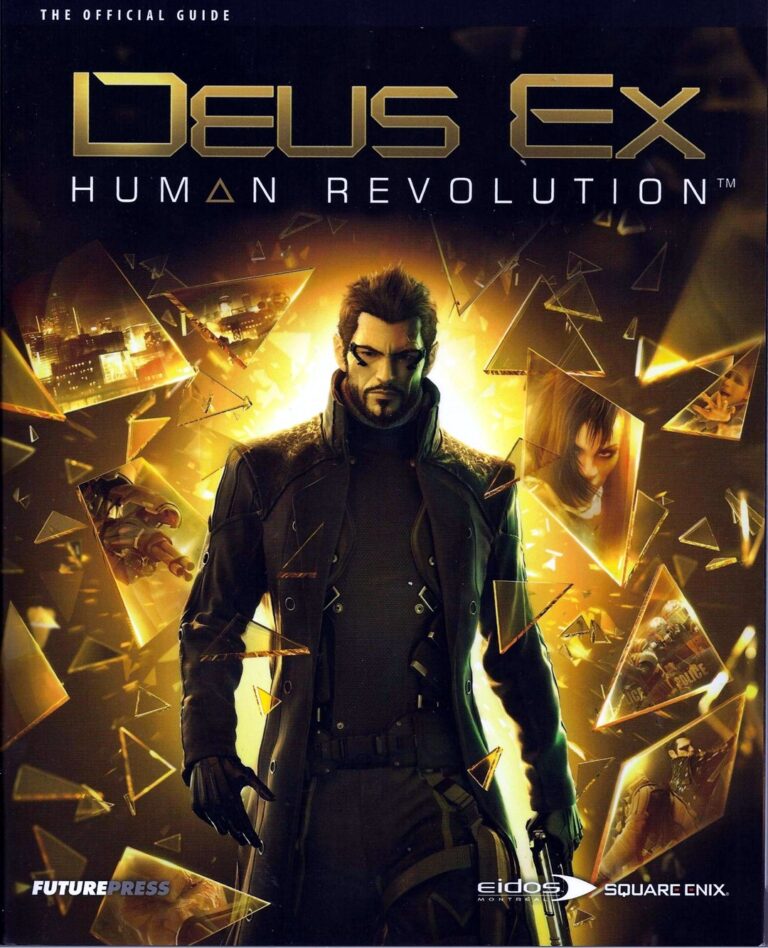
Retro Cyberpunk Culture Check: What Human Revolution Got Right About Anxiety and Control

Replay Starter Pack: How to Revisit Red Dead Without Turning It Into Homework
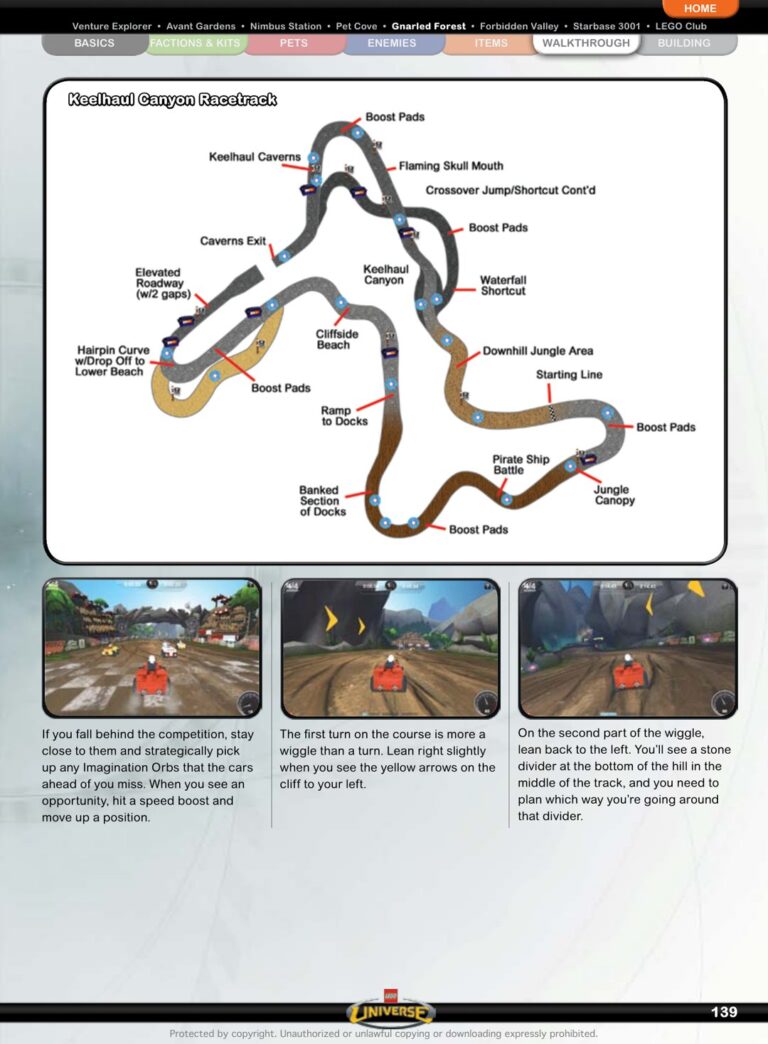
What modern creators can still learn from Lego Universe guide design about readability, voice, and player momentum.
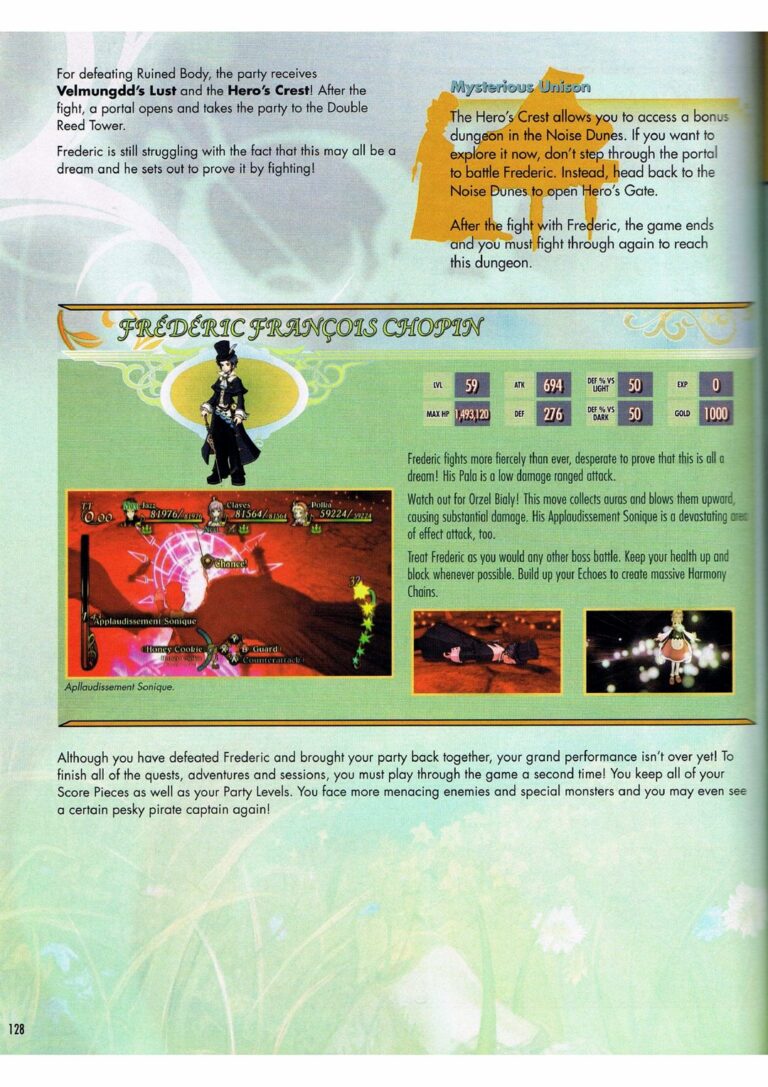
A replay-friendly starter framework for modern players returning to Eternal Sonata in short sessions.