

Human Revolution still wins on one thing most modern games fumble: coherent identity. From the gold-black palette to the music and mission pacing, everything serves the same cyberpunk thesis — power has a price, and systems always push back.
Replaying in 2026, what stands out is how readable everything is. Levels are dense but intentional. Dialogues have weight. Build choices actually change your rhythm instead of just inflating numbers. It feels authored, not assembled.
The social/stealth/combat triangle also holds up because the game does not bully you into one lane. You can still feel your own playstyle emerge over time, and that makes each replay slightly personal. Few RPG-adjacent shooters manage that this cleanly.
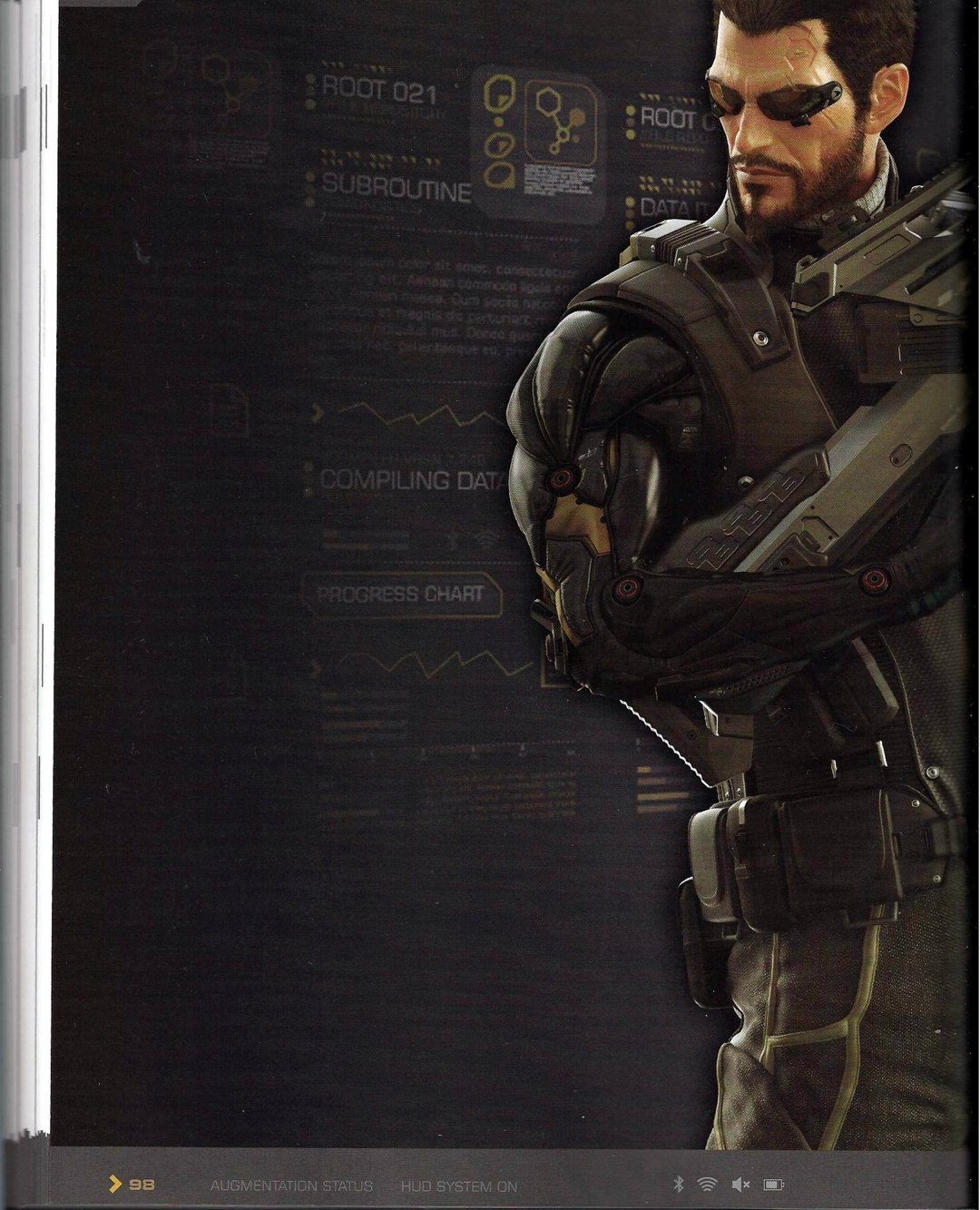
If you revisit it now, the best move is to lean into intent: decide what kind of Adam Jensen you are before each mission. That one mindset shift makes the campaign feel tighter and more satisfying from start to finish.
That is why this game still belongs in serious retro coverage: it is not just nostalgic — it is a design statement that still teaches.
Another reason this replay stays strong is mission readability. Objectives are clear enough to keep momentum, but spaces still allow improvisation. You are not just following a line — you are solving a problem. That makes each mission feel authored while still leaving room for personal style. It is a balance modern games often miss when they over-script outcomes.
For returning players, this also means your memory of the game can evolve. Maybe you played aggressive ten years ago and now prefer stealth-social routes. Human Revolution supports that shift without feeling like a different game entirely. That flexibility is a major part of its longevity.