
Human Revolution landed during a moment when cyberpunk themes were shifting from neon style to systems anxiety. The game captures that transition: augmentation as empowerment, surveillance as normalization, and institutions as moral fog machines.
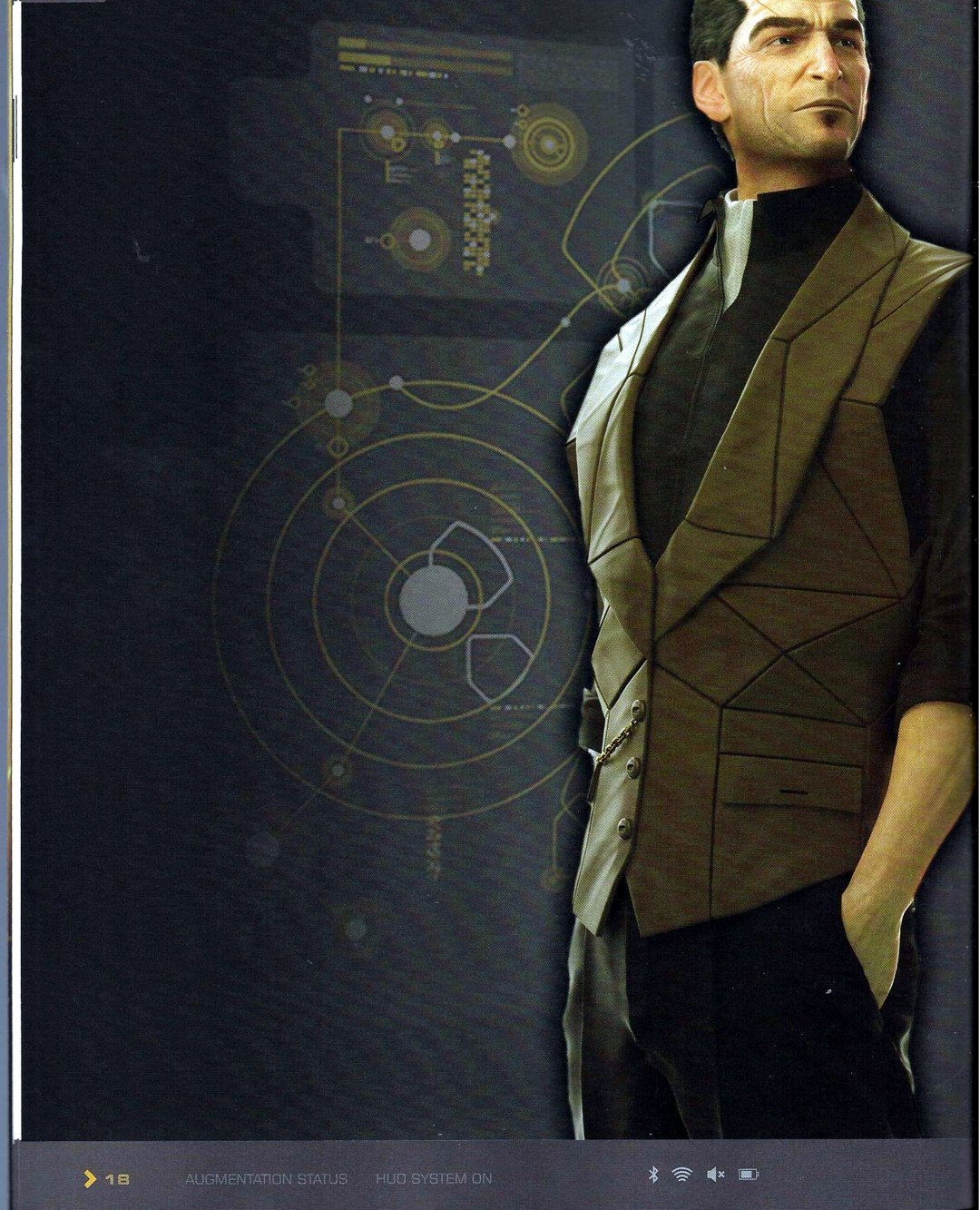
What makes it memorable is that these themes are not just in dialogue. They are embedded in mission structure, side quest framing, and even how hubs are socially stratified. The politics are playable.
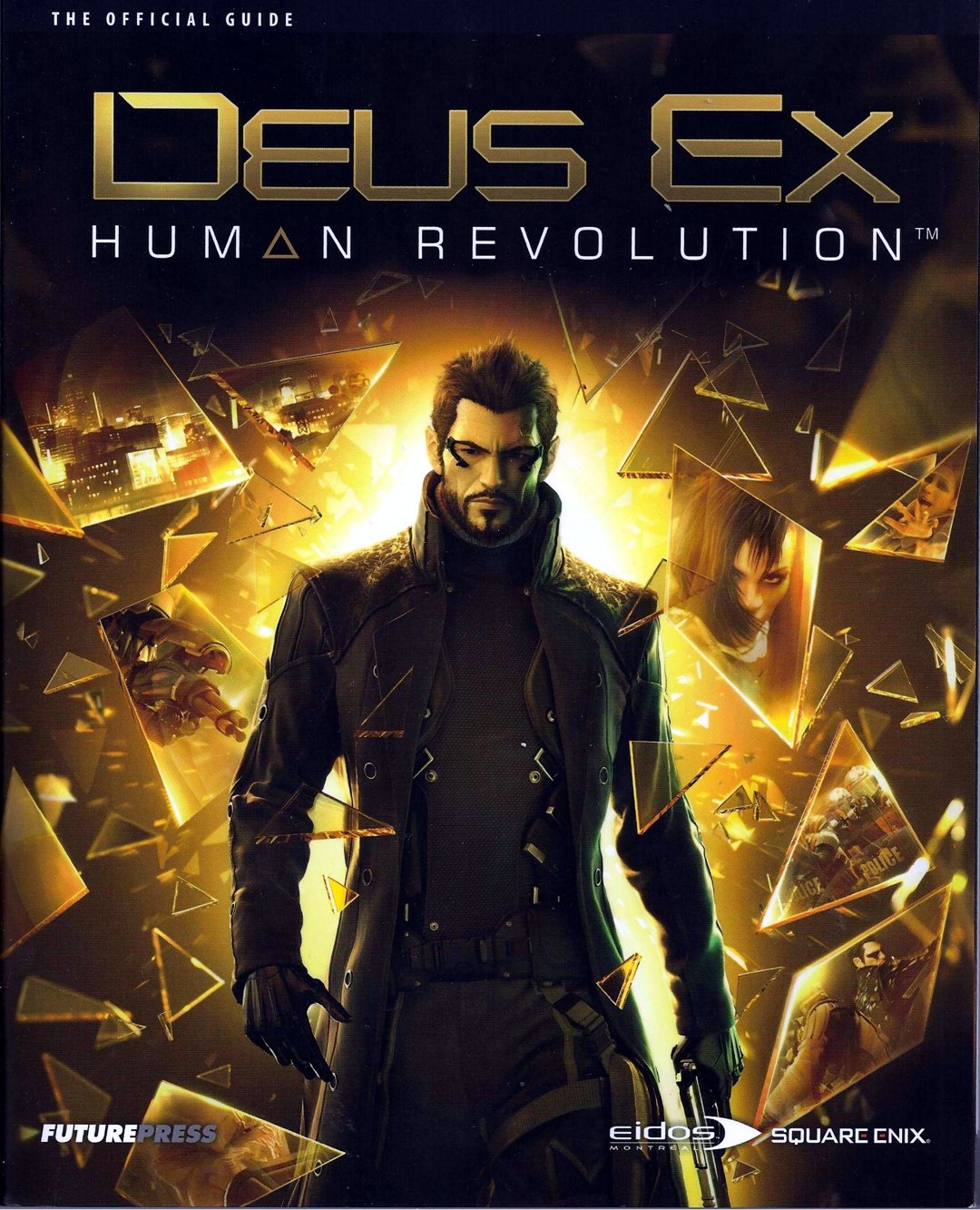
From a nostalgia lens, this matters because the game reflects a specific cultural mood of the early 2010s — one that has only become more relevant. Replaying now feels less like retro escapism and more like historical commentary.
That gives your site stronger coverage options than pure mechanics. You can connect game design to cultural context and make the article useful to both players and readers who care about media history.
When retro writing does that well, it stops being filler and becomes archive-worthy.
This is why Human Revolution has become a useful retro reference point. It sits at the intersection of mechanics, aesthetics, and social anxiety in a way that still maps to current conversations about technology and control. The game did not predict everything, but it captured the emotional texture of its moment with unusual clarity.
For your site, this opens a bigger editorial lane: games as cultural artifacts, not just consumables. That framing attracts readers who care about meaning, not only optimization.
And it pairs nicely with gameplay-focused pieces because you can move between systems analysis and era commentary without losing coherence.
When retro posts do that well, they stop being throwbacks and start becoming documentation.
For anyone replaying with limited time, keep a tiny session log after each mission: what decision paid off, what created friction, and what you will try next time. That two-minute habit compounds quickly and makes every return session sharper. It also turns replay content into a living reference instead of a one-time read, which is exactly what high-quality nostalgia coverage should do.
For anyone replaying with limited time, keep a tiny session log after each mission: what decision paid off, what created friction, and what you will try next time. That two-minute habit compounds quickly and makes every return session sharper. It also turns replay content into a living reference instead of a one-time read, which is exactly what high-quality nostalgia coverage should do.
 Instagram
 TikTok
 YouTube
 Facebook
 X
X Mastodon
 Bluesky