

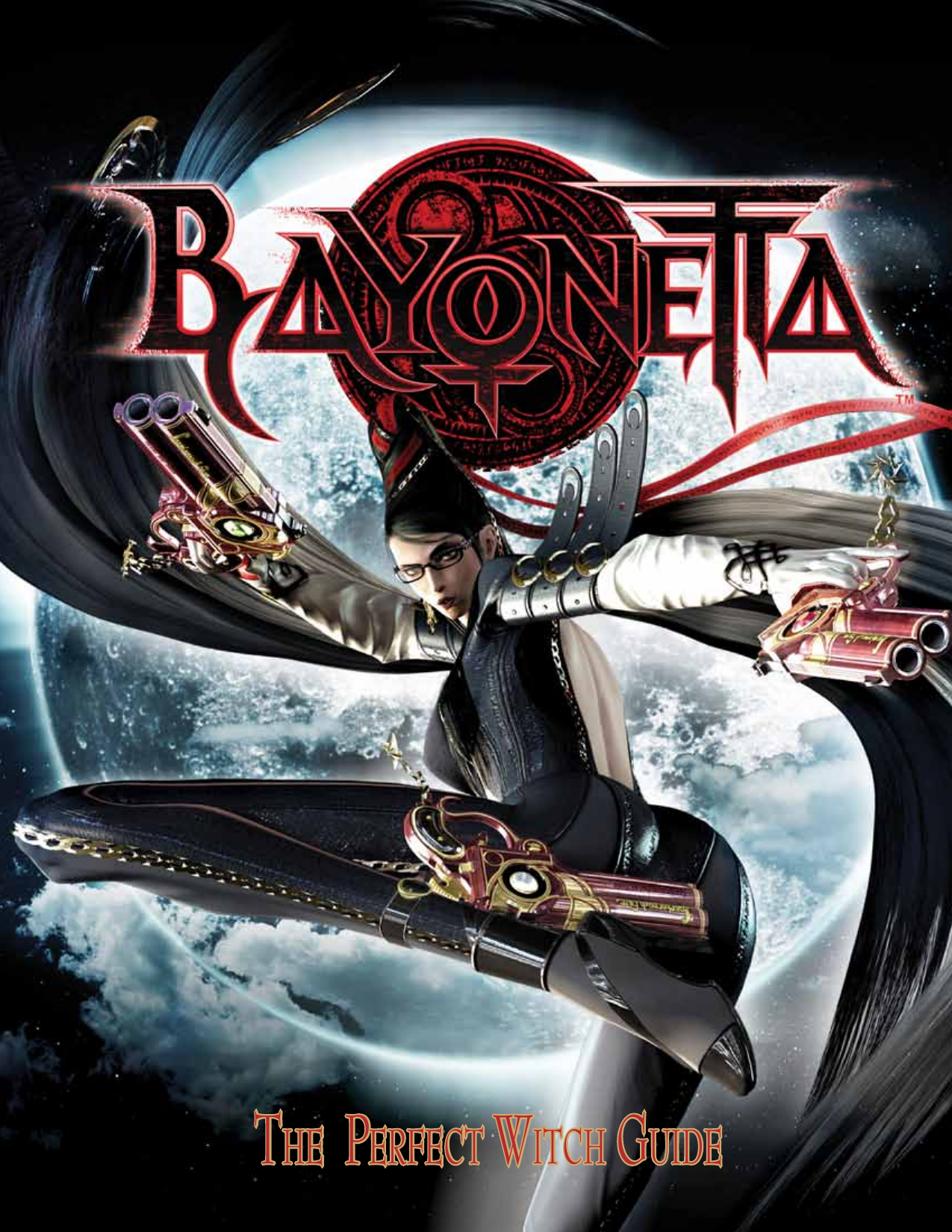
Some games age gracefully. Bayonetta still kicks the door in. Even in 2026, it feels sharper, bolder, and more intentional than a lot of modern action releases. That’s not just nostalgia talking. It’s what happens when movement, combat rhythm, and visual identity are designed to reinforce each other from the ground up.
Style Is the Point, Not a Bonus
Bayonetta doesn’t separate aesthetics from gameplay. The animation language, camera energy, enemy presentation, and sound design all push you toward confident play. When the game looks dramatic, it’s usually because your inputs, timing, and decision-making are creating that drama. That loop makes style feel earned.
Combat Rewards Commitment
A lot of action games let players survive by being cautious and repetitive. Bayonetta rewards commitment instead. You learn by pressing forward, reading patterns, and making fast corrections in real time. The game asks for precision but gives clear feedback, so losses feel like information rather than random punishment.
That design choice is why replaying Bayonetta still feels good years later: there’s always another layer to clean up, another encounter to optimize, another habit to break. The systems reward consistency without becoming rigid, so every return run has room for personal style. That mix of strict feedback and expressive freedom is rare.
Replayability Is Built Into Its DNA
Bayonetta was never a one-and-done experience. The scoring mindset, challenge structure, and difficulty curve all nudge players toward return runs. You don’t just beat a chapter—you revisit it with better execution and stronger route awareness. That replay loop is a big reason the game still has conversation power while many peers faded.
What Modern Action Games Can Learn
- Readable chaos: high spectacle should still communicate useful information
- Input honesty: if players fail, they should understand why
- Identity consistency: visuals, mechanics, and tone should tell the same story
- Mastery hooks: first clear should feel like the beginning, not the end
Bayonetta still matters because it respects the player’s desire to improve. It doesn’t flatten challenge, and it doesn’t hide weak systems behind cinematic noise. It trusts that players want depth, and then delivers it with confidence.
If you care about action design, Bayonetta is still required study—whether you’re replaying it for fun, building your own game, or just trying to understand what mechanical clarity looks like when it’s done right.
Where New Players Should Focus First
If you’re coming in fresh, focus on consistency before flash. Learn enemy timing, keep your movement deliberate, and treat every encounter as practice for the next one. Once your defensive reads stabilize, your style naturally opens up. That progression feels satisfying because the game keeps rewarding better habits instead of demanding perfect play immediately.
Bayonetta’s best quality is that it supports both short sessions and long-term mastery. You can jump in for a chapter and still feel momentum, or spend a weekend refining execution and see visible gains. That flexibility is a huge reason it still belongs in modern action-game conversations.