

Great boss design is one of the biggest reasons Final Fantasy X still plays so well. The game avoids turning bosses into random damage spikes and instead treats each fight as a strategic test. In 2026, that approach still feels cleaner and more rewarding than many modern encounters that rely on visual noise over tactical clarity.
Bosses With Distinct Intent
FFX encounters are built around readable pressure. Some punish bad turn planning, others punish weak status control, and others force you to use party rotation intelligently. This means boss identity is tied to mechanics, not just art direction. Players remember fights because each one asks a different question about system mastery.
Readable Combat Creates Fair Tension
The visible turn timeline is a huge design win. You can anticipate danger windows, manage resources deliberately, and plan several actions ahead. That transparency creates a better feedback loop: victories feel earned, failures feel informative, and replay runs become opportunities for optimization instead of frustration.
Long-Term Value
Because FFX supports multiple build paths through the Sphere Grid, boss solutions are flexible rather than fixed. That variability keeps challenge runs and replays interesting years after release.
Final Take
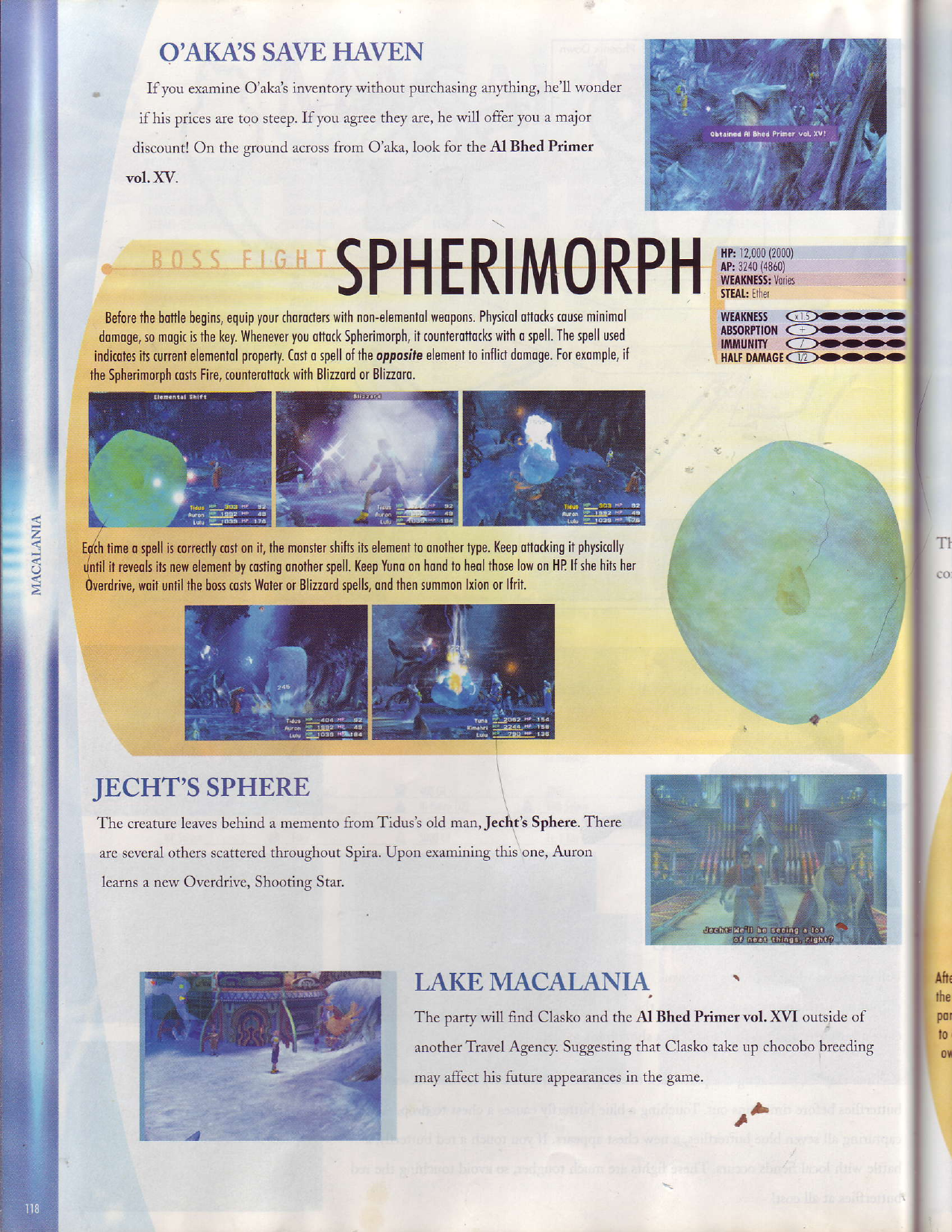
FFX boss fights still hold up because they reward decisions, not luck. That design philosophy is timeless, and it is exactly why this game remains a reference point in retro and modern RPG analysis.
 Instagram
 TikTok
 YouTube
 Facebook
 X
X Mastodon
 Bluesky