
Final Fantasy X is one of the clearest pivot points in JRPG history. It delivered cinematic ambition without sacrificing strategic depth, and that balance still matters today. In retro coverage, FFX should be treated as living design context—not just a nostalgic memory lane title.
Character Work With Staying Power
Yuna’s resolve, Tidus’s identity struggle, and Auron’s guarded mentorship all hold up because they serve the same thematic spine: how people carry duty, grief, and belief across generations. The writing gives each arc enough room to breathe, which is why the emotional beats remain effective for first-time players even decades later.
System Design That Influenced the Genre
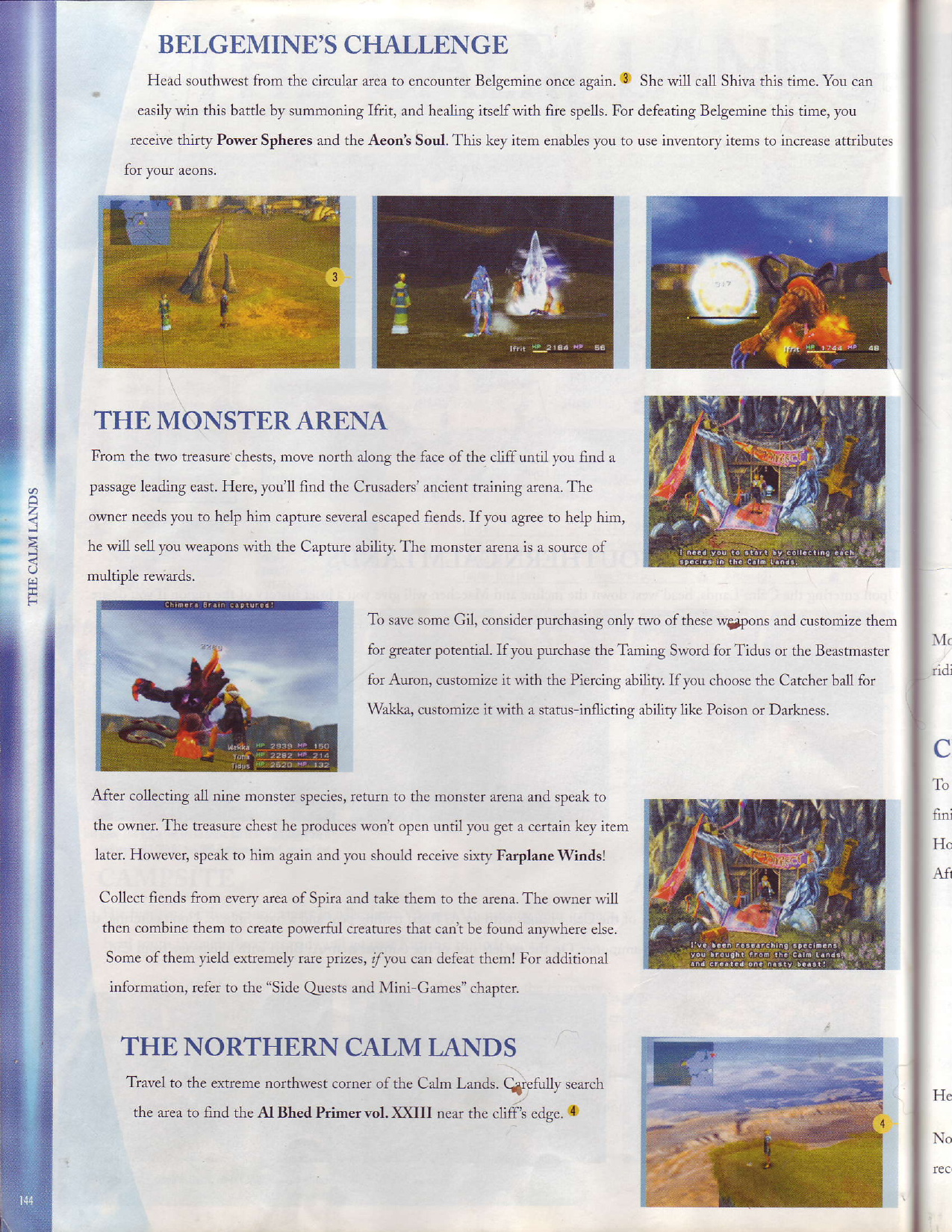
The Sphere Grid introduced meaningful progression agency long before “build crafting” became common vocabulary. Players could follow intended roles or branch into unusual hybrids, and both choices felt valid. Combined with readable turn-order combat, the system design still feels modern in its respect for player intent.
Why It Still Matters in 2026
FFX proves that strong pacing, coherent world rules, and tactical clarity age better than short-term spectacle. You can trace its influence in later JRPG structure, encounter readability standards, and narrative staging.
Final Take
For Tavern Cellar’s retro lens, FFX is not just a classic worth remembering. It is a quality benchmark worth revisiting whenever we talk about what excellent RPG design actually looks like.
 Instagram
 TikTok
 YouTube
 Facebook
 X
X Mastodon
 Bluesky