


What Turns a Movie Into a Cult Favorite After Release?
The phrase cult classic movies gets tossed around so often that it can sound vague, almost decorative. But the pattern behind cult status is surprisingly consistent: a movie misses the usual path to success, then finds a second life through repetition, community, and the strange pleasure of loving something that doesn’t behave like a mainstream hit.
A cult favorite is rarely just “old” or “quirky.” It’s a film that starts to mean more after release than it did on opening weekend. That change usually comes from a mix of failure, discovery, and fan devotion. Some movies arrive too weird for the moment. Some are marketed badly. Some are built from genre collisions that critics don’t know how to classify. And some just become irresistible once audiences start quoting them, screening them at midnight, and passing them along like a secret.
Cult classic movies usually start outside the mainstream
The most common origin story for cult classic movies is not a triumphant box-office run. It’s the opposite.
A movie may underperform, confuse audiences, or land at the wrong time. That doesn’t doom it. In fact, it can help. When a film fails to become a mass-market event, it has room to become something smaller and more intense: a shared obsession.
That can happen for a few reasons:
- Bad timing: The audience wasn’t ready for the film’s tone, style, or subject.
- Poor marketing: Viewers were sold one kind of movie and got another.
- Critical resistance: Reviews dismissed the film before audiences had a chance to form their own bond with it.
- Genre oddity: The movie blended tones or categories in a way that felt risky or confusing.
- Narrow appeal: It spoke loudly to a specific subculture, even if it never reached the broad public.
A cult favorite often has a built-in mismatch between expectation and experience. That gap is where the obsession grows.
The first spark: box office failure or indifference
Not every cult film is a flop, but plenty of them begin as one.
A disappointing opening weekend can be the first clue that a movie is destined for a second act. When a film doesn’t immediately earn a wide audience, it can move out of the commercial spotlight and into the hands of viewers who discover it later, on cable, on VHS, on DVD, or in streaming libraries where curiosity finally beats marketing.
That delayed discovery changes the relationship. Instead of being told what a movie is, audiences figure it out for themselves. That feeling matters.
A film that was once dismissed can become fascinating precisely because it didn’t fit cleanly into the industry’s success categories. People begin to admire the risk. They notice the audacity. They enjoy the parts that were once considered flaws: the overacting, the tonal whiplash, the bizarre costumes, the earnestness, the strange pacing.
In cult cinema, failure is often just an alternate entrance.
Midnight screenings turn odd movies into communal rituals
If box office failure is the seed, midnight screenings are often the watering can.
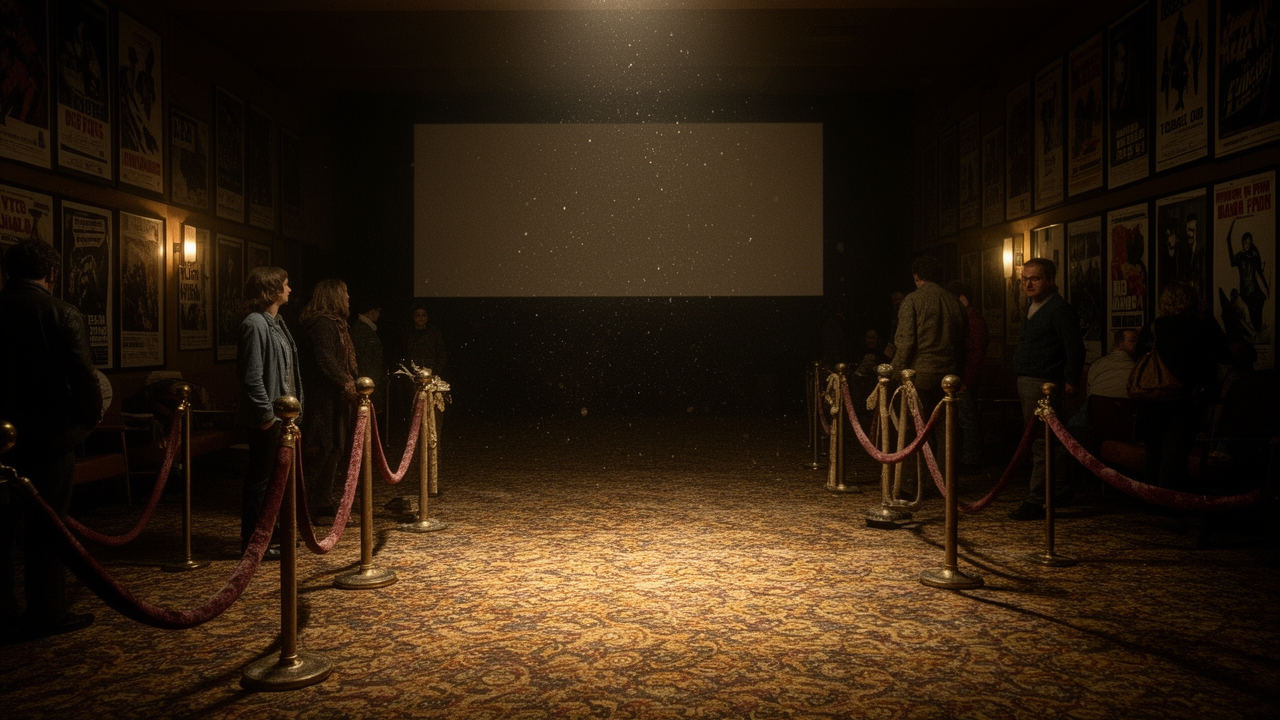
Late-night showings turn a movie into an event. The crowd is different. The rules are different. People are not there to be politely impressed; they are there to participate. A strange line gets laughed at in exactly the right moment. A reveal lands with a groan and a cheer. A scene that felt awkward in the afternoon becomes exhilarating at midnight.
This is where cult classic movies often shift from private taste to public ritual. Fans dress up, repeat lines, and treat the screening itself as part of the artwork.
Midnight movie culture rewards films that are:
- visually bold
- emotionally excessive
- tonally unstable
- easy to quote
- fun to react to in a crowd
A movie doesn’t need to be “good” in the conventional sense to thrive here. It needs to be sticky. It needs moments that people want to shout back at the screen.
Quotable dialogue gives a film a second life
Some films survive because their dialogue escapes the movie and enters everyday speech.
A great line can do what marketing never could: make a film portable. People repeat it to friends, post it online, and use it as shorthand for an attitude or mood. Once that happens, the movie no longer belongs only to its original release window.
That’s a big part of why cult classic movies endure. The lines are often short, punchy, and slightly offbeat. They sound like in-jokes, even before the audience fully gets the joke.
Quotable dialogue works best when it does at least one of these things:
- captures a larger personality in a single sentence
- sounds absurdly confident or overly specific
- becomes funnier with repetition
- signals membership in a fan community
The more a line can be borrowed, the more a movie can be carried forward by its audience.
Passionate fandom matters more than broad approval
Cult status is not about everyone liking a movie. It’s about a smaller group loving it with unusual intensity.
That intensity is what keeps a film alive after the original marketing campaign is gone. Fans create the ecosystem: they recommend the movie, debate it, reference it, defend it, and turn it into a shared language.
This is where cult movies differ from “beloved” mainstream hits. A popular film may be widely accepted, but a cult favorite often inspires a more active relationship. Fans don’t just admire it; they curate it.
They might:
- host themed screenings
- make memes and quote threads
- build costume communities around the film
- defend misunderstood performances
- insist the movie is better than its reputation
That devotion is part scholarship, part performance, part inside joke. And because it’s contagious, cult status can grow long after the theater run ends.
Genre-mixing oddities make movies harder to label—and easier to love
One of the clearest patterns in cult classic movies is weirdness with purpose.
These films often mix tones or genres in a way that feels unstable on first contact. Horror and comedy. Sci-fi and satire. Romance and melodrama. Action and absurdity. The result may not fit a neat studio category, but it does something more interesting: it creates an identity that’s hard to forget.
Genre-mixing oddities tend to age well because they resist flattening. A movie that was once dismissed as “too much” may later be appreciated as exactly enough. The unevenness becomes the charm. The tonal shifts become the appeal.
This is why a movie can move from embarrassment to admiration. What once looked sloppy may reveal itself as fearless. What once seemed confusing may start to feel ahead of its time.
Why some cult favorites grow instead of fading
The post-release life of a cult movie depends on repeat discovery.
If a film has layers, jokes, visual details, or moods that reward another viewing, it can keep generating new fans. Each fresh audience arrives at a different cultural moment and sees the movie through a different lens. That flexibility is part of the magic.
A cult favorite can also benefit from the internet, where screenshots, clips, and quotes travel far faster than old-school word of mouth. The digital age has made cult formation quicker, but the basic pattern hasn’t changed. A movie catches fire because people feel oddly, personally responsible for keeping it alive.
That sense of stewardship matters. Fans are not just watching; they are rescuing, reintroducing, and reinterpreting.
The ingredients that most often create cult status
No single rule creates a cult favorite, but the recurring ingredients are easy to spot.
1. A release that misses the mainstream moment
The movie arrives before audiences are ready, or outside the commercial lane it was expected to occupy.
2. A distinct voice or visual identity
Even when the movie misfires, it leaves an impression. It looks, sounds, or feels like nothing else.
3. A strong rewatch value
The film contains details, patterns, or performances that become more rewarding over time.
4. A line, scene, or image that people want to repeat
The movie creates a hook that can live independently of the plot.
5. A community that adopts it
Fans make the film social. Once that happens, the movie is no longer just content; it becomes culture.
6. A willingness to be strange
The films that become cult favorites often take risks that safer movies avoid. They may stumble, but they don’t disappear.
Cult status is usually earned, not assigned
The label “cult classic” can’t really be manufactured by a studio campaign. It has to emerge after the fact.
That’s what makes the category so appealing. A cult favorite is evidence that audiences don’t always need to agree with the marketplace. Some films take time to find their people. Some become more valuable because they were once doubted. And some movies thrive because they’re too specific, too strange, or too emotionally sincere to be reduced to a simple hit.
In that sense, cult classic movies are less about perfection than persistence. They survive by becoming memorable, repeatable, and worth arguing about. A movie doesn’t become a cult favorite because everyone approves. It becomes one because the right viewers decide it deserves a longer life.
The bottom line
What turns a movie into a cult favorite after release is usually a combination of commercial disappointment, late discovery, midnight movie culture, quotable dialogue, passionate fandom, and genre-bending strangeness. The exact formula changes, but the outcome is similar: a film that begins on the margins becomes unforgettable because people keep returning to it.
That’s the real appeal of cult cinema. It proves a movie doesn’t need a perfect opening to matter. It just needs the right audience, the right moment, and enough personality to survive being misunderstood.
If you’ve got a favorite example of cult classic movies that grew on you over time, share it in the comments—I’d love to hear which films won you over after release.