

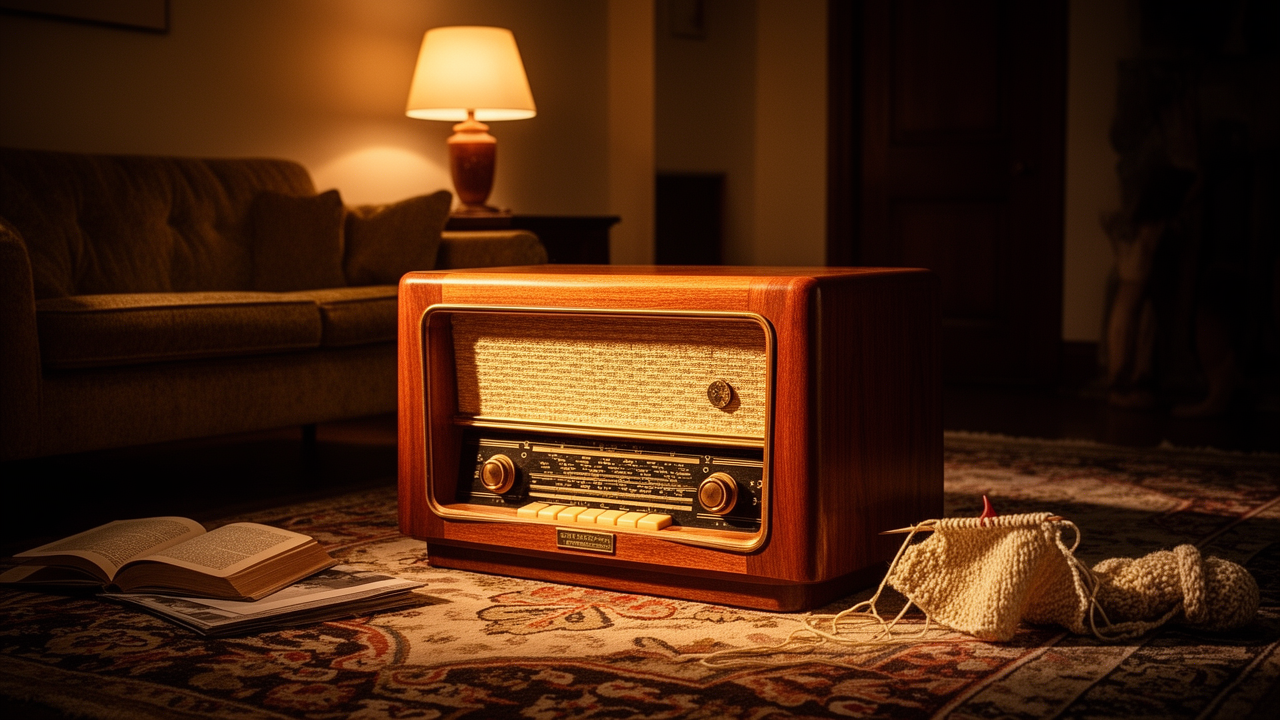
Retro radio ads and the promise of the modern home
Before television took over the center of the room, retro radio ads sold something bigger than sound. They sold atmosphere, authority, and a sense that the modern home had finally found its centerpiece. In the ad world of the 1930s through the 1950s, a radio was rarely just a box with a speaker. It was a polished piece of furniture, a family habit, and a small but visible declaration that the household was current.
That is what makes these ads so revealing. They show how advertisers understood the home not as a static backdrop, but as a stage for status. A radio could stand in for taste. It could signal technical literacy. It could even suggest that a family was part of the national conversation simply by owning the right cabinet in the right room.
Why radio was sold as more than a machine
Radio arrived at a moment when home life was being reimagined around convenience, leisure, and modern style. Advertisers leaned into that shift. Their copy and imagery rarely focused only on electronics. Instead, they wrapped the device in lifestyle language:
- a polished cabinet that fit the room
- a warm glow that made evenings feel civilized
- a source of news, music, sports, and drama
- a way to bring the outside world into the parlor
- a marker of taste, sophistication, and progress
The trick was simple but effective. If a radio could be pictured as part of the furniture, then buying one felt less like purchasing equipment and more like completing the home.
That framing mattered because early and midcentury consumers were being asked to trust a new kind of domestic technology. Advertisers knew the emotional sale had to happen first. Technical features would come later.
How retro radio ads turned furniture into aspiration
One of the most striking visual habits in these ads is the way they place the radio in a carefully staged interior. The room usually looks calm, rich, and orderly. Curtains are drawn just so. Lamps cast a friendly amber tone. Upholstery is patterned but restrained. No one is rushing. No one is distracted. The radio sits in the center of the scene like it naturally belongs there.
This was not accidental. Radio companies wanted buyers to imagine the set in their own homes, but improved—more elegant, more social, more complete. The radio cabinet might be lacquered, carved, rounded, or finished in a wood tone that suggested permanence. The message was clear: this was not a disposable appliance. It was a purchase with presence.
Advertisers often positioned the set as if it were a sideboard, console, or mantelpiece object. That made the radio feel respectable in a way that bare technology did not. It was “modern,” but not cold. “Advanced,” but not alien. In other words, it was the perfect bridge between novelty and comfort.
The family gathering point as a selling point
The strongest emotional pitch in radio advertising was not individual ownership. It was togetherness.
Many ads showed parents and children gathered around the radio in the evening, listening with soft attention. A scene like that did several jobs at once. It suggested harmony, discipline, and leisure. It implied that the family had shared rituals. It also made the radio feel indispensable, as if no proper household could be without one.
This was a clever move because radio was inherently social. It organized time. It shaped routines. It gave families a reason to sit together after dinner. Advertisers made that behavior look aspirational rather than ordinary.
In these images, the room itself often becomes part of the pitch. The radio is not merely in the home; it animates the home. It turns a living room into a listening room, a dining nook into a news center, and an evening into an event.
The domestic scenes advertisers loved
Certain household moments appear again and again because they made radio feel essential:
- a mother listening while managing the evening routine
- a father hearing news or sports after work
- children sitting quietly for a music program or drama
- a couple sharing a set as part of a refined night at home
- a holiday gathering where the radio anchors the mood
These scenes are persuasive because they blur utility and ritual. The radio does not just deliver content; it structures family life. That is a powerful claim for any product.
The language of news, music, and prestige
The copy in retro radio ads often leaned on a trio of values: information, entertainment, and status.
News made the radio feel necessary. It was the household’s link to the wider world. During periods of political tension, war, or rapid social change, that message only grew stronger. Music made the radio feel pleasurable and cultured. It could bring concerts, dance bands, crooners, and popular hits into the living room without effort. Prestige made the purchase feel socially meaningful. Owning a radio meant keeping up, being informed, and having taste.
That mix was powerful because it touched both the practical and symbolic sides of ownership. A radio could be justified as a tool and desired as a luxury.
Advertisers often used language that made the device sound broad in its reach but precise in its performance. They promised rich tone, selective tuning, dependable reception, and clarity. Even when consumers did not understand the mechanics, the words created confidence. Technical jargon became a costume for trust.
Technical jargon as a kind of glamour
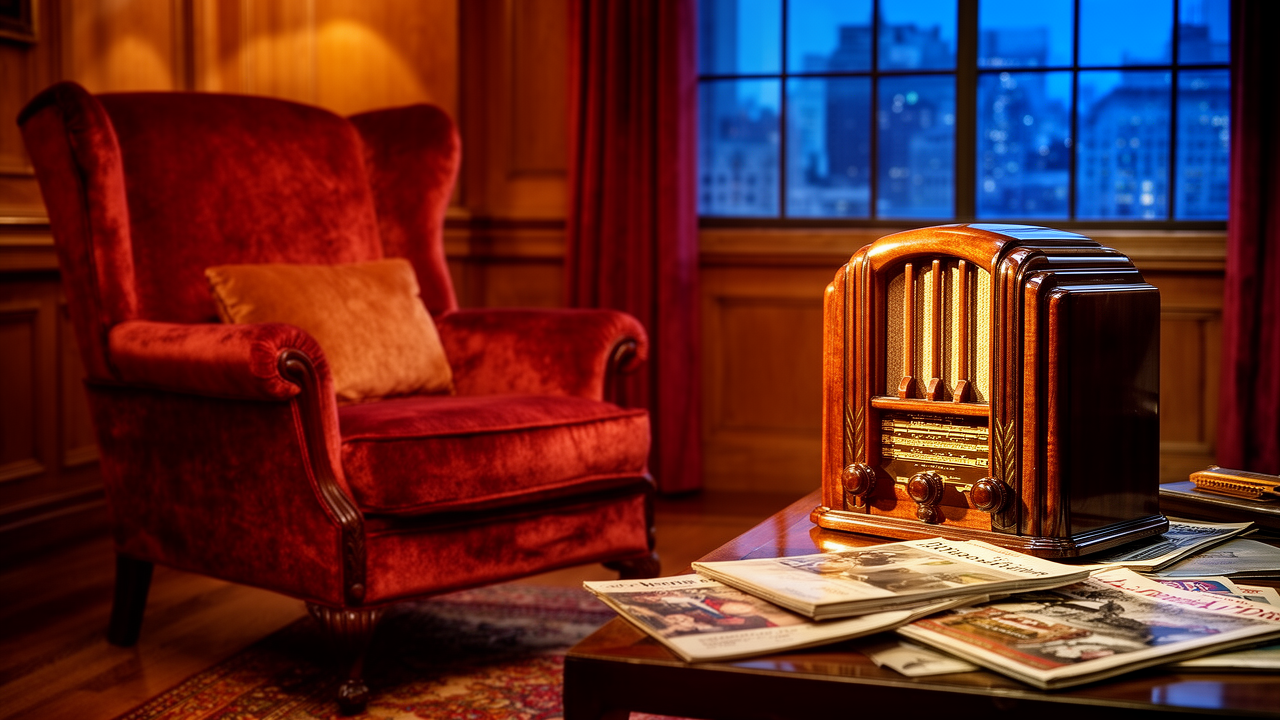
One of the most fascinating features of retro radio ads is how often they borrow the language of engineering to build desire.
Terms about tuning, sensitivity, range, speakers, fidelity, and circuitry appear in copy not simply to inform, but to reassure. The point was not always that the average buyer could decode the technology. The point was that the technology sounded serious.
That seriousness helped elevate the product. A radio that could boast of improved reception or advanced design felt more like a piece of modern achievement than a simple consumer good. The technical language gave the impression that the radio was built on expertise, even when the ad was really selling comfort and class.
It is an old and effective advertising move: turn complexity into authority, then turn authority into desire.
Warm interiors made modernity feel safe
Radio ads rarely showed the device in a harsh or sterile environment. The surrounding interiors were almost always warm, human, and carefully arranged. That was part of the persuasion.
Technology can intimidate. Warm interiors soften the edges. By placing a radio in a cozy room, advertisers made modernity seem domestic rather than disruptive. The cabinet matched the furniture. The lighting was flattering. The family expressions were relaxed. Nothing about the scene suggested experiment or risk.
This visual strategy mattered because radio was being sold during a period when many consumers were deciding whether the future would feel threatening or inviting. The ads answered with an elegant compromise: the future could be plugged into the wall and still feel like home.
Radio as status, not just convenience
It is easy to forget how conspicuous a radio once was. A good set occupied space. It could be expensive. It could be displayed. In some homes, it functioned like a social object as much as a utility.
That is why status appears so often in the subtext of radio advertising. The set told visitors something about the household. It suggested literacy in modern culture. It implied that the family was not behind the times. In a period when home interiors were often read as reflections of character, a stylish radio became part of the room’s social vocabulary.
The best ads understood that consumers wanted more than reception. They wanted recognition. The radio could offer both.
What these ads reveal about the era
Radio ads are useful because they preserve a very specific idea of domestic life. They show a home organized around shared experience, controlled atmosphere, and carefully chosen objects. They also reveal how much advertisers depended on aspiration. The product itself mattered, but so did the story around it.
A few lessons stand out:
- Technology was sold through emotion first. Features mattered, but belonging mattered more.
- The home was treated as a status display. Even practical goods had to look socially elevated.
- Visual calm signaled confidence. Warm, orderly rooms made new technology feel safe.
- Family togetherness was a persuasive ideal. A radio could unite the household, at least in the ad.
- Technical language added authority. Complexity made the product feel trustworthy and advanced.
Seen this way, radio advertising is not just about old equipment. It is about the moment when entertainment, information, and prestige were being reorganized around the living room.
Why retro radio ads still feel persuasive now
Even in a streaming era, these ads still work on the eye and the imagination. Part of that is design: the wood tones, the soft lighting, the composed interiors. But the bigger reason is cultural. We still understand the appeal of a device that gathers people, defines a room, and signals taste.
That is why these ads remain such rich material for anyone interested in advertising history. They show a moment when a product could stand for progress without losing warmth. They also show the enduring power of the domestic pitch: if you can make a device feel like it belongs in the center of family life, you are halfway to selling it.
If you’re interested in how retro ads turned ordinary goods into cultural icons, this is one of the clearest examples.
Related reading
If this topic caught your eye, you may also like:
- Retro Ads as Creative Fuel for Modern Teams
- 1950s Appliance Ads Sold the Miracle of Modern Home Life
- Why Retro Ads Still Work: Mascots, Muscle, Memory
- The Evolution of Persuasion in Retro Advertising
Retro radio ads captured a moment when the living room was more than a room. It was a social theater, a status signal, and a listening post for modern life. If you’ve got a favorite example, a memorable cabinet design, or an old ad that still sticks with you, share your thoughts in the comments.