

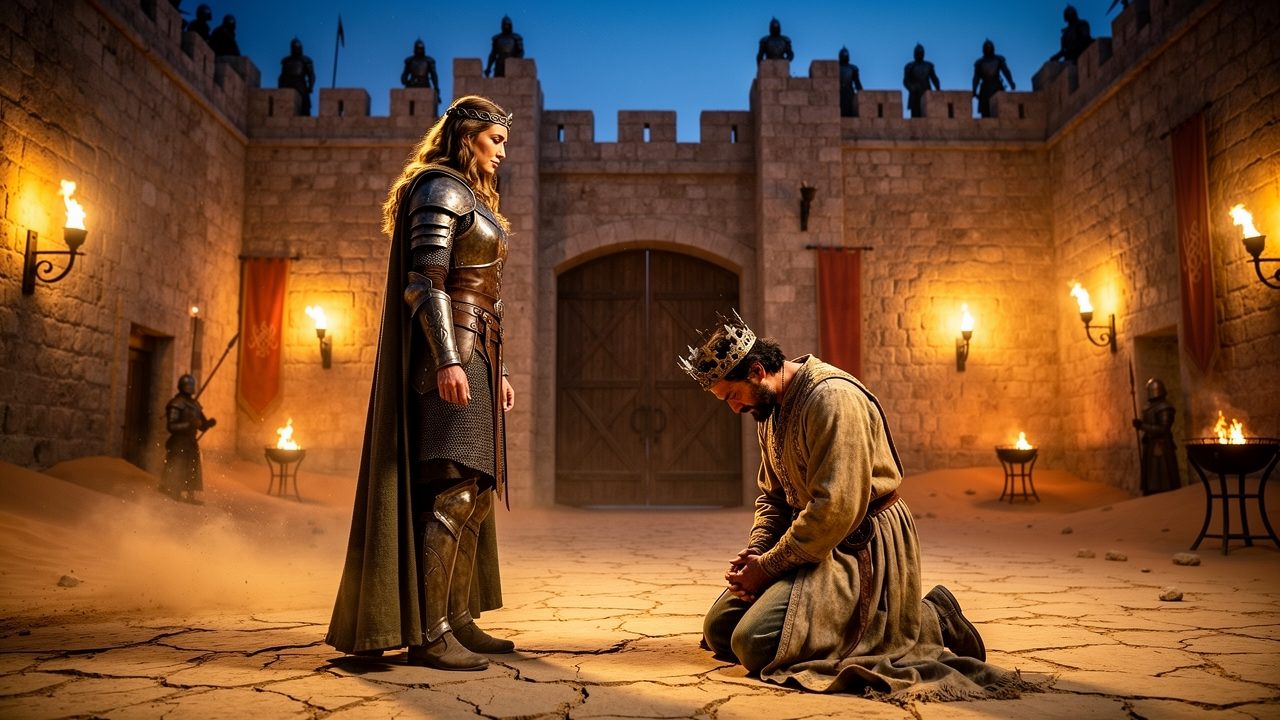
Inside the Pit: Game of Thrones S2E4 “Garden of Bones” episode guide
Game of Thrones S2E4 “Garden of Bones” is one of those early-season episodes that looks like a pressure cooker from the outside and a pivot point from the inside. The captivity, the power plays, and the small acts of cruelty all matter here, but the episode’s real job is bigger: it clarifies who has leverage, who only thinks they have leverage, and how quickly the world of Westeros and Essos rewards ruthlessness.
This Game of Thrones S2E4 “Garden of Bones” episode guide covers the plot, the major character moves, the lore connections, the ending, and why the episode still matters when you’re tracking the series as a whole.
Quick episode overview
At a glance, this episode splits its attention between three pressure points:
- Daenerys in Qarth discovering that hospitality can be a cage.
- Tyrion in King’s Landing learning that power only works if people believe you can use it.
- Arya, the Night’s Watch, and the war in the Riverlands continuing to show how violence reshapes everyone around it.
The title itself is fitting. “Garden of Bones” is a poem of a phrase for a world where beauty, wealth, and courtliness sit on top of death, starvation, and political extraction. The garden is not peaceful. It is merely decorated.
The episode recap: what happens in “Garden of Bones”
Daenerys pushes against Qarth’s walls
Daenerys remains trapped in the politics of Qarth, where she is treated as a curiosity, a liability, and a prize. The city’s ruling class smiles in public and calculates in private. That tension drives her scenes here.
She keeps pressing for allies and ships, but what she receives instead is delay, politeness, and the subtle reminder that a foreign claimant without an army is only as important as the crowd allows her to be. The episode keeps stressing this gap: Daenerys has a legendary bloodline and dragons, but not yet the force she needs to make either one strategically useful.
That tension is the point. She is still in the phase where she must rely on persuasion, reputation, and the promise of future power.
Tyrion turns the court by outplaying Joffrey
In King’s Landing, Tyrion continues to function as the sharpest political mind in the room. He can’t command the court the way a king can, but he understands the court better than the king does. That is a crucial distinction.
The episode gives us another reminder that Joffrey’s authority is real only when no one challenges it. Tyrion challenges it constantly, but he does so with wit instead of open force. That makes him dangerous in a way Joffrey cannot easily punish without revealing weakness.
The small victories matter: Tyrion’s ability to redirect attention, protect his own position, and maneuver around the king’s instincts shows why he becomes such an important counterweight in the capital. He is not restoring justice. He is surviving with style.
Arya learns what mercy costs
Arya’s story remains one of the clearest examples of a child being forced to live inside adult brutality. Her scenes around Harrenhal and the wider conflict reinforce that this war is not just armies and banners. It is confiscation, hunger, torture, and the casual use of violence as administration.
That world has consequences for her. She is learning fast that survival often depends on concealment, timing, and reading danger before it speaks aloud.
The episode continues building the exact version of Arya that will matter later: observant, hardened, suspicious, and willing to memorize names. This is not just character texture. It is the foundation of her arc.
The Riverlands keep bleeding
The broader war story remains grim and muddy. People are burned out of villages, prisoners are valuable, and the line between lawful soldiering and bandit cruelty is nearly gone. That collapse of order is part of the episode’s larger point: the realm is not simply at war. It is becoming unrecognizable.
That matters because the series never treats war as background noise. It is the machine that changes every other story.
The key character moves that define the episode
Daenerys: from claimant to strategist
Daenerys is still not commanding from strength, but she is learning how power really works. In Qarth, charisma alone cannot break a closed political system. She needs leverage, resources, and eventually a willingness to move from appeal to action.
What matters here is not whether she wins immediately. It is that she keeps refusing the role others assign her. That stubbornness becomes her signature.
Tyrion: power through intelligence, not spectacle
Tyrion’s strength in this episode is political precision. He does not need the throne to understand the throne. He sees the hypocrisy around him, and he knows exactly when to let other people expose themselves.
That makes him one of the few characters who can survive inside the Red Keep without surrendering to it.
Joffrey: a king who mistakes fear for control
Joffrey continues to be one of the series’ most revealing tyrants because he confuses cruelty with sovereignty. He believes public humiliation is the same thing as authority. The episode keeps underlining the limits of that thinking.
He can command obedience, but he cannot command respect. The difference will eventually eat away at his power.
Arya: the beginning of a colder, sharper survival instinct
Arya’s choices in this stretch are shaped by immediate danger, but the long-term effect is emotional hardening. She is learning to watch before she acts. In a series full of people who talk too much, that habit becomes a form of power.
Political fallout: why this episode matters in the larger series
“Garden of Bones” matters because it clarifies three of the series’ most important political truths:
-
Claim does not equal power. Daenerys has the bloodline story, but not yet the army or infrastructure to enforce it.
-
Court politics are warfare by another name. Tyrion’s scenes show that the capital is a battlefield of language, reputation, and timing.
-
Civilian suffering is not side material. The war in the Riverlands keeps showing how nobles’ decisions translate into hunger, fear, and collapse for everyone else.
This episode also helps build the season’s overall shape. Season 2 is all about fragmentation. No one is fully in control. Every faction is overextended. Everyone is waiting for someone else to blink. “Garden of Bones” is one of the clearest episodes for showing that all those pressures are linked.
Lore connections and worldbuilding to remember
Qarth as a political dead end
Qarth is important because it looks rich, cosmopolitan, and safe, but it is deeply transactional. The city is a reminder that wealth does not equal loyalty. For Daenerys, that distinction becomes vital as she tries to turn a symbolic claim into a real campaign.
Dragons as future leverage
Even when the dragons are not yet battlefield weapons, they change how people perceive Daenerys. In this episode, they function as future force waiting for the right conditions. The series often uses them this way: less as instant solutions, more as a promise that everything will eventually change.
Harrenhal and the memory of conquest
The Riverlands setting carries a lot of lore weight. Harrenhal is one of the great symbols of the series’ historical violence: an enormous ruin tied to old power, old terror, and the lingering idea that empires leave scars long after their builders are gone.
That makes Arya’s presence there especially grim. She is moving through a landscape built by conquest and still haunted by it.
Standout scenes worth remembering
Daenerys refusing to be politely sidelined
Her scenes in Qarth work because they are all about control disguised as etiquette. The conversations feel civilized, but the threat level is constant. The episode gets a lot of mileage out of that tension.
Tyrion’s verbal dominance in court
Tyrion remains one of the best examples of a character who can win a room without ever looking like he’s trying. The dialogue is sharp, but the real power is in how he turns other people’s arrogance against them.
Arya’s survival instincts taking shape
These scenes are important because they show the formation of a long-term survival persona. Arya is no longer just reacting. She is beginning to learn the system.
The ending: what “Garden of Bones” leaves in motion
By the end of the episode, no one is truly safe, and no major conflict has been resolved. That is exactly the point.
Daenerys remains trapped in a city that admires her in theory but withholds what she needs in practice. Tyrion is still fighting for influence inside a court that would rather pretend he is harmless. Arya’s world is still becoming harsher by the day. The war keeps grinding forward.
The ending does not deliver a neat payoff. Instead, it sharpens the season’s central question: who can actually turn symbolic power into real power?
That’s why this episode sits so well in the larger series. It does not just move the plot. It explains the rules.
Why this episode matters for new viewers
If you are following the series episode by episode, here is what you should carry into the next installment:
- Daenerys is still negotiating from weakness, but she is not passive.
- Tyrion is becoming the smartest active player in King’s Landing.
- Joffrey remains dangerous because he mistakes performance for rule.
- Arya’s survival arc is darkening and becoming more methodical.
- The realm’s civil war is not a noble chess match; it is producing real devastation.
That combination makes “Garden of Bones” more than a midseason chapter. It is an episode where the story’s political and emotional systems become clearer.
Final take
“Garden of Bones” is a strong example of what Game of Thrones does best when it is being patient: it lets the viewer feel the cost of power before the payoff arrives. The episode is about captivity, yes, but also about posture, leverage, and the difference between looking important and being able to act.
For a compendium or rewatch guide, this is the kind of episode you remember because its effects echo forward. The plot moves, but more importantly, the terms of the whole war become easier to read.
If you’re building your own full-series notes, this is one to keep marked. And if you’ve got a favorite scene or a different read on the episode’s politics, share it in the comments—I’d love to hear what stood out to you.