

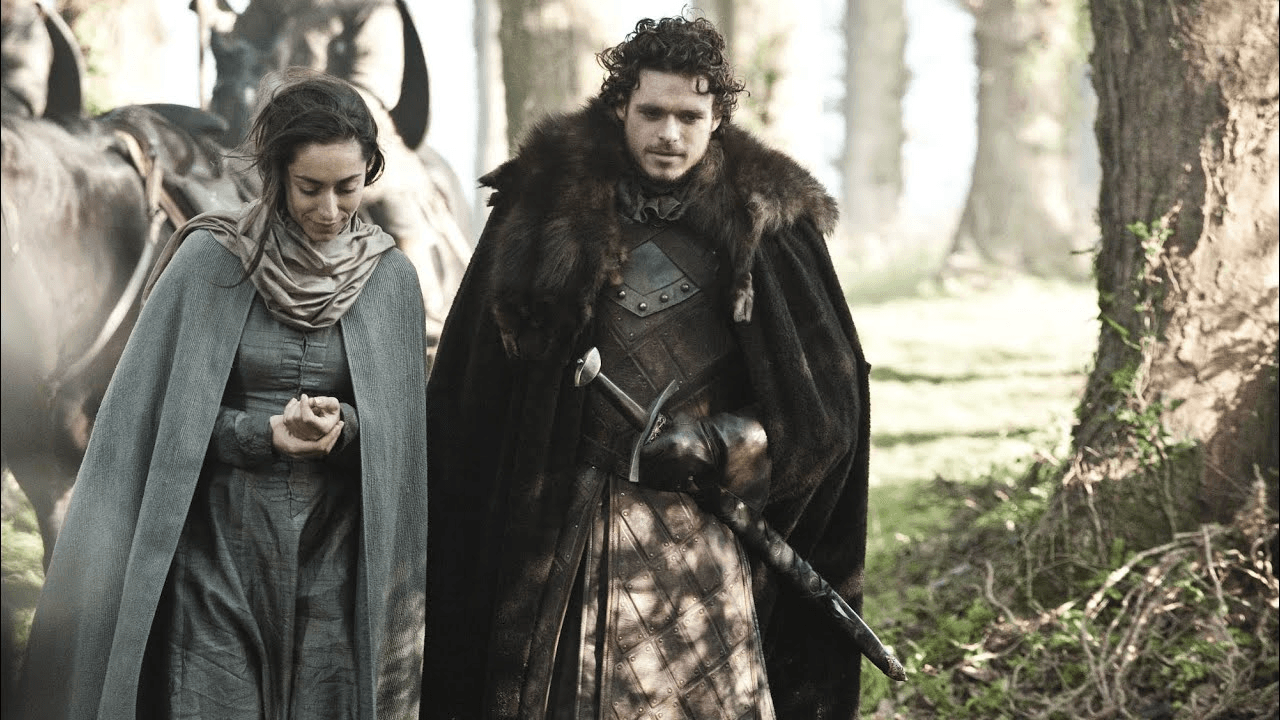
Image credit: Draft web reference from youtube.com
Game of Thrones S2E8 “The Prince of Winterfell” episode guide
Game of Thrones S2E8 “The Prince of Winterfell” episode guide covers one of Season 2’s most important turning-point hours, an episode that looks like a battlefield chapter but really functions as a pressure test for every major player in the North, the capital, and beyond the Wall. The action moves quickly, but the consequences move even faster: a siege plan starts to crumble, loyalties shift, and several characters make choices that will haunt the rest of the series.
What makes this episode so effective is that it does not treat war as a single event. It treats war as confusion, timing, hunger, rumor, and bad assumptions. By the end, no one’s position feels secure.
What happens in the episode
The story spreads across three big fronts: the Northern power struggle, the conflict around King’s Landing, and the separate thread at the Wall and in the far north. Each one shows a different kind of instability.
Winterfell becomes a trap
At Winterfell, Theon Greyjoy continues to dig himself deeper into a leadership role he was never equipped to handle. He is desperate to be feared, desperate to look like a true conqueror, and increasingly isolated from the people around him. That isolation matters. The more he tries to project strength, the less control he actually has.
The episode uses Winterfell almost like a psychological siege. The castle is supposed to be a symbol of ancient power, but it feels brittle. Theon’s hold on it depends on intimidation, and intimidation only works until someone calls the bluff.
Bran and Rickon remain at the mercy of the chaos around them, and the episode keeps reminding us that the cost of political ambition is usually paid by the powerless. Even when they are not central to the loudest scenes, their presence gives the episode its moral weight.
The army outside grows more dangerous
Robb Stark’s campaign is offscreen for stretches, but its shadow is everywhere. The political problem is not just whether one army can defeat another. It is whether anyone can hold a realm together once war has started to fragment trust.
That tension is part of why the episode matters. It is not simply a battle setup. It is a demonstration of how fragile legitimacy becomes when every major house is improvising.
King’s Landing is still a court of knives
Back in the capital, the episode keeps the pressure on the Lannister regime. Tyrion Lannister remains one of the few people willing to see the whole board clearly, but even his intelligence cannot fully compensate for the volatility around him.
The court scenes matter because they show what war looks like off the battlefield. In King’s Landing, the weapons are favors, leverage, and the threat of exposure. The episode sharpens the sense that the realm is being held together by people who do not trust one another at all.
Beyond the Wall, the supernatural threat keeps advancing
The far-north material continues to widen the series’ scope. The show never lets the political plots become the whole story. The larger danger is still coming, and it does not care who holds a title.
That balance is crucial to the episode’s structure: one part civil conflict, one part existential warning.
Key character moves that define the hour
This is the kind of episode where small choices have long consequences. The biggest moves are not always the loudest.
- Theon doubles down on fear as a leadership strategy. He tries to look in control even as the situation slips away.
- Bran’s vulnerability becomes more than a plot detail. It reinforces Winterfell’s collapse from the inside.
- Tyrion continues to act like the only adult in the room. His political instincts remain sharp, but the capital is too unstable for any clean solution.
- Robb’s war is shown as a morale problem as much as a military one. Winning battles does not automatically secure a kingdom.
- The Wall storyline reminds viewers that the series’ biggest conflict is larger than the Iron Throne.
Each of these turns points in the same direction: control is an illusion unless the people underneath it believe in it.
The battle logic and why the episode feels so tense
A good episode guide for Game of Thrones S2E8 “The Prince of Winterfell” has to make one thing clear: the tension does not come only from swords or siege engines. It comes from uncertainty.
The episode keeps shifting between:
- false confidence and real vulnerability
- public authority and private panic
- military strategy and personal grievance
- northern tradition and rising chaos
That rhythm is what makes the hour memorable. You can feel the show tightening the screws. The viewer understands that a mistake made now will echo for seasons.
The episode also works because it understands geography as drama. Winterfell feels cold, open, and exposed. King’s Landing feels crowded but unstable. The Wall feels isolated, ancient, and cold in a different way. Those environments are doing thematic work, not just visual work.
Political fallout: what changes after this episode
The biggest political effect of the episode is that the Northern storyline becomes harder to reverse. Once a stronghold like Winterfell is compromised, the damage is not only physical. It is symbolic. Houses are built on memory as much as stone, and the series is always attentive to that fact.
In the capital, the episode also continues the long erosion of clean authority. Every major house is exposed to betrayal, opportunism, or strategic compromise. Nobody is simply governing anymore. They are surviving.
That survival instinct matters because it shapes later decisions across the season and beyond. The episode plants the idea that leadership under pressure can become indistinguishable from desperation.
Lore connections and series-building details
For readers building a full Game of Thrones compendium, this episode offers several useful lore touchpoints.
Winterfell as a symbol
Winterfell is not just a castle; it is a historical anchor for the North. When the seat of the Starks is threatened, the series is not just moving a chess piece. It is destabilizing an old order.
The North as a political identity
The episode reinforces the difference between Northern loyalty and Southern court politics. In the North, authority is tied to memory, blood, and oath. In the South, it is often tied to proximity to power.
The realm is still divided by competing ideas of legitimacy
One of the most important lore themes in the episode is that different characters think power should come from different places: conquest, inheritance, fear, duty, divine right, or survival. The series never allows one definition to fully settle.
The supernatural story remains separate but unavoidable
Even when the episode focuses on war and politics, the larger fantasy framework keeps pressing in from the margins. That is one reason the season works so well: the series refuses to let any one conflict explain everything.
Standout scenes that carry the episode
A few moments stand out because they crystallize the episode’s larger concerns.
Theon’s performance of command
Theon is at his most revealing when he is trying hardest to appear decisive. The scene language around him makes clear that insecurity can look a lot like cruelty.
Winterfell under strain
The castle scenes do strong atmospheric work. The cold, the stone, and the silence all make the place feel like it is waiting for a collapse.
The courtroom energy in King’s Landing
The capital scenes are not about action in the usual sense. They are about pressure. Small exchanges carry enormous stakes because everyone is measuring everyone else.
The ending and what viewers should remember
The ending of Game of Thrones S2E8 “The Prince of Winterfell” episode guide territory is all about momentum. The episode does not close with comfort; it closes with the sense that the next move will be worse, or at least harder to control.
That is the key takeaway for new viewers:
- Winterfell is no longer stable.
- The North’s internal conflict is now driving major fallout.
- King’s Landing remains politically poisonous.
- The broader threat beyond the Wall still matters, even when it is not the loudest storyline.
If you are following the series in order, this is the kind of episode that rewards attention to consequences more than spectacle. It is a hinge point. The story after it feels different because the balance of power is already changing.
Why it matters to the larger series
This episode matters because it shows how Game of Thrones builds tragedy out of systems, not just villains. Nobody in “The Prince of Winterfell” is protected by rank alone. The strong are compromised, the proud are reckless, and the vulnerable are used as leverage.
That is the show’s long-game thesis in miniature.
The episode also deepens one of the series’ most durable ideas: the true cost of war is not just death. It is the erosion of trust. Once trust is gone, every castle becomes a liability and every alliance becomes a question.
For a compendium reader, this makes the episode essential. It helps explain why later turns feel inevitable even when they are shocking. The groundwork is here.
Final takeaway
Game of Thrones S2E8 “The Prince of Winterfell” is a pressure-cooker episode that turns military conflict, political theater, and Northern identity into one tightly wound hour. It is not just an installment in the season; it is one of the moments where the series clarifies what kind of story it wants to be: brutal, strategic, and always one step away from collapse.
If you’re tracking the series episode by episode, this is one to keep close. It reshapes the North, sharpens the court politics, and keeps the larger mythic threat alive in the background.
What did you think of this episode’s turning points? Share your take in the comments — especially your favorite scene or the moment that best captures how far the story has come.