

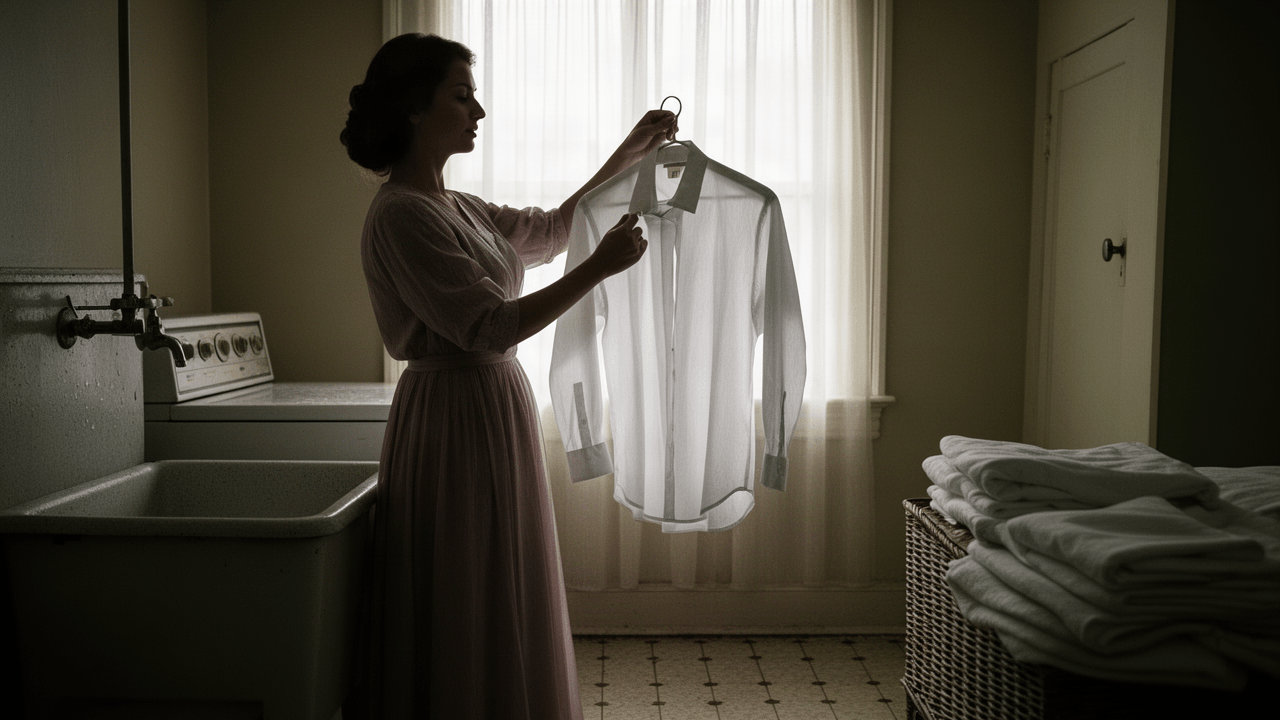
The stain was never just a stain
In retro laundry detergent ads, a dark collar, a grass mark, or a muddy cuff was rarely treated as a minor household annoyance. It was a problem with social meaning. The ads made a simple claim feel loaded: if you could remove the stain, you were not just washing clothes well—you were proving that you cared, that you were capable, and that your home was being managed properly.
That is what makes these campaigns so revealing. They did not merely sell soap, powder, or flakes. They sold a standard of domestic competence. Clean laundry became evidence of attention, discipline, and moral seriousness.
Why laundry advertising carried so much emotional weight
Wash day sat at the center of domestic labor. It was repetitive, physically demanding, and easy to judge from the outside. Clean clothes could be admired. Dingy ones could be noticed immediately. Advertisers understood that visibility and built entire campaigns around it.
The logic was simple but effective:
- stains were visible proof of effort required
- whiteness suggested control, order, and freshness
- failure was easy to dramatize and easy to shame
- success could be shown in a single before-and-after image
That combination made detergent advertising unusually persuasive. Unlike some products that sold vague feelings, detergent ads could stage a concrete test. The shirt was dirty. Then it was clean. The transformation looked measurable, and that measurability gave the promise of the product real force.
The visual grammar of wash-day persuasion
The strongest retro laundry detergent ads relied on a familiar set of images. A dingy garment appeared on one side of the frame. A bright, pristine garment appeared on the other. Between them stood the detergent, often positioned as the quiet miracle that made the difference.
This before-and-after structure did more than show product performance. It trained viewers to read cleanliness as visible proof of method. The ad did not need to explain the chemistry in depth. It needed to make the transformation look obvious.
White clothes as a moral shorthand
White fabric carried special symbolic weight. It suggested purity, freshness, and care so complete that even the smallest blemish looked like negligence. The cleaner the white, the stronger the impression that the home was under control.
That is why so many detergent campaigns pushed sparkling whites rather than simply “clean enough” laundry. The ads were not satisfied with removal of dirt. They implied a higher standard: clothes should look renewed, almost perfected.
Bright light, tidy settings, and the calm face of competence
The scenes around the laundry often mattered as much as the product itself. Sunlight poured through spotless windows. Aprons were crisp. Sinks gleamed. The laundry room looked organized enough to reassure the viewer that this household had its act together.
The mood was important. Advertisers did not want wash day to look chaotic. They wanted it to look controlled, efficient, and emotionally resolved.
The mother as decision-maker, judge, and manager
A recurring feature of these ads was the placement of women, especially mothers, at the center of the decision. She was not just the person doing the washing. She was the evaluator, the one who chose the product, read the claims, and took responsibility for the household outcome.
This mattered because the ads gave domestic labor a managerial frame. Laundry was not portrayed as endless drudgery, even when the scenes suggested hard work. Instead, it became a series of smart choices. The right detergent signaled that the woman had knowledge, taste, and discipline.
In other words, the ads turned a routine chore into a competence test.
That test often carried an emotional charge:
- a mother wanted to protect her family’s appearance
- she wanted to avoid embarrassment
- she wanted to be seen as thorough and modern
- she wanted reassurance that she had chosen the best method
The detergent was the tool, but the real pitch was identity.
Cleanliness as care, not just hygiene
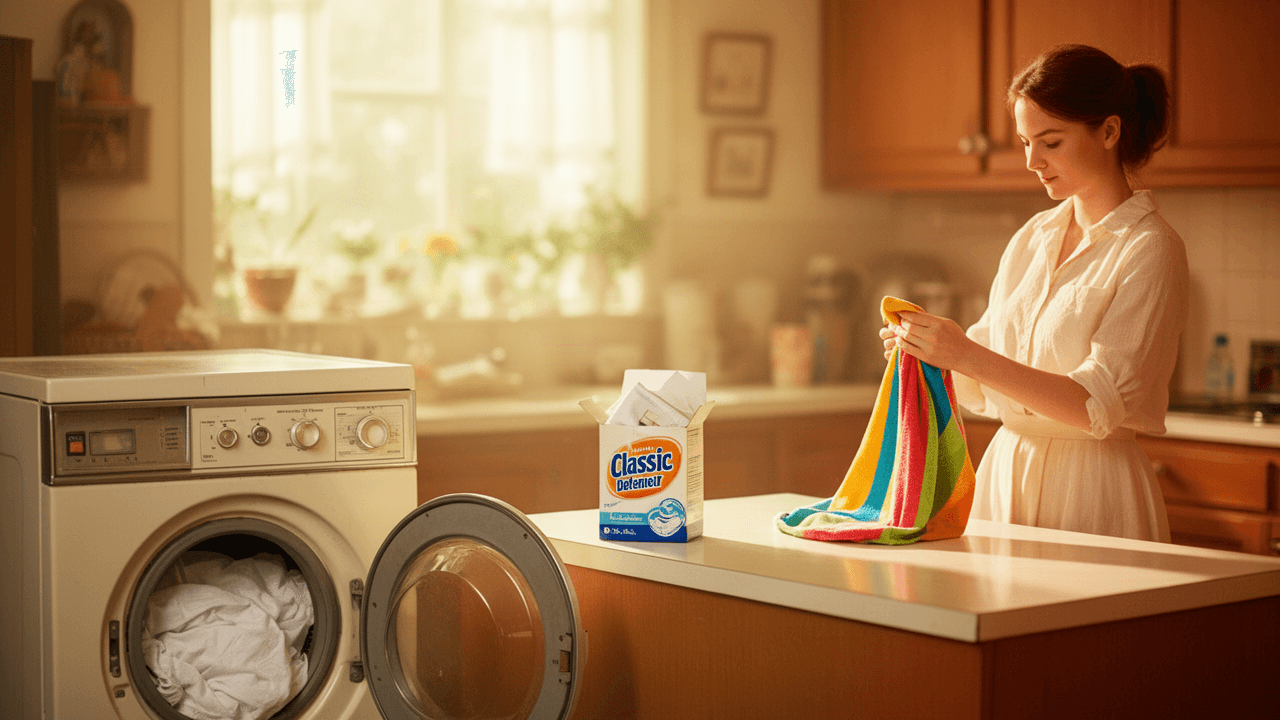
One reason retro laundry detergent ads endure as cultural artifacts is that they reveal how thoroughly cleaning was linked to love. The ads suggested that caring for clothes meant caring for people. A child’s shirt, a husband’s collar, or a guest towel all became proxies for domestic devotion.
This is where the moral language gets especially interesting. Dirt was not framed as neutral. It implied neglect, inconvenience, or even social embarrassment. Clean laundry, by contrast, suggested that someone had paid attention.
That framing made the product feel responsible in a deeply social sense. Buying the right detergent was not presented as vanity. It was framed as good stewardship.
The efficiency promise: less effort, better results
There was also a practical contradiction at the heart of these ads. Wash day was labor-intensive, but the advertising promise was often effortless transformation. The product would save time, reduce scrubbing, and produce better results with less strain.
That efficiency pitch did two things at once. It acknowledged the reality of labor while trying to soften it. And it made the consumer feel smart for being able to achieve more with less.
This is why slogans and demonstrations often emphasized:
- speed
- no-rub cleaning
- deeper penetration into fabric
- fewer rewashes
- brighter results in one wash
The message was not simply that detergent worked. It was that the right choice made the whole domestic system run better.
The hidden social hierarchy inside “good housekeeping”
These campaigns did not just celebrate cleaning. They established a hierarchy of competence. There were homes that looked managed and homes that did not. There were women who knew the right detergent and women who might still be doing unnecessary extra work.
That hierarchy gave the ads a sharp edge. They could flatter the buyer while also warning her. If your clothes were dull, if your whites were gray, if your family’s shirts looked worn too quickly, the problem could be presented as a failure of method rather than a challenge of time or resources.
That is part of what makes the genre so revealing. The ads often converted structural labor into individual responsibility. The burden was private, but the judgment was public.
Before-and-after as drama
The classic detergent ad rarely trusted understatement. It staged a reveal. A garment that looked hopelessly soiled came back transformed, as if the product had performed a small domestic resurrection.
That theatricality mattered because wash-day labor is usually invisible once it is done. The ads needed a way to make invisible work legible. So they borrowed the language of spectacle: dramatic contrasts, gleaming results, and the satisfaction of a job unmistakably finished.
This is where the genre becomes almost cinematic. The viewer is asked to watch not just a cleaning process, but a verdict.
What these ads say about domestic life
Taken together, retro laundry detergent ads tell a larger story about the midcentury home. They show how advertisers linked household products to social order. They suggest that cleanliness was never only about dirt; it was about how a home looked, how a family appeared, and how well the person in charge was thought to be doing.
The ads also reveal how much domestic labor was expected to communicate something beyond utility. The laundry had to represent care. The whites had to represent standards. The chore had to stand in for a larger idea of home success.
That is a powerful advertising formula because it turns a routine purchase into a vote for self-respect. The detergent is in the box, but the real product is reassurance.
Why the formula still feels familiar
Even now, detergent marketing often borrows pieces of this old logic. Clean is still shown as bright, calm, and morally satisfying. Stain removal is still framed as proof that the household is under control. And the person doing the shopping is still invited to see the purchase as a smart, caring decision.
The old ads may look quaint at first glance, but their structure remains surprisingly durable. They understood something enduring about domestic persuasion: people do not just want a cleaner shirt. They want the feeling that the shirt says something good about the life around it.
Retro detergent advertising made that feeling visible. It turned laundry into a test, and then sold the answer.
If you’ve got a favorite detergent ad, a memorable slogan, or just a strong opinion about how these campaigns sold household perfection, share it in the comments.