
Image credit: Draft web reference from appellcenter.org
The Ritual of Saturday Morning Cartoons and the Promise of TV Before Streaming
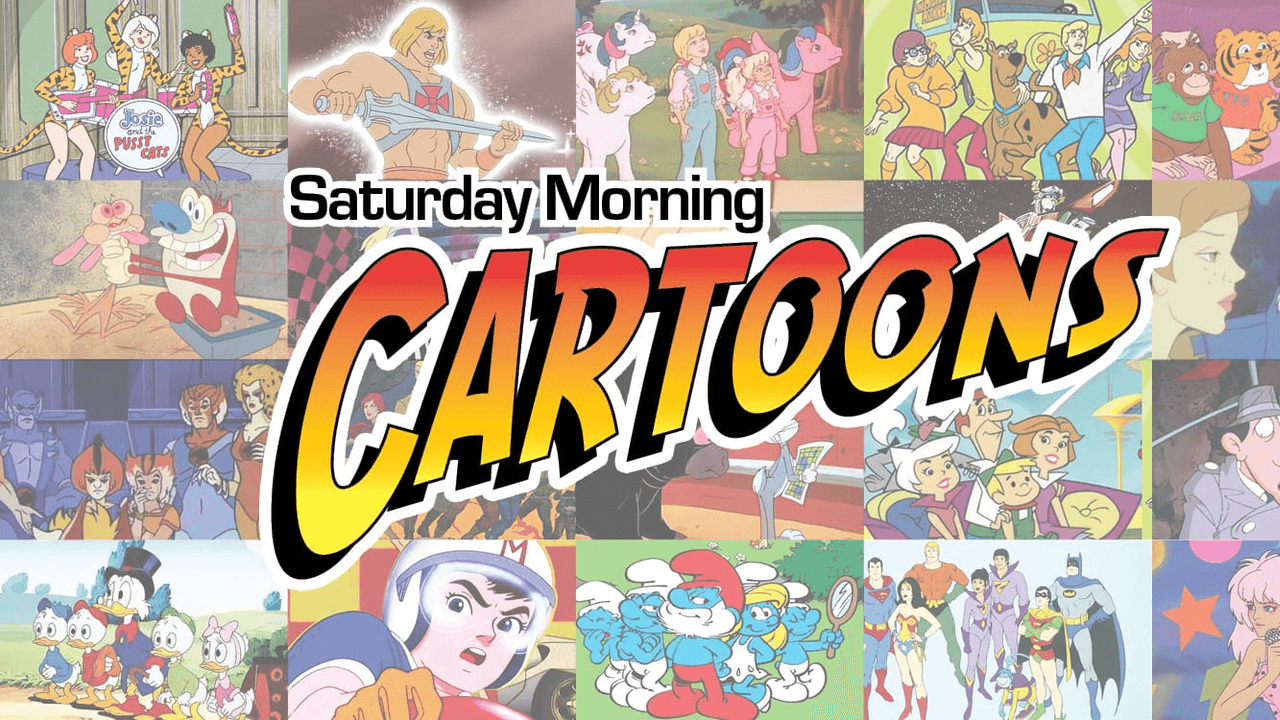
Before streaming flattened television into a buffet of instant choices, Saturday morning cartoons taught kids that TV could have a mood, a schedule, and a payoff. You didn’t just watch them. You waited for them, planned your morning around them, and sat through a strange mix of sugar-bright spectacle and commercial interruption that somehow felt essential.
That was the magic. Saturday mornings weren’t merely a slot on the schedule; they were a weekly ceremony. The house felt different. The clock mattered. The cereal tasted better because the screen was on. And for a few hours, television wasn’t background noise or an endless scroll of options. It was an event.
Saturday morning cartoons as a weekly ritual
The block worked because it had shape. Weekdays belonged to school, chores, and whatever adults were watching. But Saturday morning cartoons carved out a kid-sized world with its own rules: wake up early, turn on the TV, and stay put.
That routine did more than entertain. It trained attention.
Kids learned:
- to arrive on time, or miss something
- to sit through slow bumps between shows
- to accept that the day had a built-in rhythm
- to treat television as a shared appointment, not an endless menu
In a streaming world, the default assumption is abundance. If you miss something, it is still there. In the old broadcast model, scarcity created feeling. The block had a beginning, a middle, and an end. That structure made it memorable.
And because the schedule was fixed, anticipation became part of the pleasure. The gap between Saturdays gave the cartoons a kind of halo. They felt more special because they weren’t always available.
How pacing taught kids to expect television as a spectacle
The best Saturday morning animation wasn’t designed to be subtle. It was loud, fast, comic, and visually crowded. Characters exploded across the frame. Colors popped hard. Sound effects hit like punctuation. Even when the storytelling was simple, the presentation was maximal.
That visual excess mattered.
It taught kids that television could be bigger than a story. It could be a feeling machine.
The block’s pacing encouraged short attention bursts and immediate gratification. Episodes moved quickly. Jokes landed fast. Visual gags piled on top of each other. If a scene lingered too long, the energy sagged. The format rewarded motion, clarity, and repetition—exactly the qualities that made the hour feel alive.
This is one reason the memory of Saturday morning cartoons remains so sticky. They didn’t just tell stories; they established a grammar for what kid TV was supposed to do:
- open with a burst of motion
- keep every frame busy
- make every transition feel playful
- treat silence like a rare event
That sensory overload was part of the appeal. Television was allowed to be cartoonish in the fullest sense of the word: exaggerated, performative, and impossible to ignore.
The ad break was part of the experience
It would be dishonest to talk about Saturday morning cartoons as pure childhood art. They lived inside a commercial system, and the commercials were not an afterthought. They were baked into the experience.
The block taught kids something very specific about television: the show and the ad were neighbors, not opposites. That relationship shaped how the whole morning felt.
Commercials often mirrored the cartoons’ energy. Toys, breakfast cereal, sugary snacks, action figures, and games all arrived with the same sort of bright, urgent delivery. The line between entertainment and persuasion could be thin enough to disappear.
That mattered culturally. Saturday morning TV trained viewers to read television as a place where fantasy, branding, and desire met in the same frame. A cartoon could sell a mood. An ad could look like a tiny cartoon of its own. The whole block became a lesson in visual seduction.
If you think about it, that’s part of why the era lingers in memory. The ads did not simply interrupt the cartoons; they reinforced the atmosphere. They told kids that the morning was a marketplace of imagination.
Why the block felt bigger than the episodes inside it
A single cartoon episode might have been forgettable on its own. The block was what turned it into a childhood landmark.
The packaging mattered:
- opening themes created recognition and anticipation
- bumpers stitched the hours together
- recurring schedules turned the block into a ritual
- multiple shows in succession made the morning feel expansive
Television today is often optimized for frictionless access. Back then, friction was part of the appeal. You had to wait for the next show. You had to tolerate the wrong commercial. You had to stay present long enough for the experience to unfold.
That created a sense of scale. The morning felt larger than the sum of its segments.
For kids, the block could feel like a miniature festival: bright, noisy, temporary, and over too soon. The end of it mattered too. When the cartoons signed off and the morning drifted into the rest of the day, you felt the shift. The event had passed.
Saturday morning cartoons and the shape of childhood time
One reason this format left such a deep mark is that it organized time in a way children could feel in their bodies.
Adults remember schedules as convenience. Kids remember them as seasons. Saturday morning cartoons were a weekly season that repeated just enough to become familiar, but not so often that they lost their magic.
They also did something subtle to the meaning of waking up early. Early rising stopped being a punishment and became a strategy. There was a reward waiting.
That reward created a distinct emotional texture:
- anticipation on Friday night
- urgency on Saturday morning
- immersion during the block
- disappointment when it ended
- memory that lasted until the next week
That emotional arc is part of why the format survives as nostalgia. It wasn’t just what was on TV. It was the shape of wanting.
Streaming has changed the terms of that desire. Instant access removes the wait, but it also removes the ritual. You can still love animation deeply, but you are less likely to associate it with the same sense of arrival.
The shared memory of a mostly private experience
Watching TV is often solitary, but Saturday morning cartoons became a shared cultural memory because so many kids experienced them in the same narrow window.
That synchronicity mattered. It gave children something to talk about on Monday. It made references portable. It created the feeling that millions of households were doing the same thing at roughly the same time.
This was one of television’s oldest superpowers: not just broadcasting content, but broadcasting a shared moment.
The result was a kind of pop culture commons. You might have watched in your own living room, but you felt connected to a larger audience. The next day at school, the cartoons became social currency. A funny character, a strange villain, a memorable theme song—these were not merely details. They were evidence that you belonged to the same temporary world as everyone else.
That’s a feeling streaming rarely reproduces on its own. The platform may be personal, but the ritual is fragmented. Saturday morning cartoons were communal by design, even when you experienced them alone.
What streaming lost when it won
Streaming undeniably offers convenience, variety, and control. But it also changed the emotional contract of television.
When everything is available at once, TV becomes less about arrival and more about selection. That sounds like progress, and in many ways it is. But selection is not the same thing as ritual.
Saturday morning cartoons depended on limits:
- limited airtime
- limited choices
- limited patience
- limited access
Those limits created concentration. They gave the block gravity.
Streaming gave viewers freedom. Saturday morning cartoons gave viewers a feeling. Not every feeling was comfortable—advertising was relentless, and the programming could be bluntly formulaic—but the experience had a force that is hard to recreate when every title sits one click away.
The old block taught a generation that television could be an appointment, a mood, a toy chest, and a social signal all at once. That is a bigger idea than simple nostalgia.
Why the memory still feels bright
People still talk about Saturday morning cartoons because they represented a version of TV that felt physically tied to the day. You can remember the light in the room, the cereal bowl, the carpet, the volume of the set, the sense that the world was smaller and more legible for a few hours.
That memory survives because it is about more than animation. It is about media as a ritual of attention.
Before streaming, television could still feel like an occasion. Saturday mornings made that lesson easy for kids to understand. The block was fast, flashy, and commercial to the core, but it also gave children something rarer: a recurring promise that made the week feel different.
And maybe that is the real legacy. Not just the cartoons themselves, but the feeling that television could gather everyone into a moment before the moment moved on.
If you grew up with the block, what do you remember most—theme songs, commercials, breakfast, or the feeling of waiting all week? Share your favorite memories and opinions in the comments.