
Some retro game artifacts age into trivia. Others age into mythology. The Nintendo Power treatment of Final Fantasy I sits in the second category, and the map spreads are the best proof. Even now, they do more than show where to walk—they sell a feeling. They tell you this world is dangerous, mysterious, and worth learning one region at a time.
What makes these pages work is visual hierarchy. Your eye lands on the fantasy art first, then routes to map geometry, then to practical labels. Modern strategy content often flips that order and feels sterile as a result. Here, style and function cooperate. You get orientation, but you also get mood. That combination is exactly why these pages still feel collectible instead of disposable.
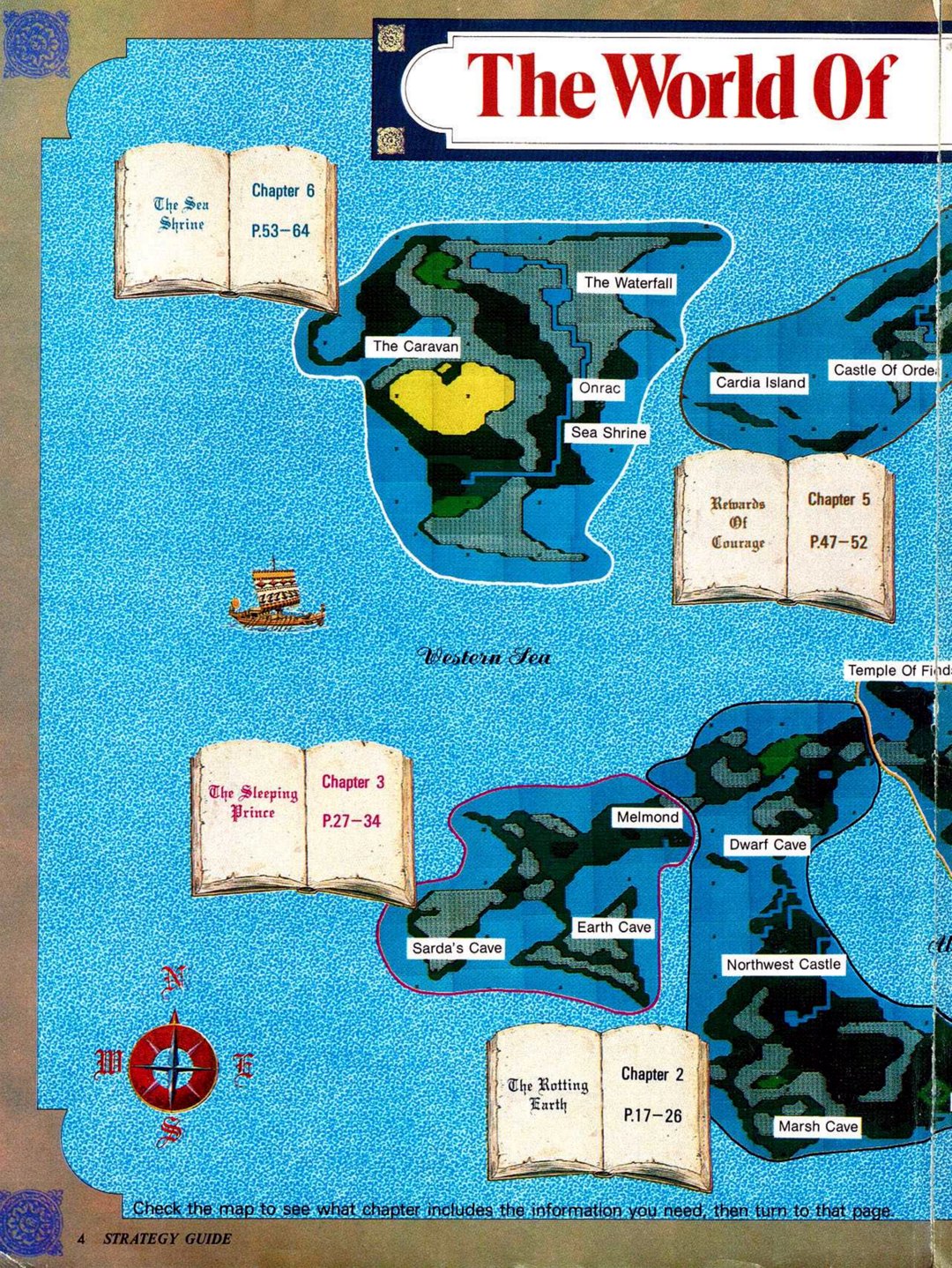
There is also a pacing advantage. In older RPGs, map mastery was progression. You did not have objective markers, minimap breadcrumbs, or auto-pathing. A good map taught confidence: where to test your current power, where to retreat, and where to push next. When Nintendo Power presented these environments with dramatic framing, it turned route planning into part of the adventure fantasy.
And then there is the nostalgia layer. For many players, these pages were not just references—they were weekend ritual material. You studied them before loading your save. You compared notes with friends. You mentally plotted your next grind loop. That tactile planning culture is one reason classic RPG communities felt so invested in world knowledge.
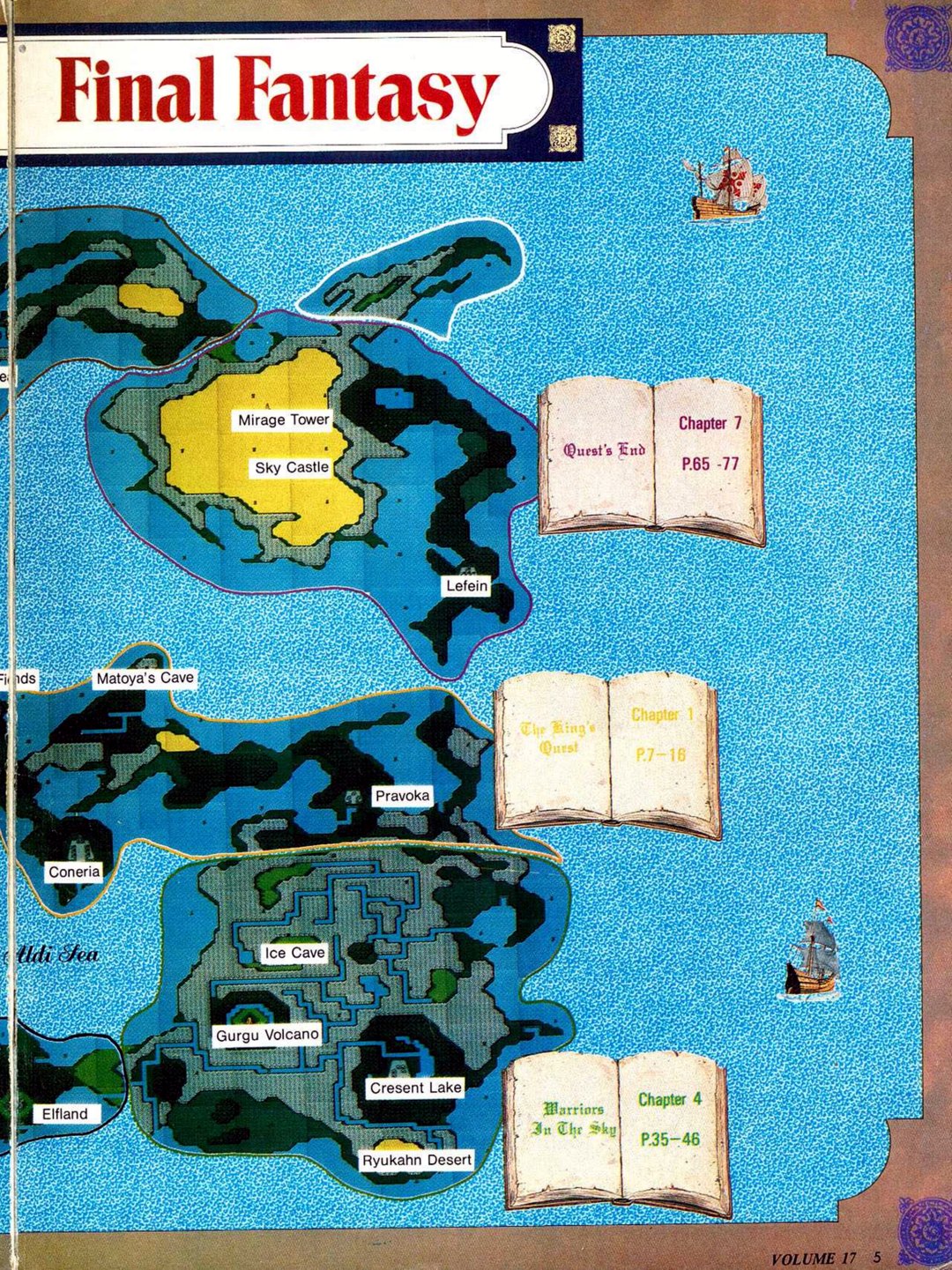
If you revisit FF1 today, these map layouts still hold up as practical tools and visual storytelling. They remind us that guides can be more than instruction manuals. At their best, they are extensions of the game’s imagination. Nintendo Power got that right, and this spread remains one of the cleanest examples.
A practical way to use these maps today is to run a two-pass session. Pass one is orientation: identify next objective and safest return vector. Pass two is execution: commit to your route and ignore low-value distractions until you complete the checkpoint. This simple habit dramatically cuts the stop-start feel many players remember from early FF1 runs. It also makes each session feel intentional, even when you only have thirty minutes to play.
For content creators, this spread is also a lesson in evergreen utility. A map page that is visually inviting and tactically useful can survive decades. That is exactly what happened here, and it is why these scans are still worth studying, not just collecting.