
One reason retro guides remain readable is that they respected attention. Nintendo Power’s Final Fantasy pages were not just information dumps—they were visual communication systems. Layout, illustration, and callout structure were built to help players think faster, not just consume more words.
Look at the page architecture: strong top anchors, clear focal images, and clustered data in predictable zones. This gave readers an immediate scan path. You could find what you needed in seconds, then return to playing. Compare that to many modern guides that bury useful details under ad clutter and endless scroll. The older format often feels cleaner because it assumes your time matters.
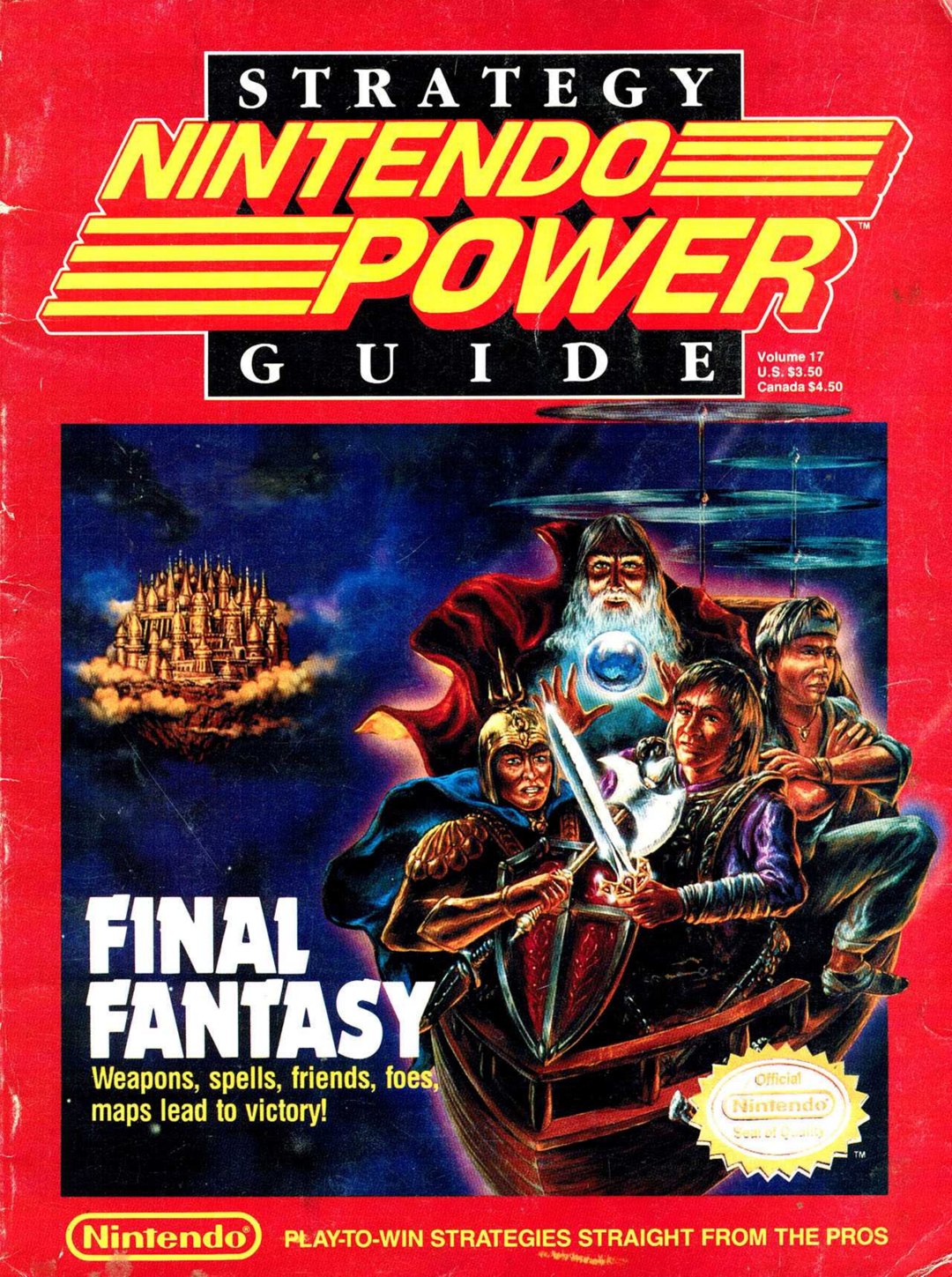
The second advantage is tone consistency. Typography, framing, and illustration style all reinforce the same fantasy promise. You are not reading a spreadsheet about stats—you are preparing for an epic quest. That emotional continuity matters. It keeps practical information sticky because it is wrapped in a coherent aesthetic language.
There is also a trust factor. When visuals and instructions line up, players believe the guide. Early JRPG publications understood that credibility is partly visual. If map symbols are legible, screenshots are relevant, and sidebars are concise, the reader assumes the underlying advice is reliable too.

For creators building retro content today, this is the key takeaway: do not separate clarity from atmosphere. The best guide content does both. Nintendo Power achieved that balance with surprising consistency, and that is why these pages still feel modern in all the ways that count.
There is a production lesson here for every retro publisher: presentation quality is part of the promise. If your article says “definitive,” the layout must feel definitive too. Clear sectioning, image scale discipline, and intentional callouts create trust before a single tactic is read. That trust increases completion rate, return visits, and social sharing because readers feel taken care of.
In other words, old-school guide design was not just aesthetic nostalgia. It was conversion-focused communication before we called it that. Nintendo Power understood the assignment long before modern SEO playbooks existed.
That is the standard going forward: strong context, clear utility, and visual support that improves reading instead of interrupting it.


