
Some guides age into dust. This one still feels like a game client in paper form. The Lego Universe Official Game Guide has that rare quality where flipping pages feels like entering a world, not just reading instructions. Even in 2026, it captures a specific MMO energy: big zones, faction identity, gear progression, and a social rhythm built around curiosity and chaos.
What stood out this run is how much personality the guide keeps in its layout. The pages are practical, sure, but they are not sterile. You get maps with real traversal intent, item catalogs that actually help planning, and visual beats that remind you this game was built to be playful. That balance matters. A lot of modern game content is either all utility or all hype. This guide lands in the middle, where the best retro writing lives.
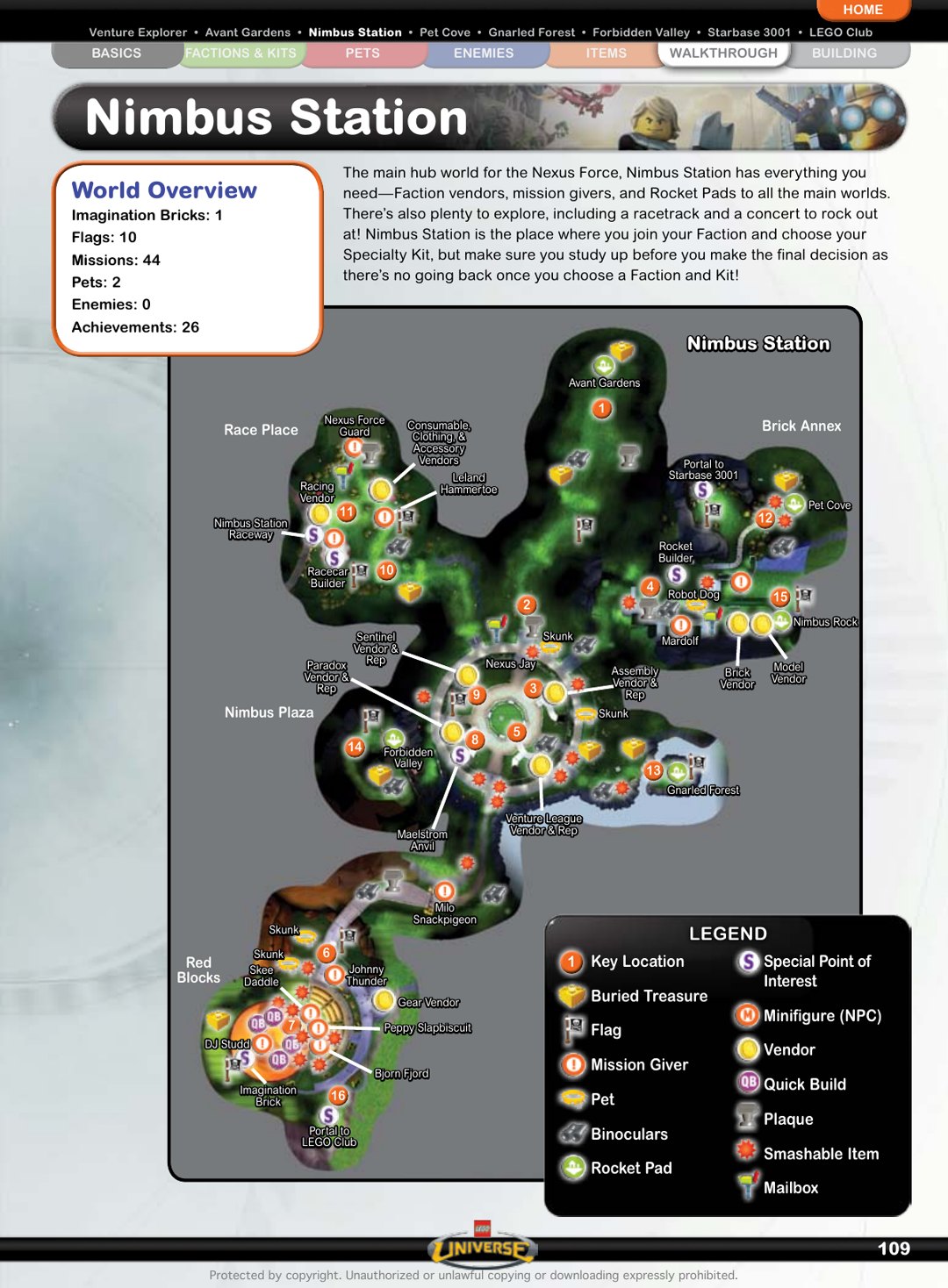
It also does something many modern guides forget: it respects the reader’s pace. The information is layered. You can skim for route confidence, then dive deeper when you are optimizing progression. That makes it useful both for first-time nostalgia tourists and for returning players who want to min-max without killing the magic. If your goal is “help me progress, but keep the vibe,” this format still delivers.
And let’s be honest — part of the charm is emotional. Lego Universe existed in a specific era of online worlds where social discovery still felt accidental and weird. You didn’t just complete checklists; you wandered into things. A guide that preserves that tone while still giving you clean wayfinding has way more value than people think.
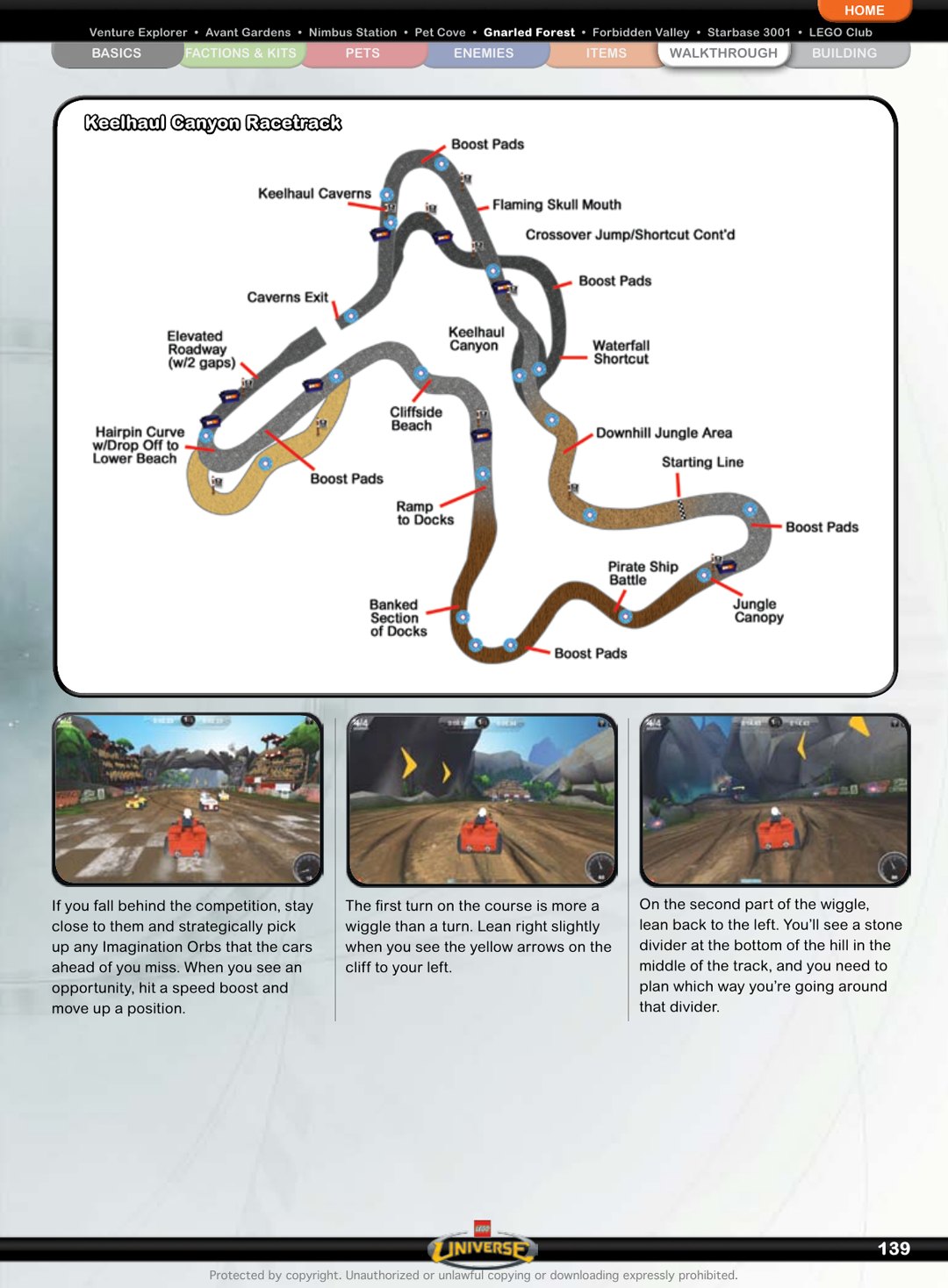
If we treat retro guides as design artifacts instead of dusty scans, this one is a strong case study. It shows how to build trust, preserve personality, and keep players moving. That’s exactly the blend a nostalgia site should chase.
One more reason this guide holds up: it leaves room for player expression. It does not over-script every encounter. Instead, it gives enough structure to prevent frustration while preserving experimentation. That is a huge reason the tone still feels human. You can follow the route without feeling railroaded, and you can improvise without feeling lost.
For Tavern Cellar, this is the lane: curated nostalgia with playable utility. Not sterile recaps, not content-farm listicles — practical pieces with personality. The more we keep that balance, the more your archive will feel like a place people trust and revisit.
And because this document spans many systems, we can keep mining it for focused deep-dives later: faction progression, mission pacing, and map logic as separate pieces instead of forcing everything into one mega-post.