
You’re right to hate text-heavy guide pages — unless they’re converted into decisions. Most people tap out because they read linearly. Better move: read tactically. Pull the route signal, ignore the fluff, and only dive deep when a section solves an immediate blocker.
Start each dense page with a 20-second scan. Find visual anchors first: map, item table, mission callout, or UI sequence. Then ask one question: “What does this change in my next play session?” If the answer is vague, skip ahead. If the answer is specific (“take this route,” “target this drop,” “avoid this dead-end”), mark it and move.
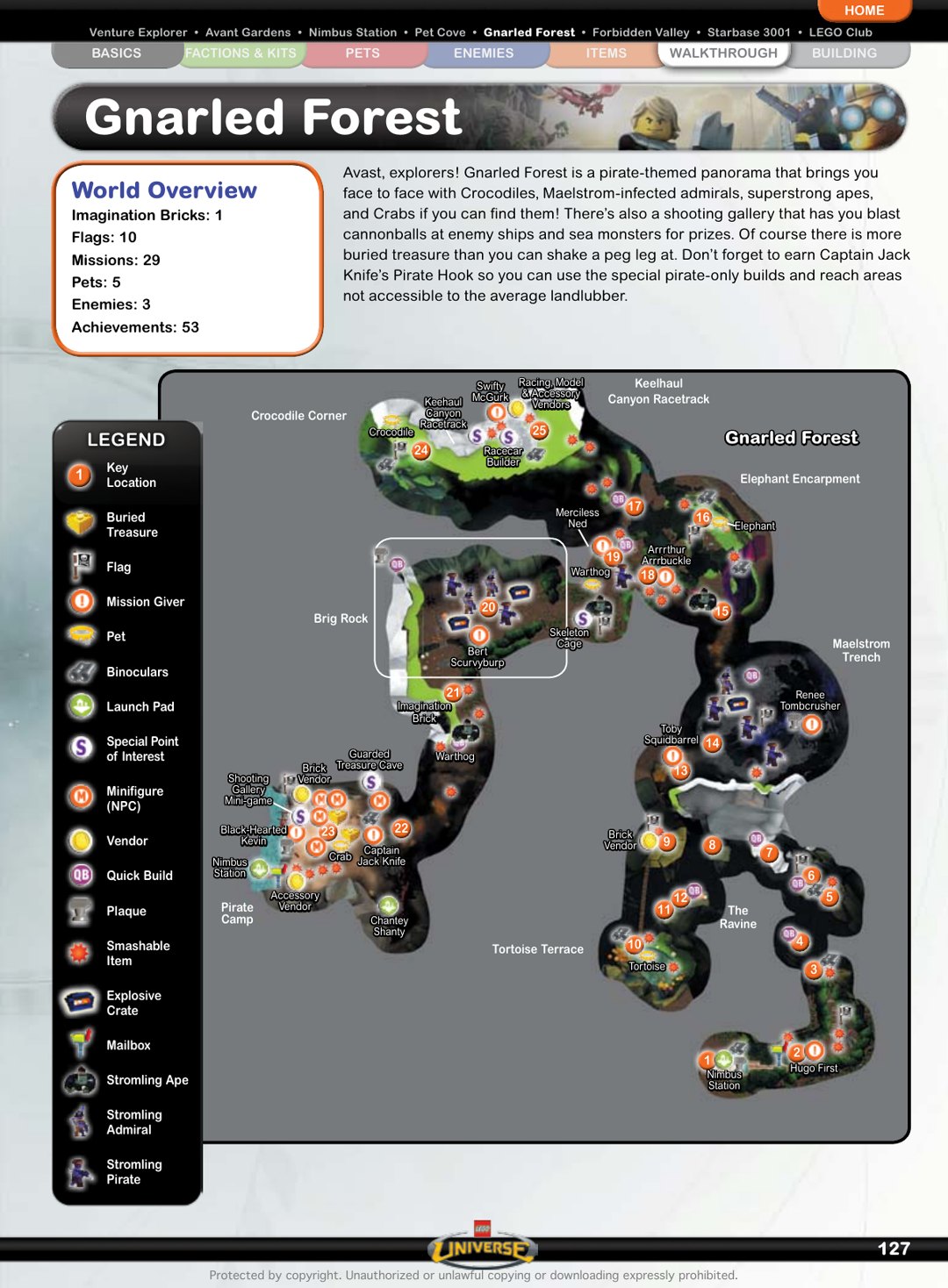
This method works especially well for Lego Universe because the guide often mixes useful tactical information with flavor copy and lore framing. The flavor is nice, but tactical priority should win when you are actively playing. You can always come back for worldbuilding once your progression path is stable.
For creators, this is also a content lesson. Readers don’t need less information — they need better sequencing. Lead with what changes outcomes now, then layer optional context. That structure feels human, respectful, and genuinely helpful.
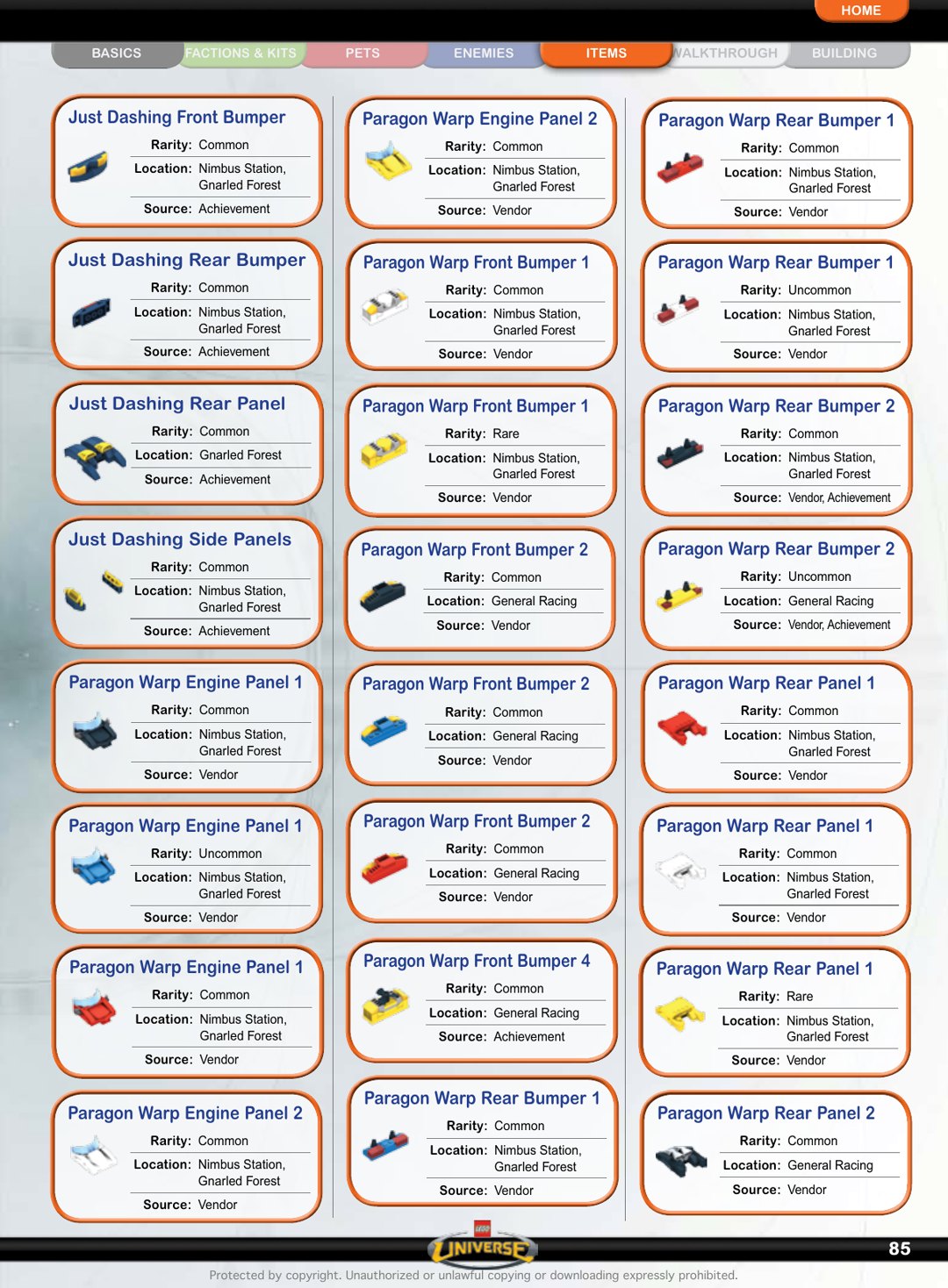
If you apply this read pattern, even the dense sections become assets. You stop feeling buried and start feeling guided. That’s the difference between a frustrating archive and a useful retro companion.
A good test is this: after reading a section, can you name your next three in-game actions without reopening the page? If not, the section is too abstract. That is why map-led and item-led anchors matter — they translate text into immediate behavior. We should keep designing every article around that conversion point.
This also helps tone. When the writing is tied to real decisions, it sounds less robotic and more like a veteran player giving grounded advice. That is the voice we want to keep sharpening.
So even if a source page is dense, the output can still feel light, practical, and human — as long as we structure it around outcomes, not raw information volume.
That is the exact standard for this series: useful, visual-first, and grounded in real play decisions.
 Instagram
 TikTok
 YouTube
 Facebook
 X
X Mastodon
 Bluesky