

FreeFlow looks flashy, but the best Arkham combat is less about speed and more about timing confidence. If your fights feel chaotic, it’s usually not because your reactions are bad—it’s because your threat order is off. Once you fix that, the system suddenly feels fair and addictive.
Core rule: stop treating every enemy equally. Ranged threats and interrupt-capable enemies should be handled first whenever possible. After that, settle into rhythm: strike with intent, counter on cue, reposition before greed kicks in. The game rewards controlled chaining, not frantic button dumps. You can keep style high while still playing clean.
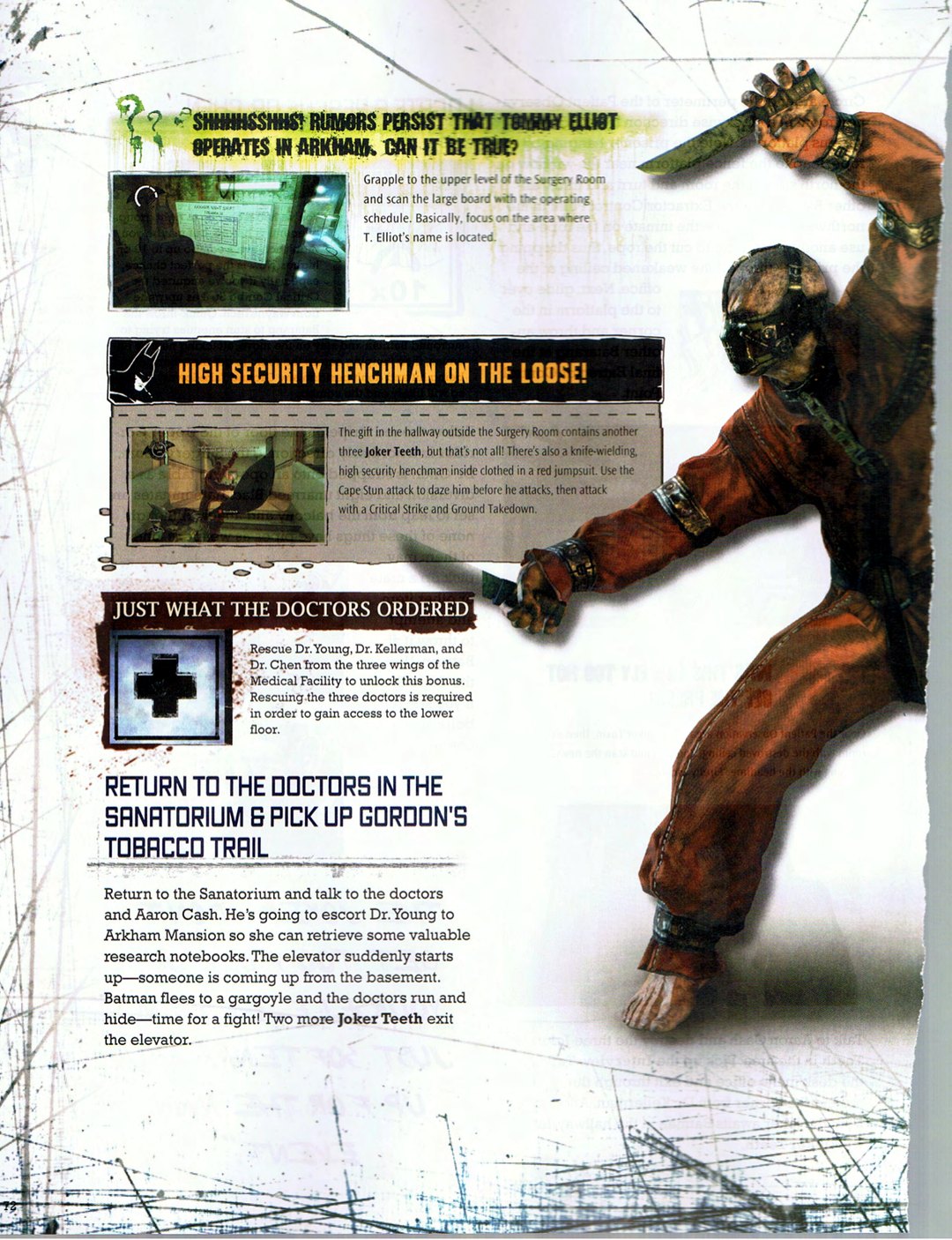
Combo protection matters more than combo length. A modest clean combo with smart target swaps is more valuable than a huge combo that collapses because you tunnel visioned one thug. Think in short tactical loops: disable danger, create space, re-enter on your terms. That mindset turns hard encounters into pattern recognition instead of panic.
Upgrade sequencing also influences combat comfort. Prioritize tools that increase consistency—defensive reliability, crowd control options, and utility that preserves rhythm when rooms get noisy. Pure damage spikes are fun, but reliability upgrades are what make your whole run smoother.
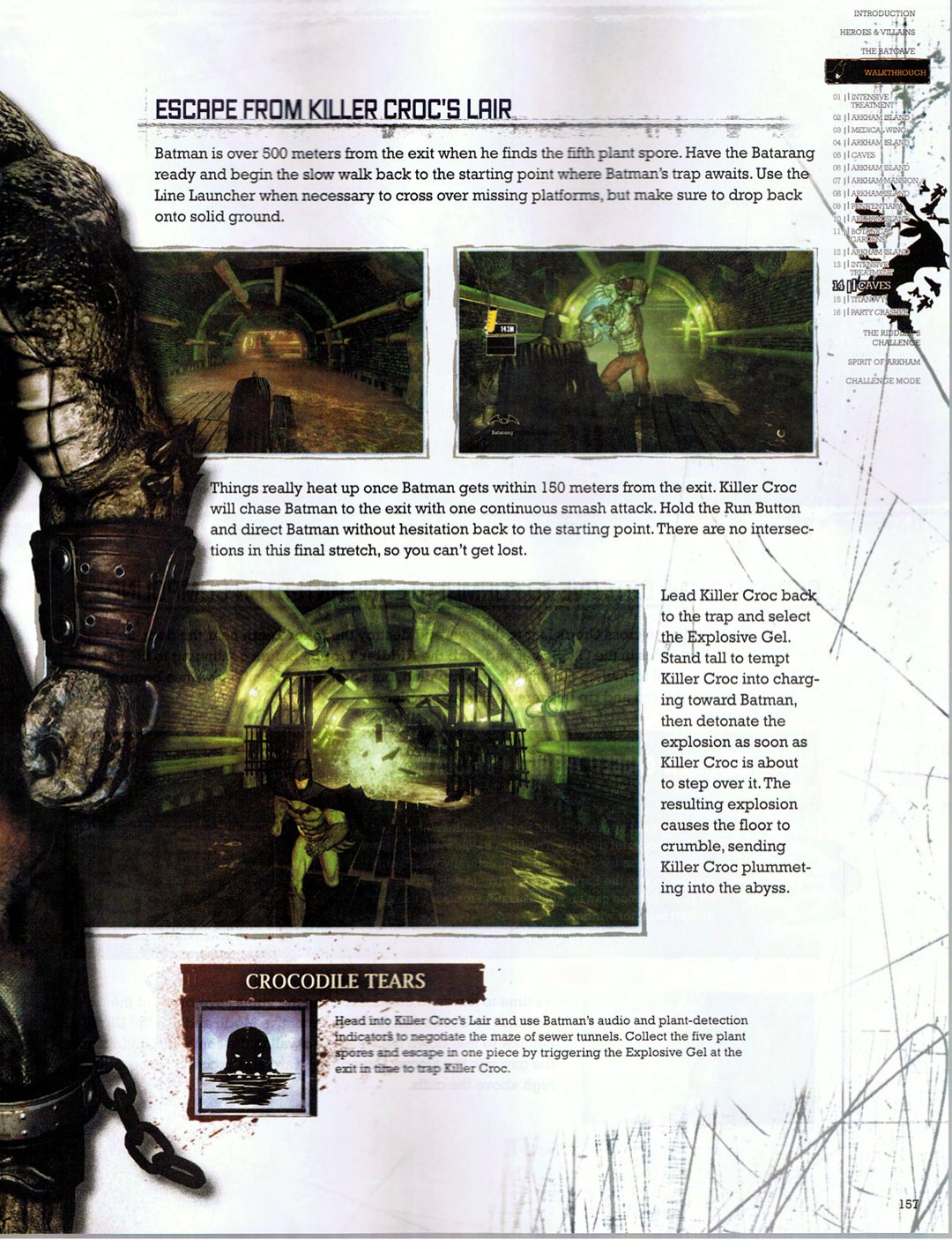
Most players improve quickly when they adopt one simple discipline: after every messy fight, identify the first mistake (usually threat order), not the last one. Correcting that upstream decision fixes half your future encounters. Arkham’s combat system is elegant because it teaches through repetition; your job is to listen to what the room is telling you.
Once FreeFlow clicks, Arkham becomes one of those games you replay just to feel the system working. That’s when combat stops being a hurdle and becomes the reason you boot it up again.
Another overlooked combat habit is camera discipline. Keep enemies in your visual cone when possible and avoid chasing isolated targets into blind angles. FreeFlow punishes tunnel vision more than slow hands. If your camera control improves, your counters improve automatically, and so does your confidence under pressure.
For challenge maps, use each failed run as diagnostic data: where did your rhythm break, and what threat did you ignore first? That loop creates fast, measurable improvement without grinding mindlessly.
The result is a combat style that feels calm, cinematic, and intentional — exactly what Arkham’s system was designed to reward.
 Instagram
 TikTok
 YouTube
 Facebook
 X
X Mastodon
 Bluesky