

Quick real-talk before we dive in: Eternal Sonata is one of those rare JRPGs that still feels emotionally weird in the best way.
Eternal Sonata is one of those games people remember as a feeling first and a system second. You boot it up expecting a standard mid-2000s JRPG, and instead you get a dreamy world built around Chopin’s final hours. What makes it stick is how confidently it commits to tone: soft tragedy, storybook beauty, and combat that keeps movement active.
In 2026, that confidence feels refreshing. A lot of modern RPGs chase scale; Eternal Sonata chased identity. It is colorful without feeling childish, emotional without becoming melodramatic, and mechanically simple enough to stay readable while still rewarding attention.
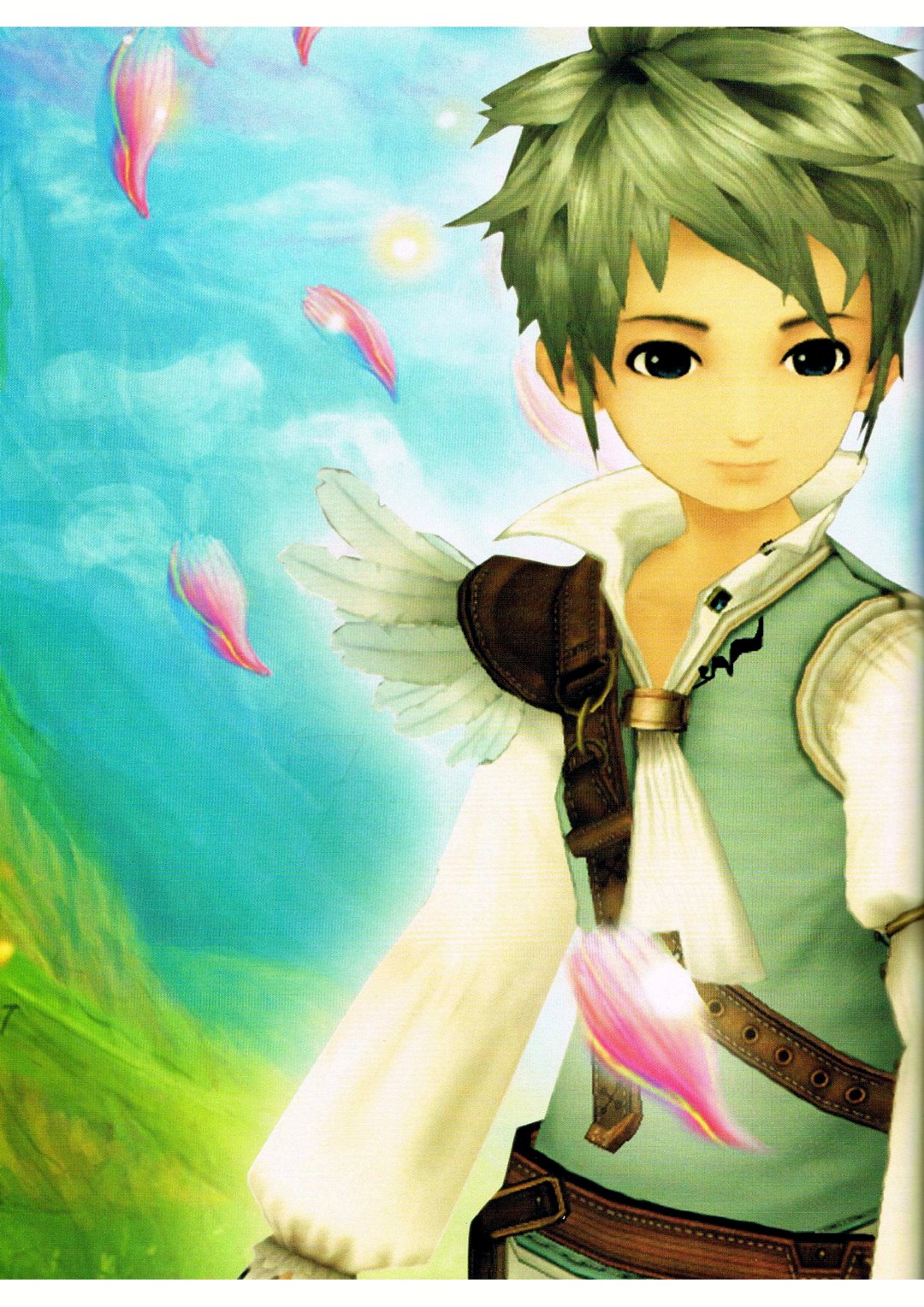
The music integration is the real magic trick. This isn’t just classical tracks in the background. The game treats Chopin as narrative DNA. Themes of mortality, memory, and fleeting beauty show up in scene pacing, palette shifts, and party arcs. It gives the whole adventure an unusual coherence.
That is why it works so well for nostalgia writing. Eternal Sonata is not just a remember-this-game post. It captures an era when publishers still took weird creative swings and let them be sincere.
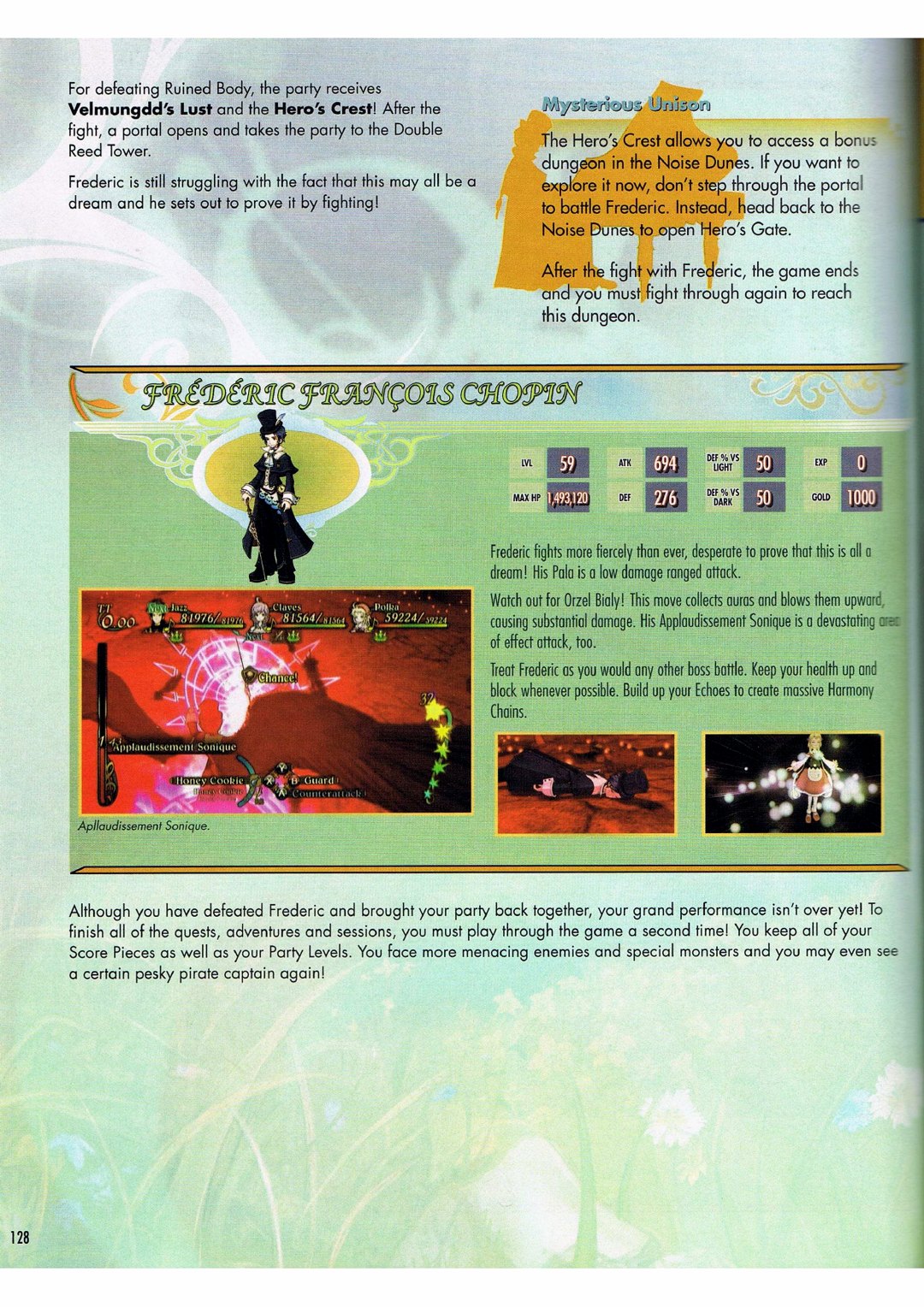
If you revisit it now, do not rush like you are checklist-clearing a backlog title. Sit with the cutscenes, notice the color transitions, and let the soundtrack carry you. Eternal Sonata rewards attention in a way many games no longer ask for.