

If Eternal Sonata combat ever felt random, this should make it click fast.
Most people remember Eternal Sonata combat as pretty and action-y, but the system has a cleaner tactical core than that summary suggests. Movement creates opportunity, timing protects momentum, and positioning often beats over-leveling.
Treat encounters as space management. Where you stand changes what you can safely commit to and how quickly you can recover when things go sideways. Players who ignore movement often feel the game is swingy. Players who use movement intentionally feel in control.
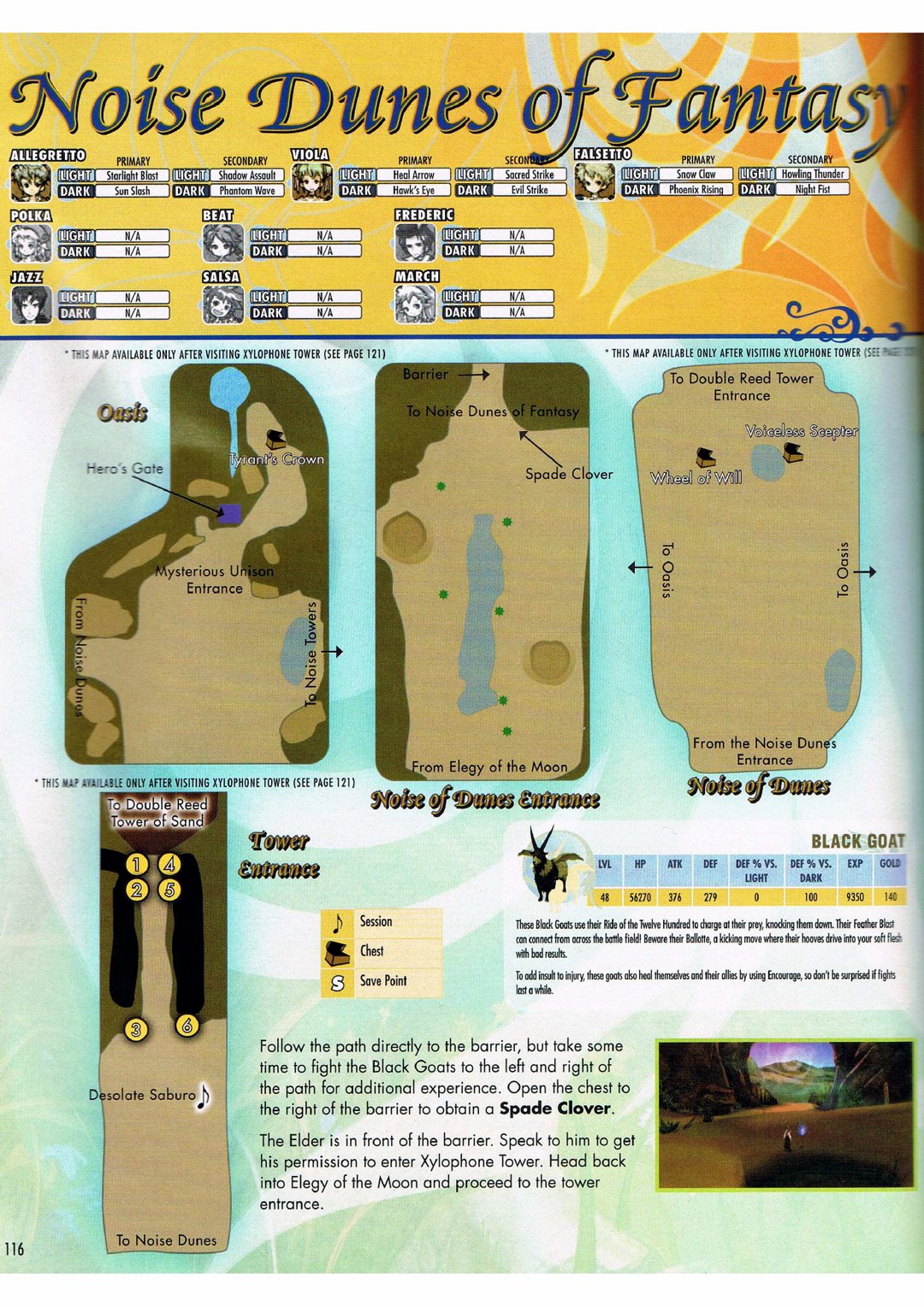
Avoid all-offense autopilot. Eternal Sonata rewards rhythm: commit, evaluate, reposition, repeat. It is less about huge alpha turns and more about maintaining a stable tactical loop. That is why party synergy feels better than solo-carry behavior.
Grinding is a tool, not a plan. If you are stuck, check execution first: are you overextending for damage, wasting turns, or entering fights from bad positions? Often a smarter approach solves what levels alone will not.
This framing is stronger than stat dumping because it gives readers a reusable mental model. Fundamentals age better than exact number builds, which makes the article more evergreen.
In short: Eternal Sonata combat feels best when played like chamber music, not noise. Controlled rhythm, deliberate spacing, and coordinated turns beat panic aggression.
That is why revisiting it now is still fun — and why this is perfect retro content for your audience.
If you are replaying in short windows, jot down a two-line session note after each play block: what worked, what to try next. That tiny habit compounds fast and makes your next session instantly smoother.


