
This one is less ‘tips’ and more ‘why this era of gaming felt different.’
Mid-2000s strategy guides were never just utility manuals. They were part of the ritual. Eternal Sonata’s guide pages prove it. You were not only looking up mechanics; you were buying into a world, a mood, and a style of play that felt slower and more intentional.
Discovery had texture then. You highlighted pages, folded corners, compared routes with friends, and built tiny personal systems around what you learned. The guide became part planner, part collectible, part memory object. That culture matters when we talk nostalgia.
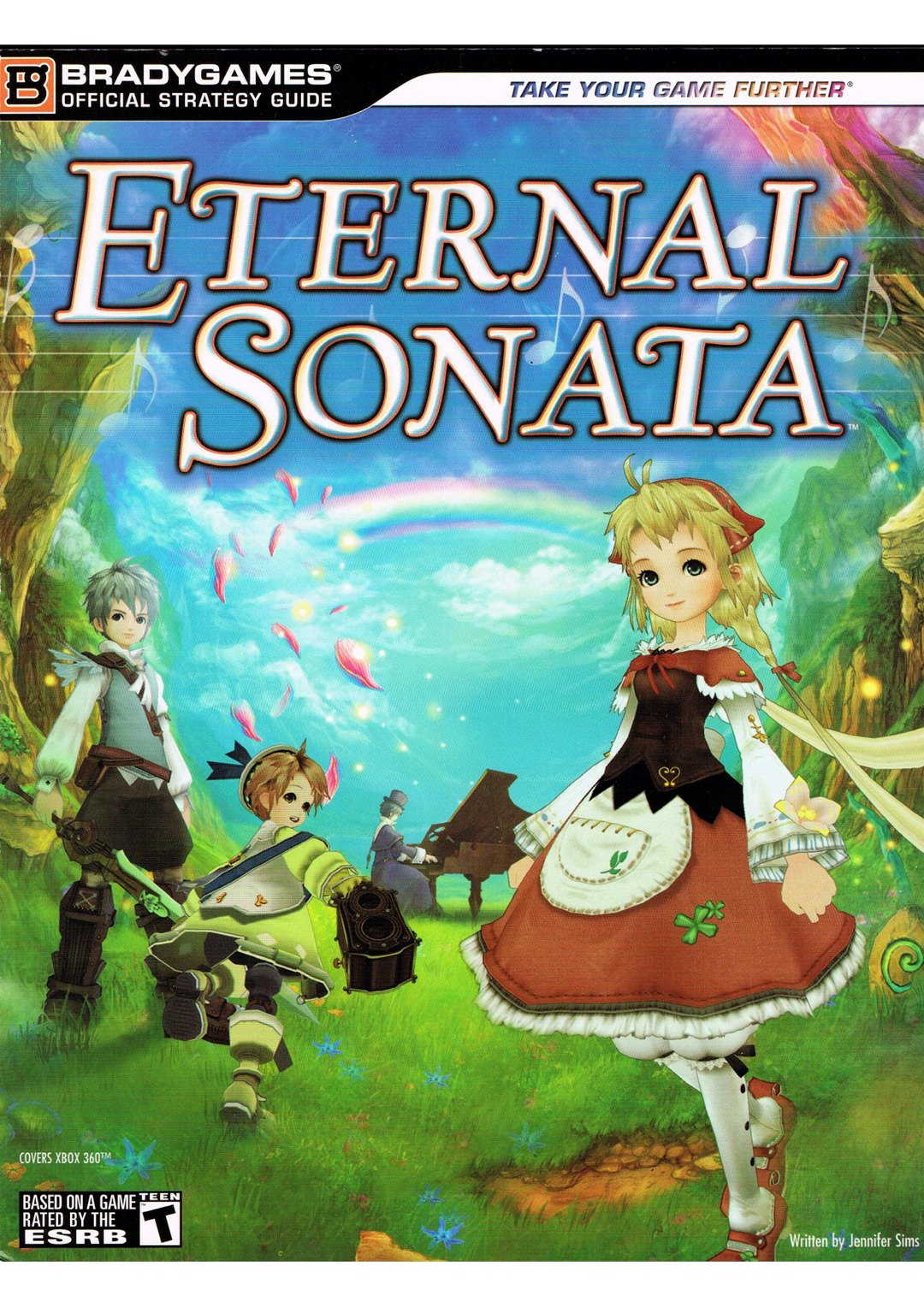
Eternal Sonata fits that era perfectly: distinctive concept, expressive art, and guide pages that blend explanation with atmosphere. Even denser sections carry editorial personality. It feels authored, not scraped.
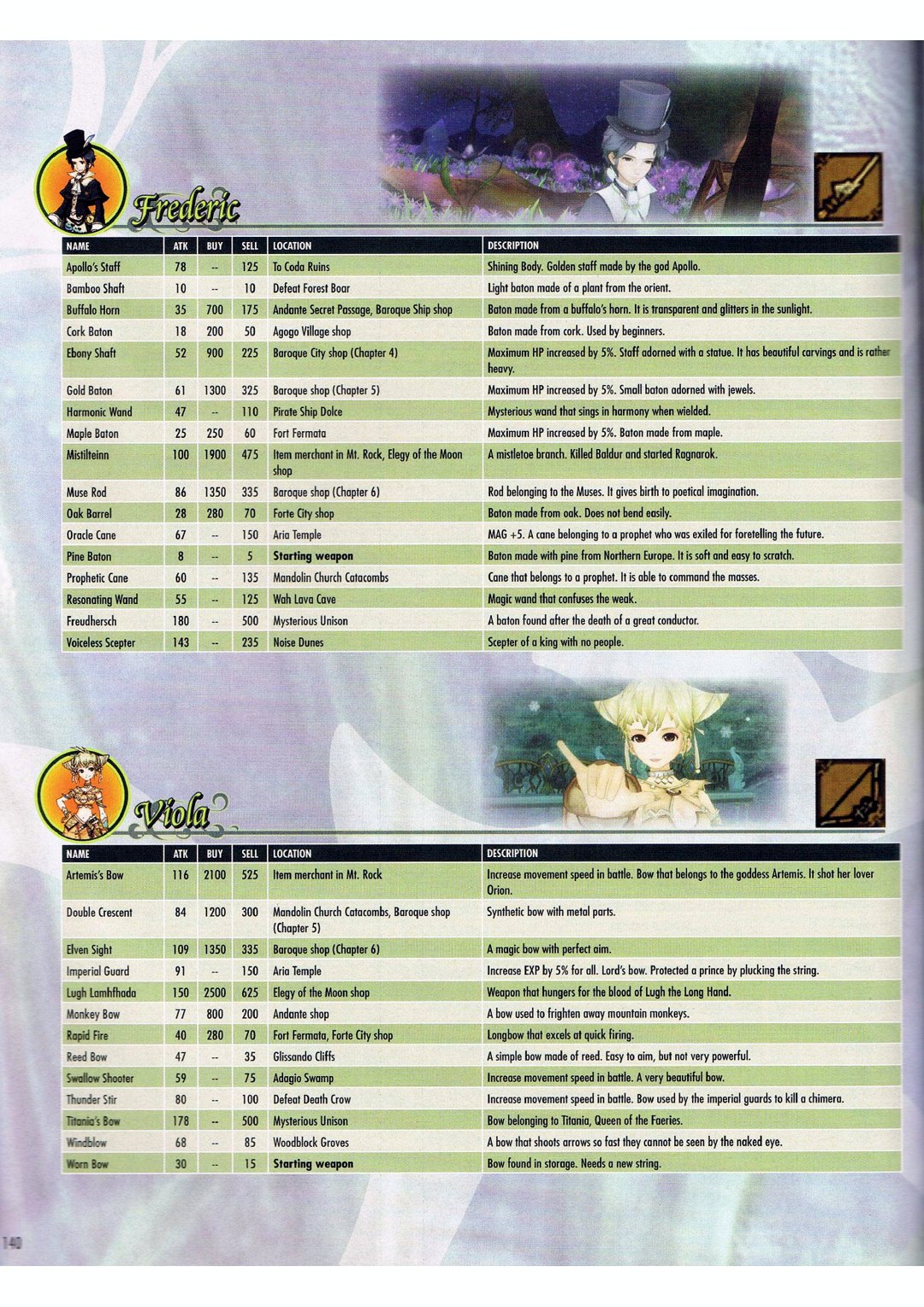
Eternal Sonata is a strong case because it sits at the intersection of creative risk and guidebook-era ritual. It was not trying to be universal. It was trying to be itself, and that is exactly why it still stands out.
When we write it this way, we are not just covering a game. We are preserving a moment in gaming culture.
 Instagram
 TikTok
 YouTube
 Facebook
 X
X Mastodon
 Bluesky