
The Feeling Behind “This Ad Still Works”
When someone says a retro ad still hits, they are rarely praising production quality. They are reacting to a feeling: immediate orientation, emotional charge, and recall that sticks. In other words, the ad quickly tells you who is speaking, how to feel, and what role you can step into.
That feeling is why old campaigns can outperform newer work in memory tests, even when the newer work is technically polished. The old campaign often has stronger emotional geometry.
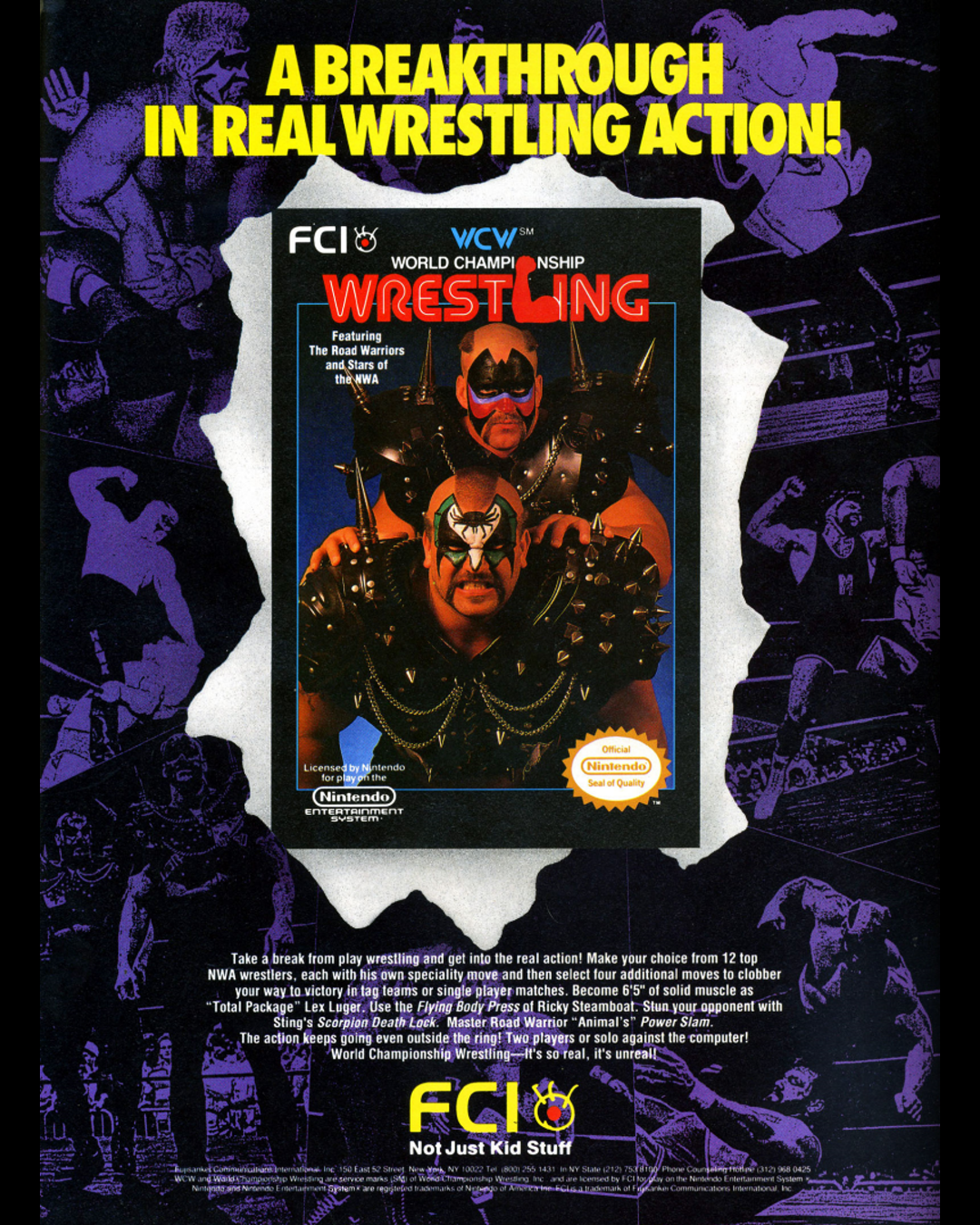
Across this archive, three forces appear again and again: mascot trust, muscular persona, and memory loops. Think Smokey the Bear, Woodsy Owl, Mr. T Cereal energy, 1989 WCW promotional intensity, 1983 SpaghettiOs family rhythm, and 1987 Ghostbusters toy reenactment. Different categories, same psychological engine.
Mascots Work Because They Carry Moral and Social Continuity
Mascots are not childish by default. They are symbolic devices that compress values into repeatable form. A well-built mascot makes each message feel connected to a larger relationship.
Smokey the Bear is powerful because he represents responsibility with warmth. The emotional message is not just “do this behavior.” It is “you are the type of person who protects what matters.” That’s identity-level persuasion.
Woodsy Owl operates similarly through behavioral simplicity and repetition. The more consistent the symbol, voice, and cue structure, the less cognitive effort the audience needs to decode the message. Over time, that consistency becomes trust.
Modern brands often sabotage this effect by endlessly reinventing tone. If every campaign sounds like a new personality, audiences never form symbolic memory. They may notice you, but they won’t internalize you.
“Muscle” Is Emotional Force You Can Feel in One Second
Muscle is not about aggression. It is about conviction, presence, and unmistakable signal strength.
Mr. T Cereal ads are a clean case of charisma transfer. The message doesn’t over-explain product specs; it lets persona do heavy lifting. Viewers borrow confidence by association. That borrowed confidence can move preference faster than feature lists.
The 1989 FCI WCW Wrestling style adds another muscle form: social voltage. Stakes are high, sides are clear, and urgency is performative. You don’t just watch—you choose affiliation. Even people outside wrestling culture can feel the emotional amplitude.
In current channels, this translates to high-contrast openings, distinct point of view, and clear audience positioning. Weak creative often fails not because it lacks information, but because it lacks energetic commitment.
Memory Loops Turn Exposure Into Behavior
A message is only truly memorable when it links to action in daily life.
The 1983 SpaghettiOs kid ad attaches product meaning to repeatable family moments. That makes memory practical, not abstract. The brand isn’t remembered only as a commercial; it is remembered as part of a routine.
The 1987 Ghostbusters toy commercial extends this through imagination loops. The ad gives children scripts they can reenact socially. That reenactment becomes unpaid repetition—memory sustained by behavior.
This is the key modern lesson: design content for afterlife. Ask what people *do* after seeing your message. Save it? Share it? Mimic it? Quote it? Participate in a challenge? Without post-exposure behavior, recall decays quickly.
Even “Serious” Ads Depend on the Same Three Forces
It is tempting to think mascot/muscle/memory applies only to kid culture or entertainment categories. It doesn’t.
The 1905 Weed Puller print ad generates trust through practical authority. That is mascot logic in a different costume: stable voice, clear norms, repeatable promise. The 1990 Baseball Simulator 2 Pager creates identity through capability and role ownership. The 2001 Audiovox and Natural American Spirit ads rely heavily on atmosphere and self-recognition, building preference by signaling who the user is or wants to become.
So whether a campaign looks playful, technical, or lifestyle-oriented, the emotional jobs remain similar:
- establish trusted frame,
- deliver energetic conviction,
- attach meaning to repeatable behavior.
Why Teams Misread Retro Success
Many teams reduce retro success to nostalgia. Nostalgia can attract attention, but attention alone doesn’t explain conversion or long-term brand effects. The deeper driver is structural clarity in emotional design.
Another common misread: copying surface cues. Grain, VHS transitions, vintage fonts, and throwback palettes can be useful, but only if they serve a message architecture. Without architecture, retro styling becomes costume.
The smarter move is extraction over imitation:
- Extract mascot function: what symbol or recurring voice anchors trust?
- Extract muscle function: where does confidence and commitment become visible?
- Extract memory function: what action turns the message into habit?
This shift keeps the work contemporary while preserving the persuasive DNA that made legacy campaigns durable.
A Practical Creative Check Before You Publish
Before launch, run your asset through this three-part check:
1. **Trust Anchor Check** — Would a new viewer immediately recognize the stable voice, symbol, or stance behind this message?
2. **Force Check** — Does the creative carry enough conviction that someone can feel the point of view instantly?
3. **Afterlife Check** — Is there a natural action, ritual, or social behavior that keeps this message alive after first exposure?
If one of these is missing, results may still be acceptable short-term—but durability usually suffers.
Performance and Brand Were Never Separate
Retro analysis also dissolves the false split between “brand” and “performance.” The most effective old campaigns were usually brand-strong *because* they were behavior-aware. They built emotional memory and then cashed it in through repeat exposure and familiar usage moments.
That same dynamic drives modern paid + organic systems. Creative that carries symbolic trust, emotional force, and ritual fit lowers friction across channels. Your clicks are cheaper, your retention improves, and your repeat engagement compounds.
So the takeaway is not to become nostalgic. It is to become deliberate.
Engagement + Soft Bridge CTA
Which matters more in your current campaigns right now: stronger trust anchors, stronger emotional force, or stronger memory loops? Share your pick in the comments and tell us why.
If you want to go deeper, the next read to pair with this is our guide on using retro ad patterns as a repeatable production system for modern content teams.
 Instagram
 TikTok
 YouTube
 Facebook
 X
X Mastodon
 Bluesky
Leave a Reply