

How Resident Evil 4 on GameCube Keeps Pressure High
Resident Evil 4 on GameCube is one of those rare games that still feels like it is actively pushing back against the player. The tension is not just in the zombies, parasites, or creaking rural buildings. It lives in the space between your crosshair and the enemy, in the time it takes to reload, in the way a single step too far forward can turn a manageable room into a scramble.
What makes the GameCube release so durable is that its design understands pressure as a rhythm, not a mood. You aim. You reposition. Enemies respond. The game escalates. Then, just when you think you have settled in, it adds a new threat that forces you to rethink your distance, your inventory, and your next three seconds.
That structure is why Resident Evil 4 on GameCube still feels sharp. It is not merely an action game with horror dressing. It is a machine built around controlled panic.
The over-the-shoulder view is a pressure system, not just a camera trick
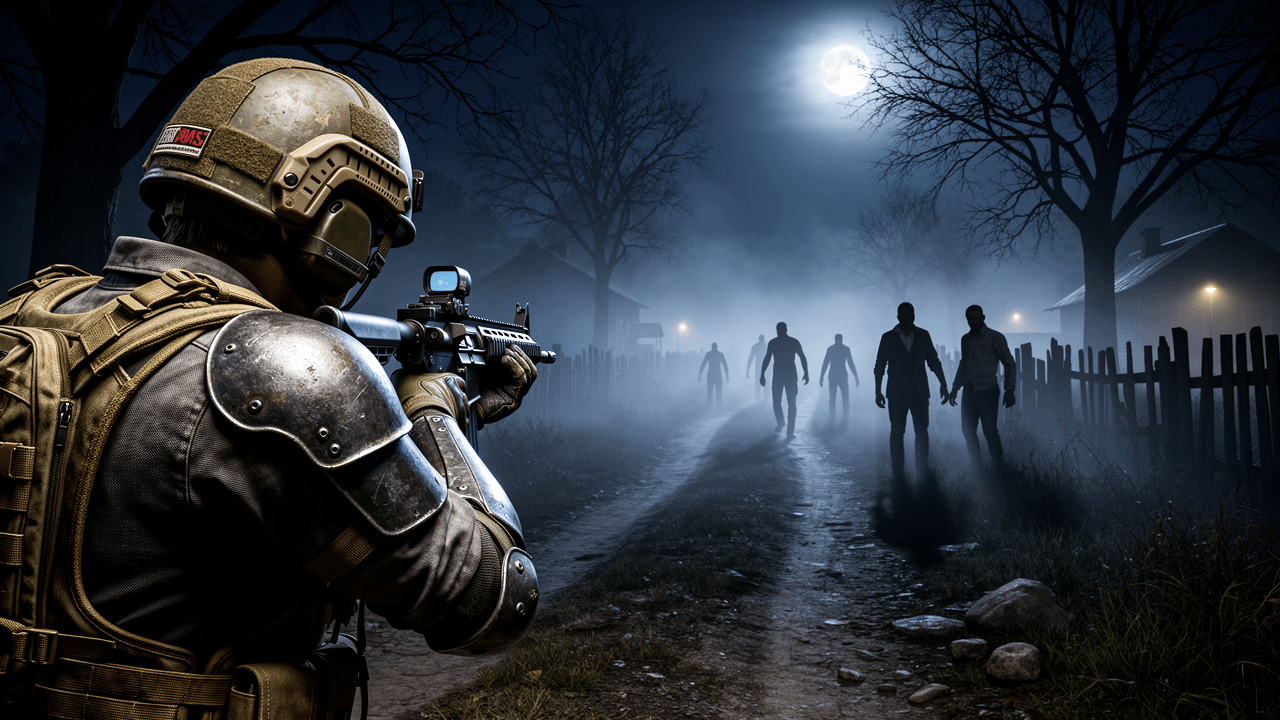
A lot of games use third-person aiming as a convenience. Resident Evil 4 on GameCube uses it as a constraint. The camera pulls close enough to make each shot feel deliberate, but not so close that you feel safe. You are always just a little off balance. Your field of view is narrowed, your movement is interrupted, and your awareness becomes something you have to earn.
That over-the-shoulder setup changes how danger lands:
- Enemies do not read as a crowd; they read as immediate bodies closing distance.
- Precision matters because missed shots cost time, and time is the real currency.
- Your movement and aim are separated just enough to create friction.
- Every weapon choice has a positional consequence, not just a damage value.
The result is a constant push and pull. You want to stand your ground and line up clean shots, but the game keeps reminding you that standing still is rarely an option.
That is a major reason the GameCube version still feels influential. It helped define a kind of third-person combat where aiming itself becomes part of survival horror. You are not just observing threat. You are wrestling with it.
Why the spacing still feels so smart
If you strip away the monsters, Resident Evil 4 on GameCube is a game about distance.
The villages, corridors, courtyards, and interior spaces are tuned to create awkward, dangerous ranges. Too close, and you get boxed in. Too far, and you lose control of the encounter because enemies advance faster than you can comfortably manage them. The game rarely gives you the luxury of a perfect lane.
That is what makes its encounters feel so clean. They are not random ambushes meant to shock you once. They are spatial puzzles under threat.
You are constantly reading:
- How many enemies can reach me from here?
- Which doorway is going to become a trap?
- Is this room wide enough to kite, or is it designed to crush me?
- Do I spend a shotgun shell now, or save it for when the crowd collapses?
The best encounters do not just spawn enemies. They change the shape of the room in real time. A single attacker can force you to reposition. A second one can cut off your escape. A third can turn your confident stance into panic. The pressure comes from how little the game lets you settle into a routine.
That is why even repeated fights stay interesting. The game is not asking whether you can survive one room. It is asking whether you can keep your spacing intact while the room itself turns hostile.
Enemy escalation keeps the rhythm from going flat
A lesser action-horror game would rely on the same threat over and over. Resident Evil 4 on GameCube keeps changing the pressure profile.
At first, enemies feel human and brittle. Then they become bolder. Then they start absorbing punishment, closing distance faster, or behaving in ways that force you to abandon your preferred habits. The game keeps widening the gap between what you think a room will demand and what it actually demands.
That escalation matters because it preserves tension without needing cheap surprises. You are not just fighting harder enemies. You are adapting to smarter pressure.
Some of the game’s strongest ideas come from that curve:
1. Ordinary threats become a crowd problem
A single enemy is manageable. Multiple enemies create movement problems. Soon the issue is no longer accuracy alone, but crowd control.
2. Specialized enemies break your routines
When a new enemy type enters the mix, it invalidates simple habits. The game makes you stop thinking in autopilot.
3. Bosses are built like exam questions
Boss encounters do not simply test damage output. They test whether you have learned how to preserve space, manage ammunition, and stay calm while the game throws a larger version of its regular logic at you.
The key is that escalation feels earned. The game does not just crank up numbers. It increases complexity in a way that stays legible, which is why it remains playable and tense instead of exhausting.
Inventory management is part of the combat tempo
One of the most overlooked reasons Resident Evil 4 on GameCube still works is that the inventory system supports the same pressure as the combat.
The attaché case is not a simple menu. It is a planning tool under stress. Every herb, grenade, ammo stack, and weapon slot is part of a larger decision about readiness. You are not only asking what helps now. You are asking what keeps you alive for the next five minutes.
That creates a second layer of tension outside combat:
- Healing items compete with ammunition for space.
- Bigger weapons solve problems but consume precious grid real estate.
- Loot is valuable, but carrying capacity forces hard choices.
- Every merchant visit becomes a tiny tactical reset.
This matters because the game never lets inventory management feel detached from action. When you decide to carry a shotgun, you are not just equipping a weapon. You are shaping the way you will handle pressure in the next encounter. When you run low on space, the whole game feels tighter.
That connection between menu decisions and battlefield survival is a big part of the game’s lasting elegance. It turns preparation into suspense.
The action-horror rhythm still feels disciplined
What keeps the GameCube release special is its sense of rhythm. The game knows when to let you breathe, when to make you sweep a room, and when to spike the pace just enough to keep your hands tense.
A typical stretch of play often looks like this:
- You enter a space and assess sightlines.
- A few enemies appear and test your positioning.
- The fight escalates as more pressure arrives from the edge of the screen.
- You spend ammo, reposition, and make one risky decision.
- The encounter ends, but not before draining resources.
- You immediately start worrying about the next room.
That loop is the game’s real genius. It does not try to make every moment explosive. It lets the buildup matter. The calm before a fight is still charged because the game has trained you to expect escalation.
This is why later action games often borrowed its camera or pacing, even when they did not copy its exact tone. Resident Evil 4 on GameCube showed that action could feel intense without becoming sloppy, and horror could survive inside a more aggressive combat system if the design remained disciplined.
Why the GameCube version still matters specifically
A lot of conversations about this game focus on the franchise impact, but the GameCube release deserves its own credit. It was the version that introduced many players to a new kind of survival horror language before the formula spread everywhere else.
That matters because the first impression of a design is often the purest one. On GameCube, the mechanics feel especially direct. The tension between aiming and movement feels immediate. The enemy pressure feels intimate. The environments feel built to force close-range decision-making.
The game was already doing something influential, but on GameCube it still carried the surprise of discovery. You can feel the design trying to teach you its rules by making every room a test:
- Do not assume you can backpedal forever.
- Do not assume ammo will stay plentiful.
- Do not assume one enemy means one problem.
- Do not assume the safest move is the least costly one.
That teaching style is a huge part of why the game endures. It respects the player enough to be readable, but it never becomes polite.
The lasting influence is in the pressure, not just the camera
It is easy to reduce Resident Evil 4’s legacy to the over-the-shoulder view. That was certainly important, but the camera alone does not explain why the game still feels so potent.
The deeper influence is in how it merges three systems into one feeling:
- aiming that demands attention,
- spacing that rewards discipline,
- and enemy escalation that refuses to let either one go stale.
That is the whole experience. Every fight becomes a conversation between your accuracy, your position, and the game’s willingness to break your plan.
A lot of modern action games still chase that feeling: the sense that you are barely ahead of collapse, but in full command if you stay calm. Resident Evil 4 on GameCube gets there by keeping the rules simple and the consequences sharp.
Why it still works today
It still works because the game never confuses complexity with clutter. Its pressure is readable. Its combat is active without being chaotic. Its horror is physical rather than abstract. Most of all, it makes the player participate in their own tension.
You are not scared because the game screams at you. You are scared because you know exactly how fragile your situation is.
That is an unusually durable kind of design. Even now, the game can make a hallway feel dangerous, a reload feel exposed, and a single enemy at the edge of the frame feel like the start of a disaster.
So when people talk about why Resident Evil 4 on GameCube remains so important, the answer is not just that it changed the genre. It is that it still feels good to play because it understands how to keep pressure high without losing control of the player experience.
That balance is rare. It is also why the game still hits.
If you’ve played it recently, I’d love to hear whether the pressure still lands for you—or what encounter best shows off its design in the comments.