
A Mosquito, a Bedroom, and a Shockingly Tense Stealth Loop
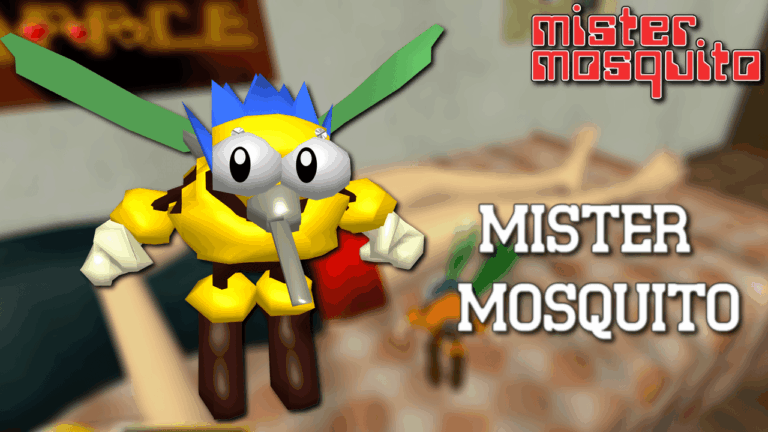
Mister Mosquito on PlayStation 2 looks like a joke at first glance, but its household-scale stealth design gives the game more pressure, timing, and replay value than its premise suggests.
Single-game retro coverage for video games that are at least 20 years old, across consoles, computers, arcades, handhelds, MS-DOS, and other classic platforms.
Mister Mosquito on PlayStation 2 looks like a joke at first glance, but its household-scale stealth design gives the game more pressure, timing, and replay value than its premise suggests.

Baldur's Gate on PC turned exploration, party banter, and reactive writing into a new standard for computer roleplaying. It rewards curiosity, careful choices, and the mindset of a tabletop session translated to a screen.
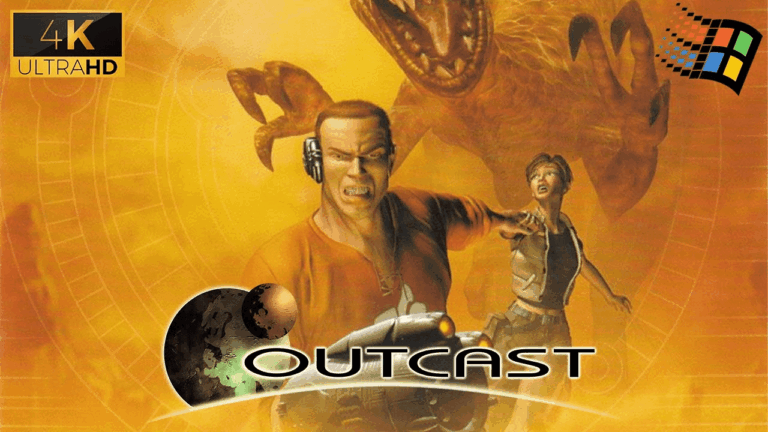
Outcast on PC remains one of the strangest early 3D PC games to revisit because it treated exploration as an act of learning an alien culture. Its movement, interface, and world structure did more than guide the player—they turned every
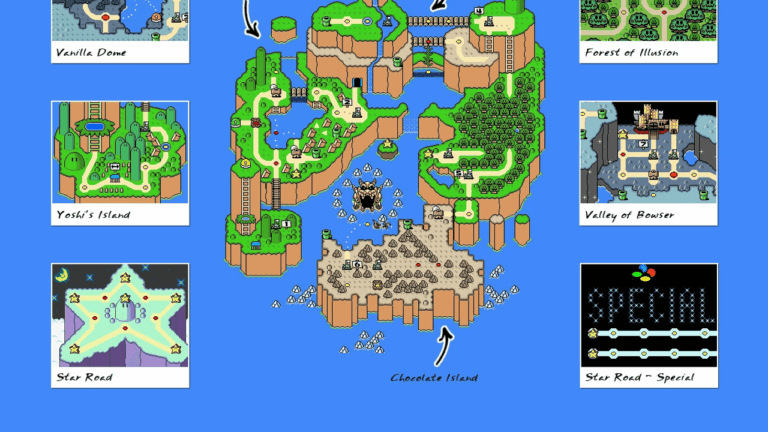
Super Mario World on Super Nintendo still stands as a model of approachable platforming because it teaches movement through layout, rewards curiosity with secrets, and escalates difficulty without breaking flow.
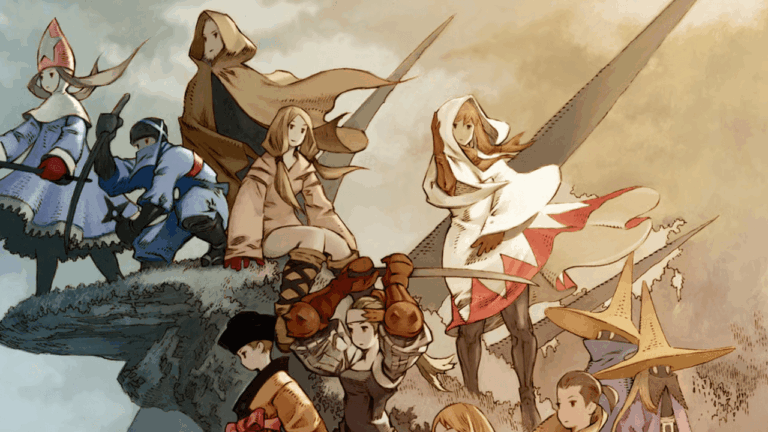
Final Fantasy Tactics on PlayStation remains a standout strategy RPG because every system asks for patience, foresight, and adaptation. Its job design, battle maps, and political story still feel unusually sharp.
Grim Fandango on PC remains a rare adventure game where inventory puzzles, deadpan dialogue, and a striking art direction all serve the same goal: making its afterlife feel clever, stylish, and worth revisiting.
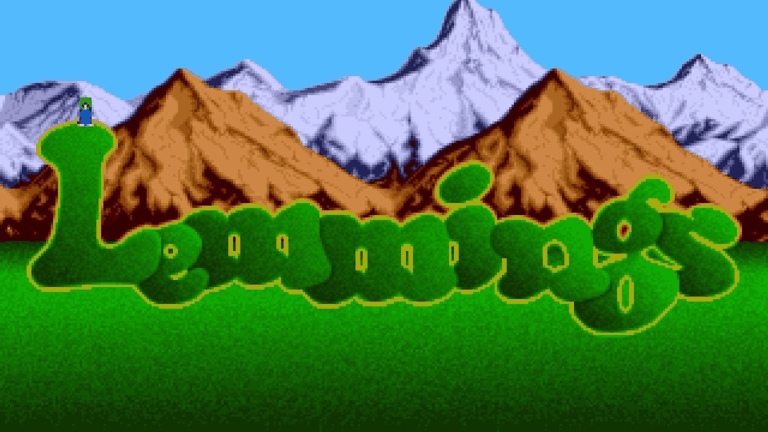
Lemmings on Amiga remains a masterclass in puzzle clarity: simple visual rules, escalating pressure, and levels that teach by doing.

Ecco the Dolphin on Sega Genesis is remembered for punishing difficulty, but that reputation misses the point. Its silence, disorientation, and oceanic beauty are the game.
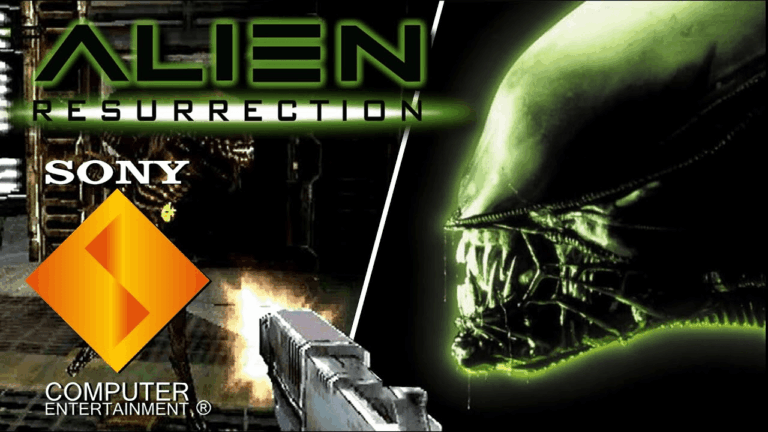
Alien Resurrection on PlayStation is awkward, tense, and easier to misunderstand than to master. For first-time players, the surprise is how its strange controls and slow-burn pacing create a horror experience that feels isolated rather
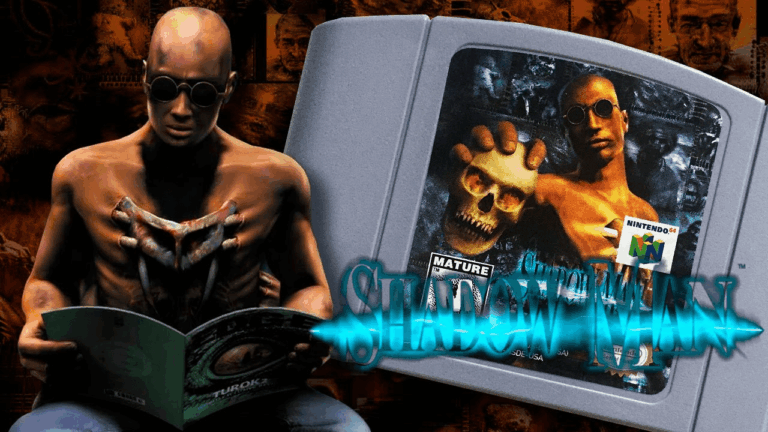
Shadowman on Nintendo 64 is a strange late-’90s action-adventure that turns exploration into unease. Its oppressive spaces, linked-world structure, and traversal ideas still make it stand out.