

Image credit: Draft web reference from screenrant.com
A strategy RPG that asks for thought, not reflexes
Final Fantasy Tactics on PlayStation still feels unusually modern because it understands something a lot of strategy games still miss: tension does not have to come from speed. It can come from uncertainty, from commitment, from the quiet panic of realizing you moved one unit too far and now the whole plan is wobbling. That is the kind of pressure this game specializes in.
Released in 1997, it arrived at a moment when console RPGs were expanding fast, but few of them were as willing to slow the player down and trust them to learn. Final Fantasy Tactics does not flatter you. It teaches you. Then it tests whether you were paying attention.
That is why it still rewards study today. It is not just a beloved tactics game from the PlayStation era. It is a compact lesson in how systems, maps, and narrative can all push in the same direction.
The job system is the game’s real engine
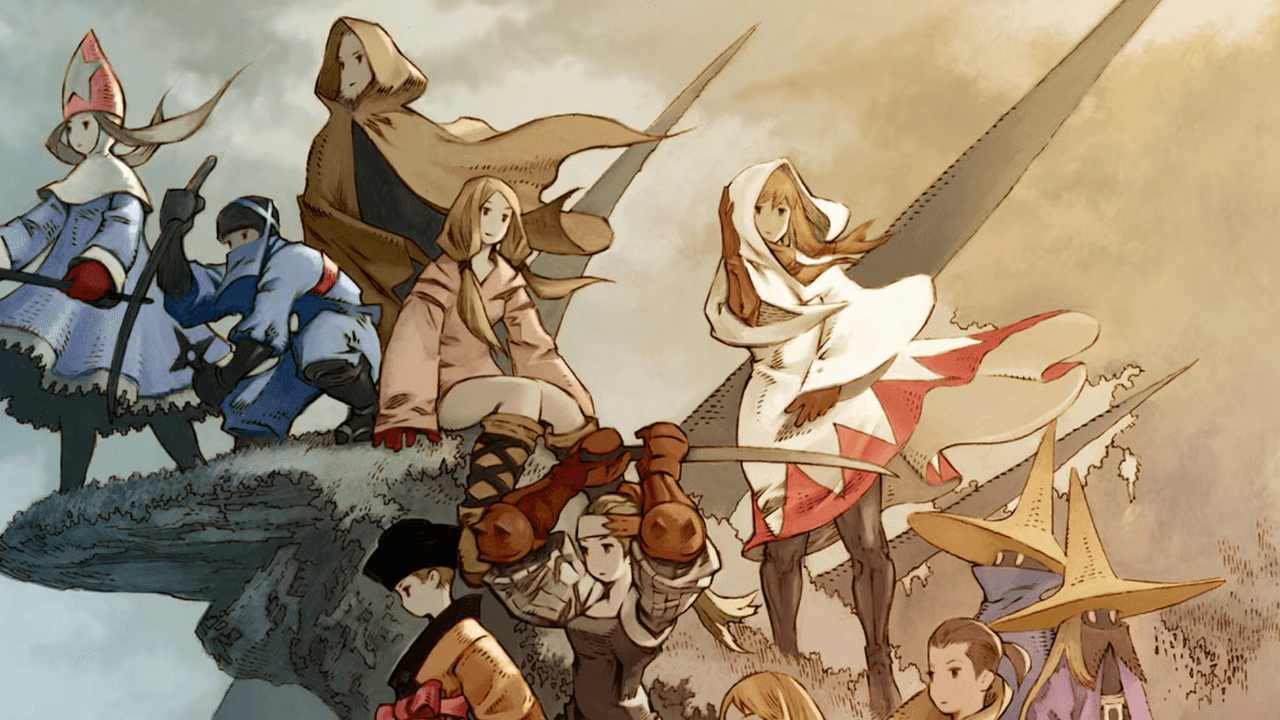
The first thing people remember is often the job system, and for good reason. It gives Final Fantasy Tactics a flexibility that can seem deceptively simple at first. You assign roles, earn abilities, and gradually build characters who are more specialized, more hybridized, or more broken in the hands of someone who understands the underlying rules.
What makes it smart is not merely the number of options. It is the way those options create long-term planning. Every choice in one battle can ripple into the next several fights.
A few reasons the system still stands out:
- It encourages experimentation without requiring blind risk.
- It makes a character’s growth feel earned rather than automatic.
- It rewards players who notice how one support skill can reshape an entire party.
- It creates genuine replay value because new combinations produce new tactical problems.
The best strategy RPG systems do not just offer customization. They make customization feel like problem-solving. Final Fantasy Tactics does that constantly. A unit is never just a unit; it is a question about positioning, timing, resource use, and whether your current party can survive the next map with the tools you have built.
Why the maps matter more than spectacle
A lot of games advertise strategy but mostly ask you to keep clicking until the numbers work out. Final Fantasy Tactics does something better. Its maps matter.
Height, turn order, narrow approaches, obstacles, and awkward terrain all shape the flow of combat. The battlefield is rarely neutral. It is an active part of the puzzle. A hill can be protection, a trap, or a movement tax. A chokepoint can save a wounded party or strand your most important unit in the wrong place. Even when the visual presentation is modest, the spatial design is doing serious work.
That makes every encounter feel authored. You are not just fighting enemies; you are interpreting terrain. And because the game is willing to punish sloppy movement, you start reading maps the way other games want you to read enemy animations or boss tells.
The clever part is that the maps support different play styles without ever becoming pure sandbox chaos. You can brute-force some fights if you know what you are doing, but the game consistently nudges you toward awareness. It rewards the player who asks, “What is the battlefield telling me?”
The game’s pacing is its hidden strength
Final Fantasy Tactics can feel slow to players who expect tactical games to constantly escalate. But its pacing is part of the design, not a flaw in spite of it.
The game spends time on preparation, on menus, on formation, on the exact kind of choices that seem small until they determine whether a battle ends cleanly or collapses into embarrassment. That tempo gives the combat weight. Wins feel constructed. Losses feel deserved.
This is one reason the game remains such a useful object of study. It respects the idea that strategy is not just what happens on the battlefield. Strategy begins before the first turn. It begins when you decide who can afford to carry the next fight, who needs one more ability, and whether your team is built for control or survival.
In that sense, the game is almost allergic to waste. Every encounter, every menu choice, every job change asks for intention.
Final Fantasy Tactics on PlayStation and political storytelling
The story is another reason the game still lands. It is not content to provide a vague fantasy backdrop and call it worldbuilding. It pushes into class struggle, betrayal, state violence, and the way history gets rewritten by the people who survive it.
What matters is not just that the story is political. It is that the politics shape the mood of the whole experience. The game’s conflicts feel institutional, not random. Individuals matter, but they are trapped inside larger forces that keep grinding forward.
That gives the game a severity many tactical RPGs never reach. The battles are personal, yet they sit inside a system of power that keeps making them larger than any one duel. Even the more dramatic twists work because the game has already established a world where loyalty is fragile and ambition can rot into cruelty fast.
The writing is at its best when it stays firm and unsentimental. It does not need to shout to feel serious. It lets the machinery of the plot do the heavy lifting.
Why it still feels distinctive in 2026
A lot of older strategy RPGs are admired mainly as historical stepping stones. Final Fantasy Tactics is different. It still feels alive because its core ideas are not dated in the way some mechanics are.
It understands three things especially well:
- Players like meaningful choices more than endless choices.
- Tactical depth works best when it is tied to readable rules.
- A strong story can reinforce systems instead of interrupting them.
That combination is still rare. Many games can do one of those things well. Fewer can do all three without becoming bloated or cumbersome. Final Fantasy Tactics stays focused. It asks you to think, but it rarely asks you to think about nothing.
Even the friction has purpose. Learning the system can be demanding, but the game is not obscure for the sake of being obscure. It wants mastery to feel earned. That is a huge part of its lasting appeal. You can feel yourself getting better in a way that is visible in the battles themselves.
What modern strategy games can still learn from it
The most valuable lesson Final Fantasy Tactics offers is not nostalgia. It is restraint.
Modern games often load strategy systems with too many overlapping mechanics, too much noise, or too many incentives to optimize in one direction only. Final Fantasy Tactics remains useful because it keeps the player’s attention on a relatively small set of interconnected ideas: movement, job growth, terrain, timing, and party composition.
That clarity gives the game room to breathe. You remember the battles because you understand why they worked or failed. You remember your party because you built it. You remember the story because it is framed by conflict that feels structural rather than decorative.
For anyone interested in how strategy RPGs can stay elegant while still feeling deep, this is still one of the best examples to study.
The enduring appeal is in the discipline
Final Fantasy Tactics on PlayStation has lasted because it trusts discipline as much as imagination. It gives you a rich system, then asks you to respect it. It gives you a political story, then refuses to soften its edges. It gives you maps that matter, then expects you to learn how to read them.
That combination creates a game that feels dense without feeling bloated. Smart without being smug. Tough without being punishing for its own sake.
Some games age by becoming nostalgia objects. This one ages by remaining legible. You can still see exactly why it works, which is part of what makes it so satisfying to revisit, analyze, or discover for the first time.
If you’ve played it before, what part still stands out most to you—the job system, the map design, or the political story? Share your take in the comments.