
Arkham Asylum’s villain and enemy pages are more than flavor—they’re pacing design in disguise. Every archetype changes how you move, what you prioritize, and how tense each encounter feels. That’s why this game still reads so well years later: mechanics and atmosphere are welded together.
The bestiary sections highlight a key Arkham strength: enemy readability. You can quickly identify threat behavior and adjust without menu babysitting. In practice, this means fear stays high while confusion stays low—exactly the balance a superhero-horror hybrid needs. You feel pressure, but you rarely feel lost.
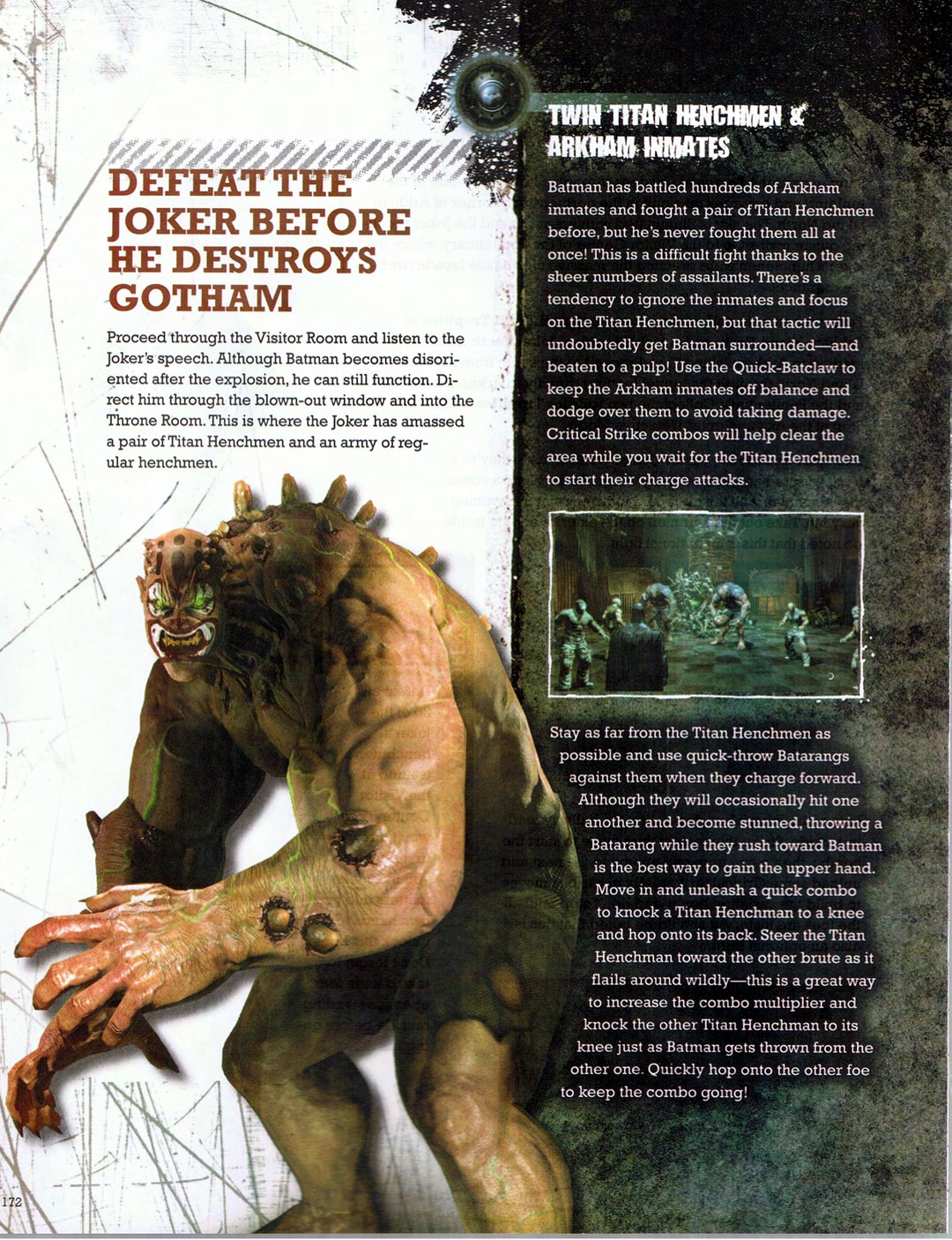
Villains function similarly at macro scale. They aren’t just narrative bosses; they shape mission rhythm. A villain arc often introduces a tactical pressure pattern, then asks you to adapt your tools and timing around it. That design keeps the campaign from feeling repetitive even when core systems remain consistent.
From a content perspective, these pages are gold because they let you connect gameplay advice with narrative stakes. Instead of saying “do this because it works,” you can say “this tactic fits the villain’s pressure profile and preserves run momentum.” That kind of contextual guidance feels authored and human, not templated.
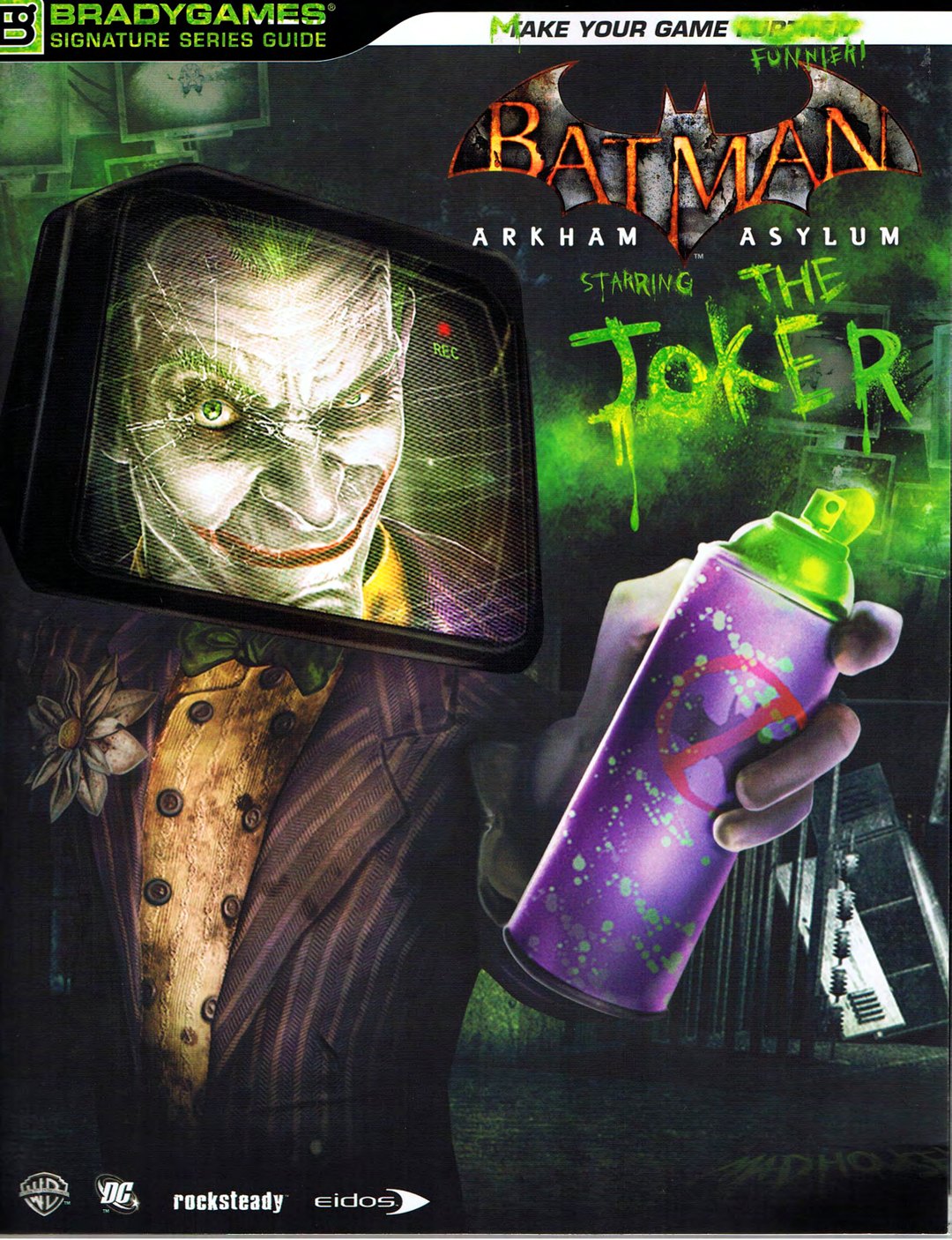
If you’re building retro guide content, this is the playbook: use enemy design as your storytelling spine. Readers don’t just want mechanics—they want to understand why the game feels the way it feels. Arkham gives you that in every section when you read it intentionally.
And for players revisiting in 2026, this lens makes replays richer. You start seeing each encounter as a tone instrument, not just a challenge room. That’s a big reason Arkham remains one of the most replayable single-player superhero games ever made.
There’s also a strong preservation angle here. Bestiary and villain pages capture how the game framed threat identity at release, which helps modern players understand design intent rather than only current community meta. That context makes replay strategy feel grounded in the original creative direction.
If we keep that standard, these articles stay useful long after the publish date.
 Instagram
 TikTok
 YouTube
 Facebook
 X
X Mastodon
 Bluesky