

Gadgets are the real pacing engine of Arkham Asylum. If your replay feels slow, it’s often because you’re exploring before your toolset can cash in on that exploration. The solution is simple: align gadget unlock timing with map intent, then revisit zones when your return has purpose.
Early on, treat every locked path or unreachable clue as deferred value, not failure. Make note, keep momentum, and return when your next gadget turns those dead ends into short reward loops. This is the difference between strategic backtracking and exhausting backtracking. Arkham is built for the former, but many players accidentally force the latter.
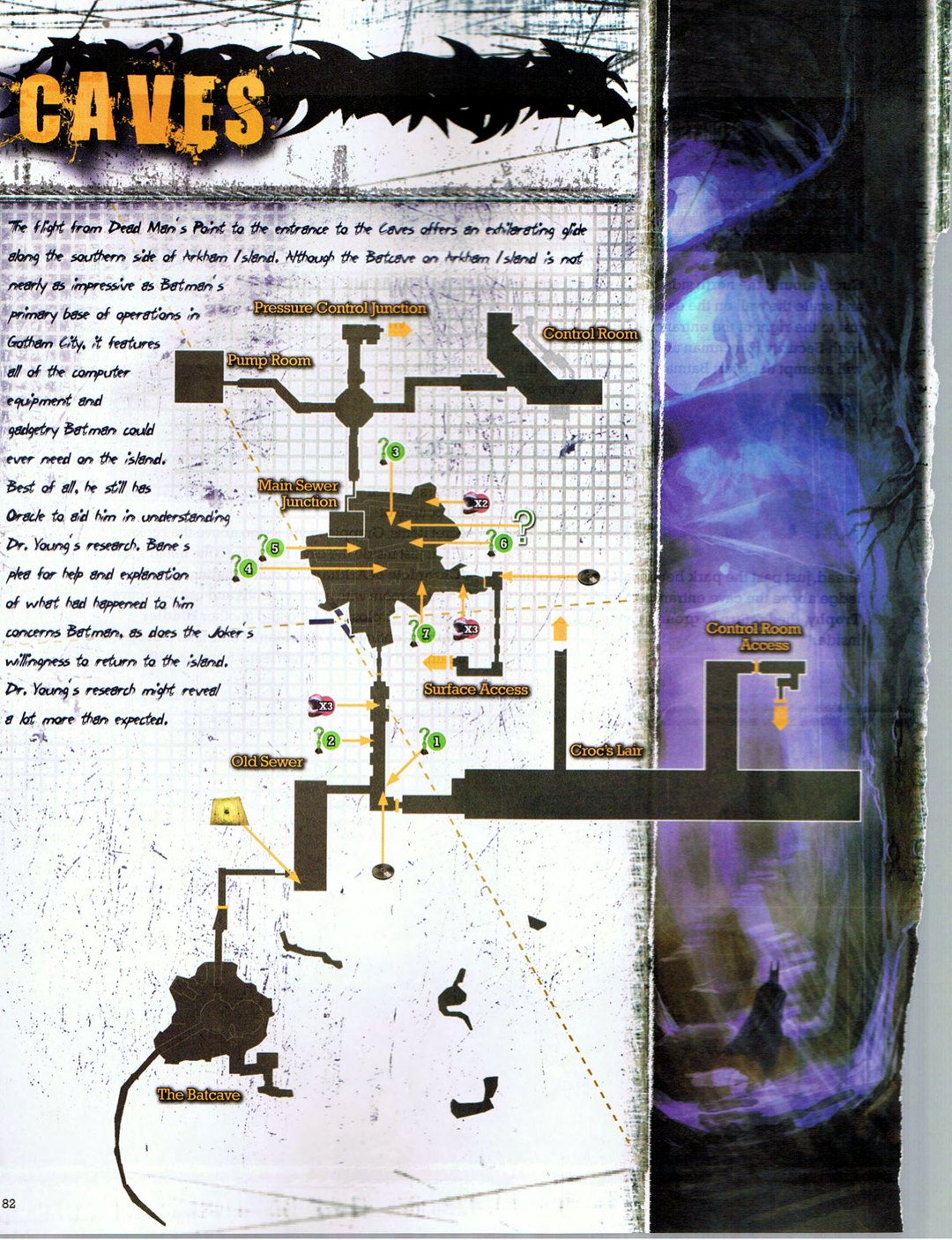
During objective progression, ask one question whenever you unlock a new tool: “What two areas does this immediately make valuable?” If you can’t answer, keep pushing story. If you can answer, run a quick surgical detour, collect high-impact pickups, then get back on mission. That pattern keeps your playthrough dense and satisfying.
Gadgets also influence combat identity. Some reduce risk, some accelerate control, and some open stealth options that save resources over time. If you value clean runs, prioritize versatility over novelty. A flexible gadget toolkit gives you more recovery options when encounters go off-script.
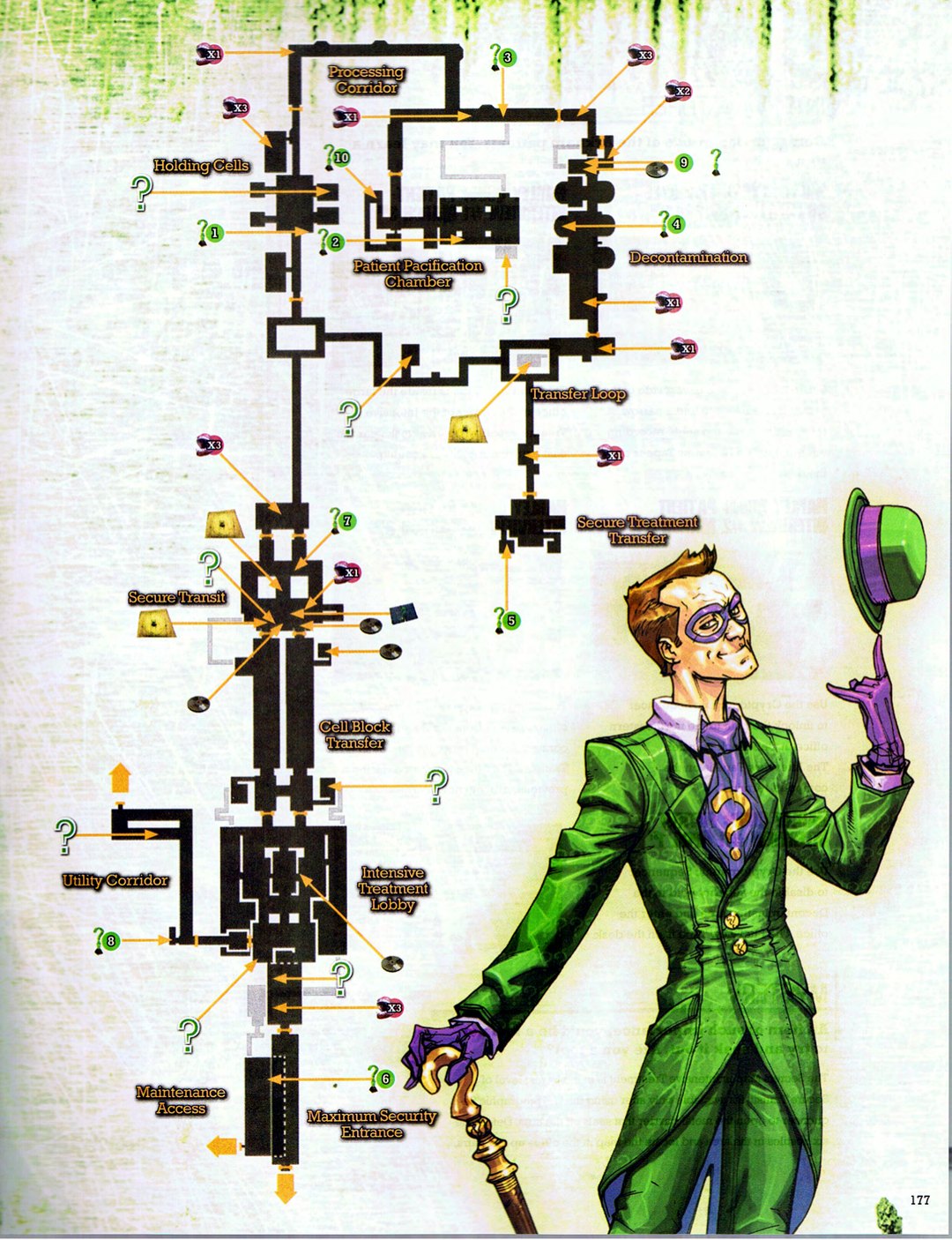
For completionists, this approach still works—you just stage completion into planned waves instead of constant wandering. For first-time nostalgia replays, it keeps the game feeling sharp and modern. Arkham’s world design is strongest when you revisit with intention, not when you brute-force every corridor in one pass.
Bottom line: gadget intelligence is route intelligence. Respect that, and your entire Arkham run gets cleaner, faster, and way more fun to publish about.
When writing route notes for yourself, keep them tiny: gadget, destination, expected payoff. Three lines max. This keeps your planning actionable and prevents over-documenting a run that should feel dynamic. If an area doesn’t produce meaningful value on return, mark it as low priority and move on.
In other words, use gadgets to create momentum, not homework. That mindset is what keeps exploration exciting instead of exhausting over a full replay.
And for guide creators, this framework translates cleanly into article structure: unlock context, return logic, payoff examples. Readers can follow it instantly.


