
If you only grab one thing from this guide, grab the maps. Not because they are pretty (they are), but because they fix the biggest strategy-guide problem: information overload. A good map page gives you instant route confidence, objective context, and a safer plan for your next 30 minutes.
The strongest map spreads in this guide share three traits. First, they use icon systems that are actually readable at a glance. Second, they pair geography with mission relevance, so you are not just staring at terrain — you know why a zone matters. Third, they support “loop planning,” where you can bundle quests and collectibles into one efficient run instead of zig-zagging across the world.
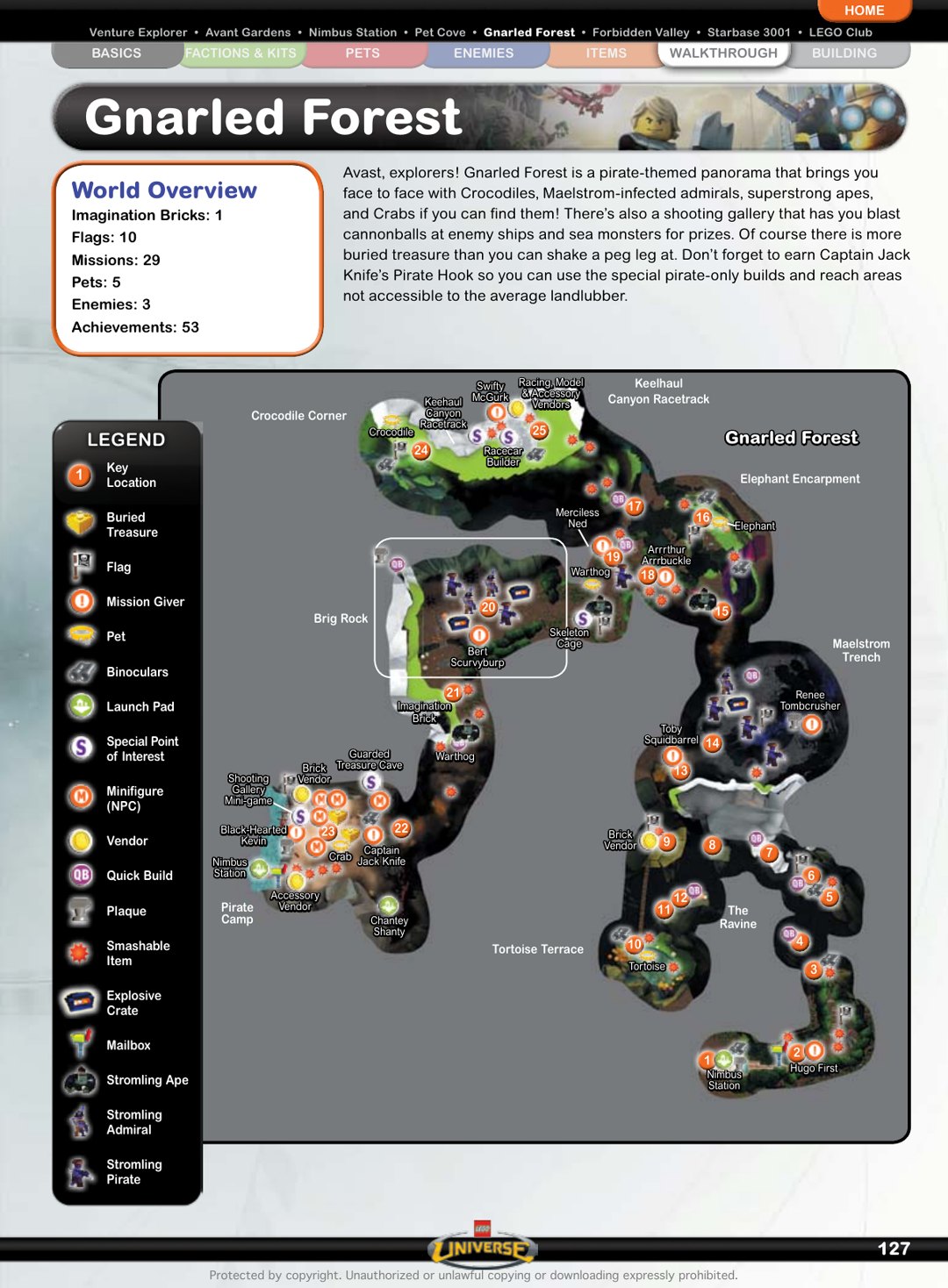
For practical play, use a two-pass map habit. Pass one: identify start, objective cluster, and safest reset point. Pass two: decide what you are skipping. That second decision is the secret sauce. Most wasted time in old MMO zones comes from chasing low-value side paths while your main objective is still unresolved. The guide maps make it easier to avoid that trap.
I also like how these pages keep visual signal high and clutter low. Even when text is present, the map remains the hero element. That’s exactly what you want for an article image too — readers see “route clarity,” not another block of text they have to decode.
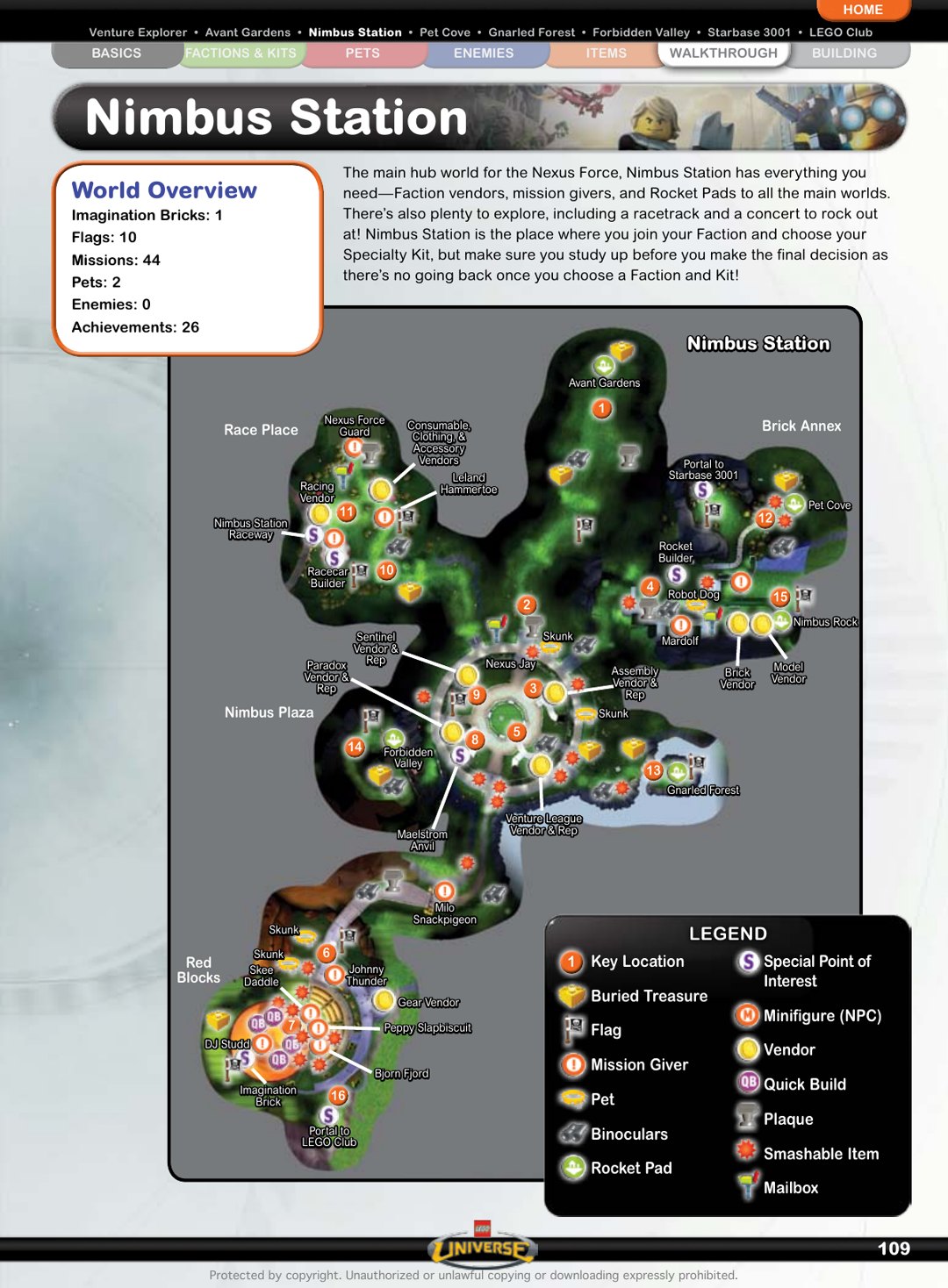
Bottom line: if you’re building Lego Universe content today, map-first editorial is the winning play. These pages are still the fastest way to turn nostalgia into better gameplay decisions.
Another practical move: map your session around return points, not around total completion. In retro/MMO-style worlds, trying to “finish everything in one pass” usually creates fatigue and sloppy routing. Instead, complete your objective cluster, bank progress, and re-enter with a refreshed route plan. This method preserves momentum over weeks, not just one evening.
For content format, map pages also make your article instantly scannable. Readers can see value in two seconds, then choose how deep to go. That is exactly what we want: visual payoff first, tactical detail second.
If we keep selecting map spreads like these, every guide post becomes both a nostalgia piece and a practical planning tool.


