
Best Movie Remakes: When Reinterpretation Earns Its Place
The phrase best movie remakes usually gets treated like a contradiction. For every remake that opens up a familiar story in a smarter, sharper way, there are plenty more that feel like recycled packaging with a bigger budget. A remake only earns respect when it does something the original could not quite do: it reinterprets the material for a different era, a different audience, or a different cultural conversation.
That distinction matters. A cash-in remake asks, “Can we do this again?” The rare good one asks, “What new meaning appears if we do?”
Best movie remakes are not about copying success
The weakest remakes mistake familiarity for value. They assume the title alone does the heavy lifting. Same plot beats, same iconic scenes, same ending, just polished with digital effects or a celebrity cast. The result often feels like watching a tribute band play the hits without any sense of why the songs mattered in the first place.
The best movie remakes do the opposite. They treat the original as a starting point, not a template to preserve at all costs. That can mean:
- shifting the genre emphasis
- updating the social context
- deepening a character who was thin in the first version
- improving visual storytelling with stronger craft
- exploring a theme the original only brushed against
That’s why a remake can feel more alive than the movie it came from. It is not repeating history. It is arguing with it.
What a remake has to do to justify itself
A remake earns its existence when it offers at least one of three things:
1. A fresh thematic lens
Sometimes a remake reveals that the same story means something different in a new era. Horror is the clearest example, because fear changes with the times. The monsters may stay similar, but what they represent often shifts.
2. Stronger craft
Not every original is untouchable. Some remakes benefit from better pacing, clearer staging, more expressive cinematography, or a director who understands how to shape suspense, action, or emotion more effectively than the first version did.
3. Cultural relevance
A remake can also work because the world around it has changed. Social anxieties, technology, family structure, politics, and gender roles all influence what a story says. A remake that reflects those changes can feel less like a duplicate and more like a correction or a continuation.
The key is that the movie must justify the act of remaking, not just the right to exist.
When the original is good but the remake finds the real idea
Some of the best movie remakes are memorable because the first film had the bones of something stronger than it realized. The remake doesn’t replace the original so much as clarify it.
The Fly (1986)
David Cronenberg’s The Fly is the standard example of a remake that transcends its source. The 1958 original is a solid science-fiction horror film, but the 1986 version turns body horror into tragedy. It is not just about a man becoming a monster. It is about disease, decay, intimacy, and the terror of watching your body betray you.
What makes it endure is not simply the grotesque makeup effects, although those are unforgettable. It is the emotional precision. The remake understands that the real horror is not mutation itself, but the loss of self and the inability to stop it.
Invasion of the Body Snatchers (1978)
The 1956 version is a great paranoid thriller, but the 1978 remake sharpens the dread into something more impersonal and existential. The ending is devastating because it strips away even the hope that vigilance can save you. In a decade marked by post-Vietnam cynicism and a growing sense that institutions could not be trusted, that darker angle landed harder.
This is what a remake can do when it is thinking beyond plot: it becomes a social mood, not just a story.
The Thing (1982)
John Carpenter’s The Thing is technically a reimagining of The Thing from Another World (1951), and it works because it embraces suspicion as the central engine. The earlier film is a brisk cold-war sci-fi adventure. Carpenter’s version is about paranoia, contamination, and the collapse of trust inside a sealed system.
It also benefits from exquisite practical effects and an icy visual style that make the Antarctic setting feel like a psychological trap. The remake is stronger because it is more conceptually ruthless.
Horror remakes often make the strongest case
Horror is where remakes most often prove their value, because fear depends on context. A monster from one generation can become a metaphor for another.
Wes Craven’s New Nightmare
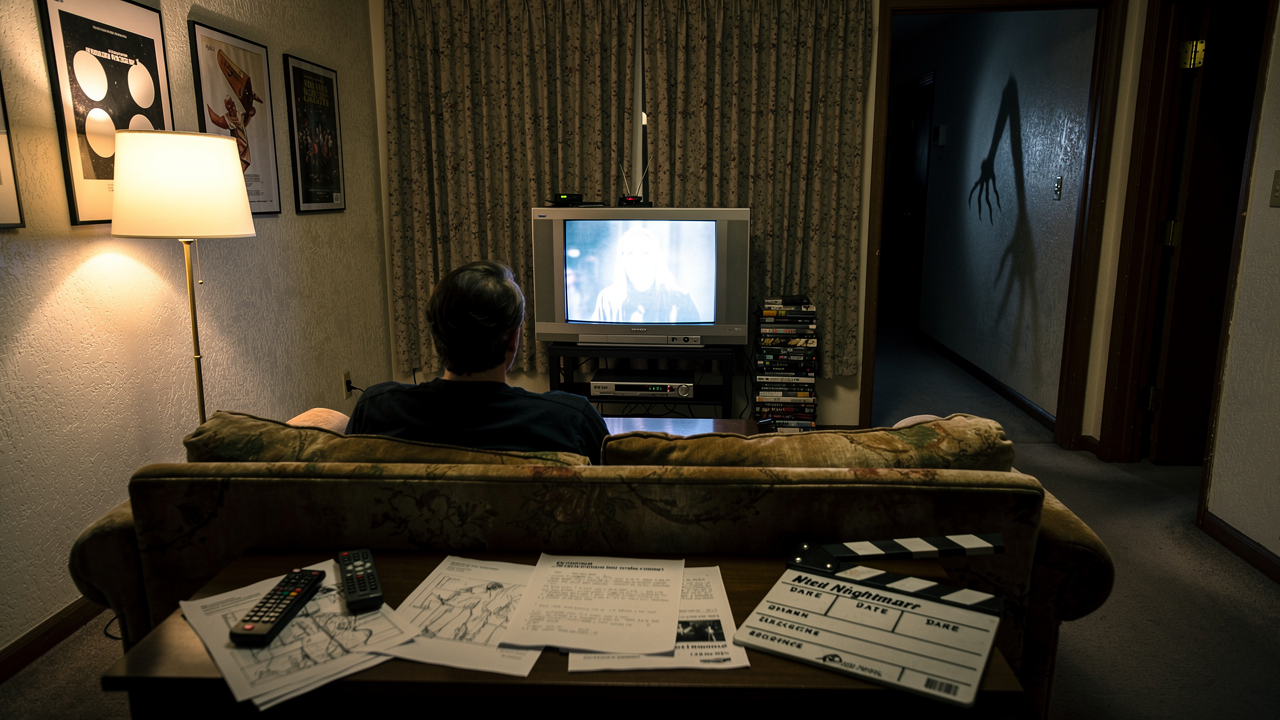
This is not a remake in the strictest sense, but it deserves mention because it works like a self-aware reinvention of the franchise’s own mythology. It takes the slasher format and turns it into a meditation on how horror stories seep into real life, how audiences consume fear, and what happens when a fictional killer becomes culturally immortal.
It shows the smartest version of remake logic: don’t just repeat the menace. Reframe it.
The Texas Chain Saw Massacre (2003)
This remake does not outclass Tobe Hooper’s original, but it is a useful example of how remakes often chase a different kind of audience response. The 1974 film feels raw, grimy, and almost documentarian in its unease. The 2003 version is more polished, more overtly engineered, and more focused on slick momentum.
That difference reveals a problem with many remakes: technical competence is not the same as necessity. A remake can be better lit, more intense, and still feel less essential.
It (2017)
The earlier miniseries had its own merits, but the 2017 film understood something important about modern horror: childhood fear is not just about monsters in the dark, but about trauma, loneliness, and the ways kids get ignored when adults should be listening.
By leaning into the emotional bonds between the Losers’ Club and giving the coming-of-age material room to breathe, the remake became more than a remake. It became a generational ghost story.
The best remakes update the meaning without flattening the story
A remake fails when it sands away the original’s personality. It succeeds when it preserves the emotional core while changing the lens.
That is why some remakes feel alive even when they are visually familiar. They understand that audiences are not only watching for plot points. They are watching for point of view.
A strong remake might:
- make a familiar protagonist feel newly vulnerable
- recast a passive story as an active one
- shift the moral center without betraying the premise
- use modern filmmaking tools to intensify tension rather than replace it
- acknowledge that the old version belonged to its time
That last point is crucial. Movies are not sealed artifacts. They are products of their era. A remake that respects the original while admitting its limitations can feel like the story growing up.
Remakes that feel necessary usually understand their audience
Some remakes work because they speak to a new audience without pandering to it. They don’t chase nostalgia so much as use it as a bridge.
Ocean’s Eleven (2001)
The 1960 original has old-Hollywood cool, but the 2001 version made the heist smoother, cleaner, and more ensemble-driven for a modern mainstream audience. It’s not a revolutionary reinvention, but it knows exactly what it is: a breezy, stylish recalibration of a premise built for charisma.
A Star Is Born (2018)
This story has been remade multiple times because the core idea keeps finding new emotional relevance: fame, self-destruction, dependence, and the price of being seen. The 2018 version works because it feels contemporary without making the premise feel disposable. It understands how celebrity culture, addiction, and emotional asymmetry read now.
The best version of a remake like this is not, “Look how much better we made it.” It is, “This story still hurts in a new way.”
The Parent Trap (1998)
A lighter example, but a useful one. The remake succeeds by embracing charm, pace, and emotional clarity. It does not pretend the concept is deep. It makes the most of the premise’s wish fulfillment and family emotion. Sometimes a remake just needs to be more generous, more polished, and better aligned with the audience it wants to reach.
When remakes fail, the problem is usually intention
Most bad remakes are not bad because they are remakes. They are bad because they have no reason to exist beyond ownership of a recognizable title.
You can usually spot the problem early:
- the visuals are louder but not more expressive
- the dialogue sounds like it was copied, not rethought
- iconic scenes are reproduced without emotional build
- the ending is unchanged even though the new context demands a different one
- the movie seems nervous about making an actual point
That nervousness is fatal. A remake needs conviction. If it is going to step onto familiar ground, it has to believe it has something worth saying there.
So what are the best movie remakes really for?
At their best, remakes do not erase the original. They create a second reading.
The original might be sharper in one respect, but the remake reveals a different dimension:
- a darker psychology
- a more current fear
- a cleaner dramatic shape
- a more mature emotional perspective
- a stronger command of form
That is why people still debate remakes. The question is rarely whether they exist at all. It is whether they transform recognition into insight.
The best movie remakes are the ones that make you rethink the source material instead of simply comparing shot for shot. They remind us that stories can survive repetition only if they are willing to change.
If a remake cannot add a new idea, a stronger form, or a more relevant fear, it probably should not exist. But when it does all three, it can become the version that finally tells the story as it was meant to be told.
What remakes do you think truly justified themselves, and which ones felt like pure cash-ins? Share your favorite examples or biggest misses in the comments.