

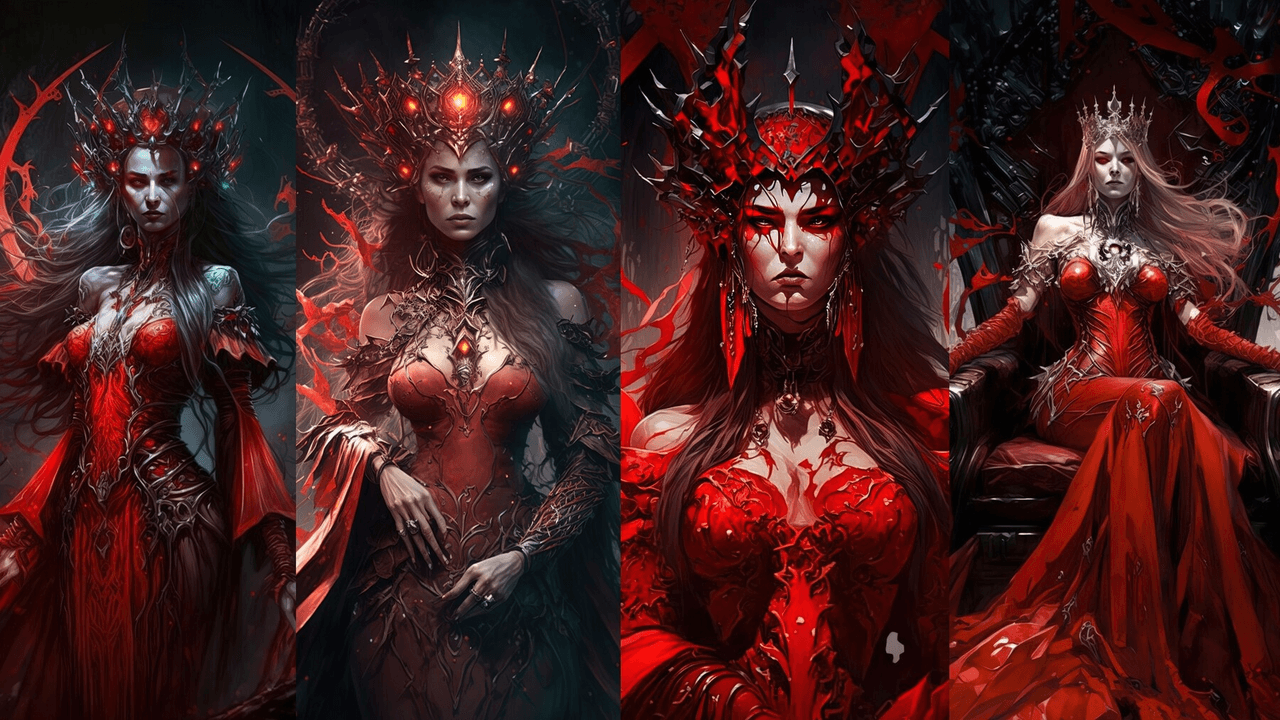
Image credit: Draft web reference from artstation.com
Fantasy stories love a throne because it is never just furniture. It is a promise, a trap, a symbol, and a target. The best fantasy queens and rulers are not compelling because they look powerful; they are compelling because power keeps demanding something from them. A crown can protect a kingdom, but it can also isolate the person wearing it, turn family into rivals, and transform private grief into national crisis.
That is why rulership matters so much in fantasy. Monarchs, regents, heirs, and ruling houses give the genre a way to make huge stakes feel personal. A border war becomes a moral test. A prophecy becomes a burden. A marriage pact becomes a battlefield. When fantasy is working at full strength, the politics are never separate from the myth. They are the myth.
Why fantasy queens and rulers carry so much dramatic weight
Fantasy rulers are often asked to do three jobs at once: govern, symbolize, and endure. That combination is catnip for storytellers because it naturally creates conflict. A fighter can solve a problem with a blade. A ruler has to solve it with judgment, timing, compromise, and sacrifice.
The emotional appeal comes from pressure. A ruler is rarely allowed to be ordinary. They are watched by nobles, priests, soldiers, enemies, and sometimes magic itself. Every decision can become a referendum on whether they deserve the throne. That makes even small choices feel mythic.
There is also a built-in tension between inheritance and identity. Many fantasy heirs did not choose their role, but they cannot escape it. Their bloodline may grant legitimacy, yet legitimacy is not the same as wisdom, courage, or mercy. Readers and viewers are drawn to that contradiction because it mirrors real life in a heightened form: who deserves power, who gets it, and what it does to a person once they have it.
The crown as burden, not prize
The most memorable rulers in fantasy are rarely the ones who simply “have it all together.” They are the ones who understand the cost of ruling.
A good fantasy throne room is a pressure cooker. Inside it, a queen may need to choose between a loyal friend and a politically useful marriage. A regent may have to govern in the shadow of a missing monarch and prove they are not merely a placeholder. A king may need to decide whether peace is worth humiliation. Every option has a price.
That burden is what gives the genre emotional range. Fantasy rulers can be noble, ruthless, reluctant, charming, haunted, or all of the above. What matters is that the story makes the reader feel how heavy the role is.
Succession turns family drama into national drama
Few fantasy devices are as effective as a succession crisis. The moment a throne is uncertain, the entire fictional world sharpens into focus. Suddenly every cousin has a claim, every council member has an agenda, and every marriage becomes a political weapon.
Succession works so well because it combines intimacy and scale. At the family level, it is about children, parents, siblings, and betrayal. At the kingdom level, it is about stability, legitimacy, and war. Fantasy can move between those scales without friction because the throne binds them together.
When a story focuses on a rival heir, it is not just asking who should rule. It is asking what kind of person is fit to inherit power. Is it the dutiful child? The brilliant schemer? The reluctant younger sibling? The exiled claimant with a romantic memory of the old court? These questions keep fantasy leadership stories alive long after the initial twist.
Regents and placeholders are secretly one of fantasy’s best tools
Regents are especially useful because they live in uncertainty. They rule in someone else’s name, often while defending themselves against accusations of ambition. That makes them ideal for stories about loyalty, ambition, and institutional decay.
A regent can be heroic, but they can also be dangerously effective. They may keep the kingdom stable while quietly changing it. They may love the child heir they protect, or resent the future they are preserving. The role itself is dramatic because it sits between duty and temptation.
This is where fantasy gets its sharpest political edge. The regent has to ask: am I holding the realm together, or am I becoming the kind of ruler who will not give it back?
Power and prophecy: when magic judges the throne
Fantasy rulers do not govern alone. They govern under the eye of prophecy, ritual, sacred inheritance, and old magic. That is part of what makes fantasy leadership stories feel larger than life. A court dispute can unfold like a religious debate. A coronation can feel like a spell.
Prophecy is especially powerful when it complicates legitimacy instead of confirming it. The chosen ruler may be foretold, but that does not mean they are prepared. The prophecy may be ambiguous, manipulated, or misunderstood. That uncertainty gives stories room to explore whether fate is guidance or manipulation.
This is one reason fantasy queens and rulers remain so memorable: they are often judged by forces beyond politics. The gods may disapprove. The land may react. Ancient magic may awaken in response to a weak or unjust heir. In these stories, rulership is never merely administrative. It is cosmological.
The best fantasy courts are political and spiritual at once
A good fantasy court feels alive because it is crowded with competing forms of authority.
- Nobles claim hereditary rights.
- Priests claim moral authority.
- Wizards claim hidden knowledge.
- Generals claim practical necessity.
- The ruler must somehow absorb all of it.
That collision creates a rich storytelling environment. Every advisor has a theory of how the realm should be saved. Every faction thinks it has the truest read on destiny. The ruler becomes the point where all these systems collide.
Duty versus desire is the engine of the best royal stories
A ruler’s inner life matters because fantasy often uses the throne to dramatize impossible choices. The queen who wants to marry for love may need an alliance instead. The prince who dreams of peace may be pushed into conquest. The woman who would rather explore the world may be trapped by ceremony, inheritance, and expectation.
This conflict between duty and desire is one of fantasy’s oldest and most effective emotional engines. It makes rulers feel human. More importantly, it lets the story ask whether responsibility has to erase the self.
The strongest royal characters are not defined by whether they obey duty or rebel against it. They are defined by what their choices cost.
What makes these characters compelling
Fantasy leadership figures tend to work best when they carry a few of these traits:
- They are constrained. Their power has limits, and the limits matter.
- They are watched. Private fear becomes public theater.
- They are divided. Personal desire clashes with political necessity.
- They are symbolic. Their body, bloodline, or voice means more than itself.
- They must choose sacrifice. The story forces them to lose something to keep the realm intact.
Those ingredients create tension without relying on constant action. A quiet scene in a council chamber can hit as hard as a battle when the stakes are inheritance, legitimacy, or the fate of a kingdom.
Why fantasy likes ruling houses, not just lone monarchs
Individual rulers are memorable, but ruling houses make fantasy feel historical. Once a story introduces a dynasty, it gains depth. The present ruler carries the sins of ancestors. The heir inherits not only a crown but a legacy of violence, compromise, and myth.
Ruling houses also allow fantasy to explore how power repeats itself. One generation builds a fortress; the next inherits the enemies it created. One queen secures peace through diplomacy; her descendants may pay for it with weakness or resentment. Bloodline turns politics into memory.
That’s why house-based fantasy often feels so immersive. The family tree is not just background detail. It is an engine for doom, loyalty, and inheritance. A kingdom is never only ruled by the person on the throne. It is shaped by the ghosts of the people who sat there before.
The crown works best when it has consequences
Fantasy leadership stories become forgettable when rulership is treated like a costume. The crown should change how the world behaves. Nobles should maneuver. Allies should test limits. Enemies should probe for weakness. Even magic should seem to respond to authority.
The most effective stories understand that power is relational. A ruler is not powerful in isolation; they are powerful because other people recognize, fear, support, or resist them. That is why court intrigue can feel as intense as dragon battles. Both are contests over the future.
The best fantasy queens and rulers are compelling because they sit at the center of that contest and cannot step away from it. They may want freedom, love, revenge, or rest. But the story keeps asking the same question: what will you give up to keep the realm from breaking?
And that is the heart of it. Fantasy uses rulers to make abstract power feel intimate, and intimate pain feel legendary.
If you have a favorite fantasy queen, king, regent, or ruling house, share it in the comments and tell us why that character works for you.