

Dungeon success in Final Fantasy I is a rhythm problem. Most failed runs are not caused by one bad fight—they are caused by a sequence of small inefficiencies that drain resources before key checkpoints. The cure is simple: align your map decisions with your combat tempo.
Before entering any long dungeon segment, define your exit logic. What triggers a retreat? Low healing? Spell depletion? Inventory threshold? Making that call in advance prevents ego pushes that wipe momentum. Classic guides excelled at this because they presented dungeon geography and encounter context side by side, encouraging decision-making instead of brute-force repetition.
Encounter management starts with positioning and intent. You are not trying to win every random battle at maximum speed; you are trying to preserve a clean route to meaningful objectives. Sometimes that means conservative choices to protect your next segment. Sometimes it means controlled aggression when the map gives you recovery access nearby. Good runs are adaptive, not rigid.
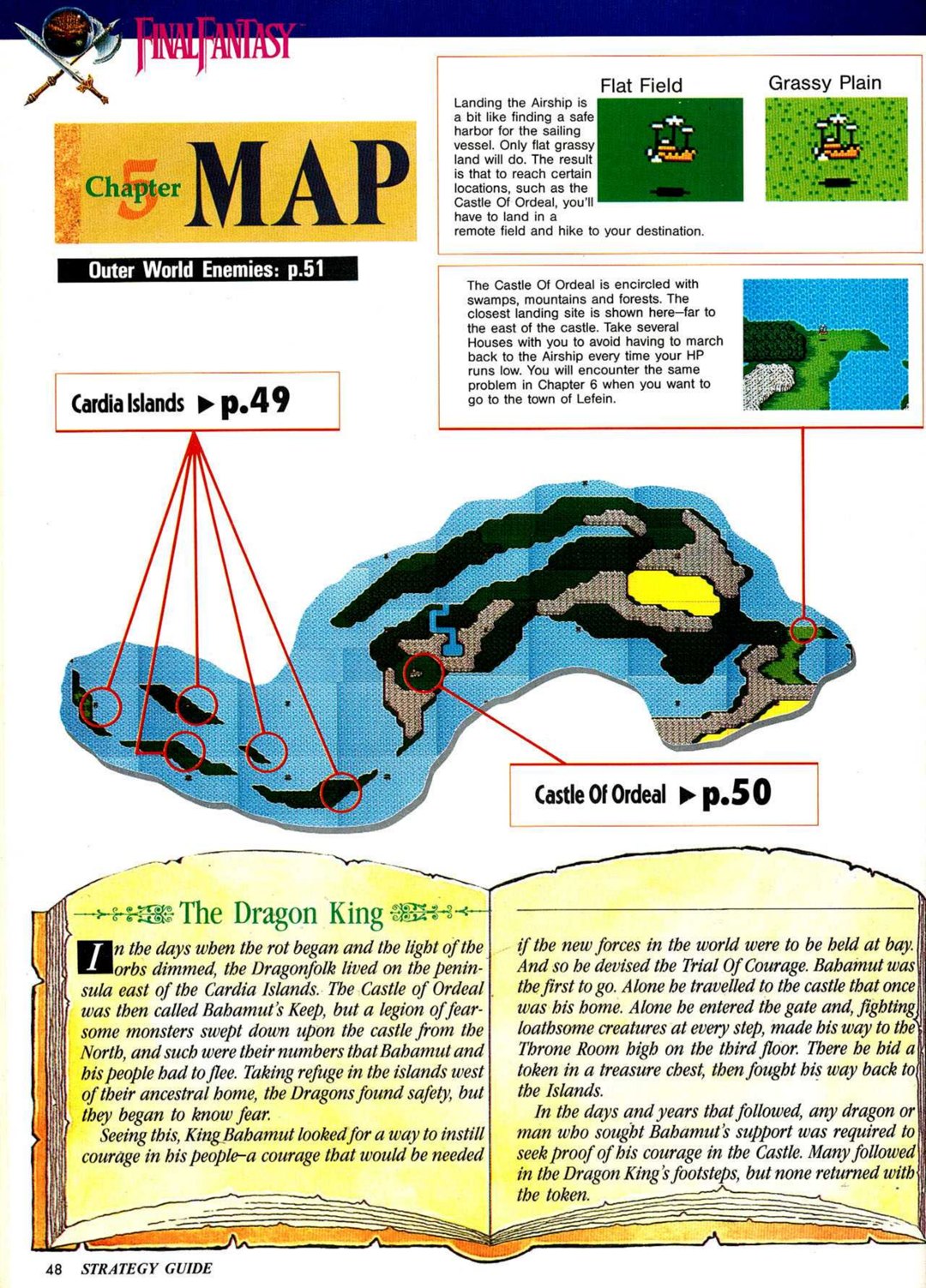
The map itself is your tempo tool. Use it to avoid redundant loops, prioritize high-value intersections, and minimize low-reward wandering. Every unnecessary corridor increases attrition risk, especially in stretches where healing windows are sparse. This is where visual guides remain elite: they help you convert geography into practical pacing.
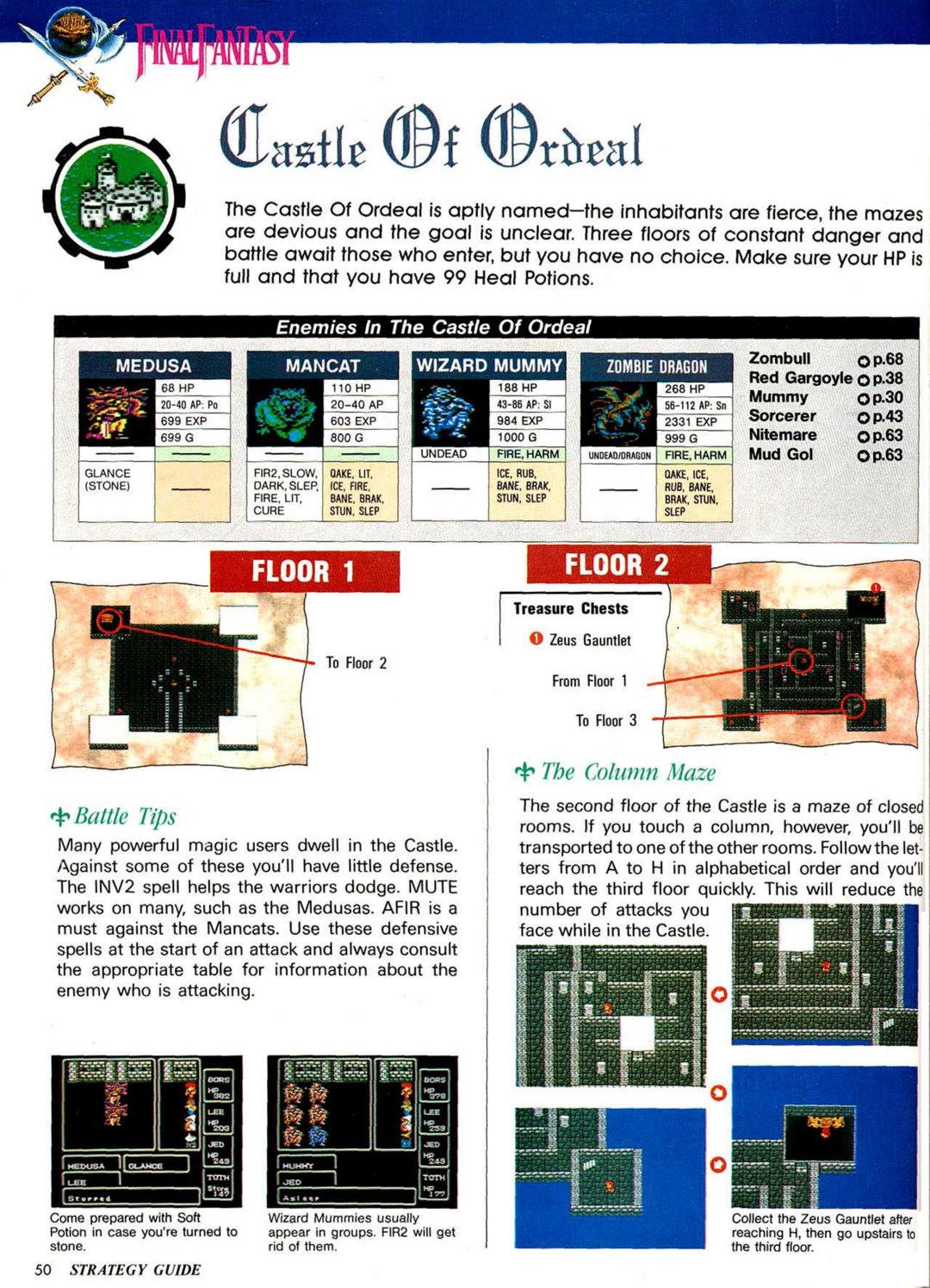
If you blend route clarity with combat discipline, FF1 dungeons stop feeling random and start feeling strategic. That shift is deeply satisfying—and it is a big reason veteran players keep coming back. The game rewards planning, and these classic guide layouts still teach that lesson better than most modern quick-tip content.
Another high-impact adjustment is post-fight housekeeping discipline. After hard encounters, immediately normalize your state: check consumables, reassess route confidence, and decide whether to continue or reset from a safe node. This takes seconds but prevents snowball mistakes. In older RPG systems, small inefficiencies compound quickly; disciplined resets keep your run coherent.
When players say FF1 feels “swingy,” what they often mean is that they are making route decisions from a destabilized state. Tighten that loop, and the game suddenly feels fairer, smarter, and more strategic.
That is the standard going forward: strong context, clear utility, and visual support that improves reading instead of interrupting it.
 Instagram
 TikTok
 YouTube
 Facebook
 X
X Mastodon
 Bluesky