
Replaying Final Fantasy I in 2026 is less about “can you beat it?” and more about “can you keep momentum?” The game is classic for a reason, but it can absolutely punish scattered planning. The fix is not over-leveling. The fix is route discipline: objective-first movement, efficient town loops, and intentional risk windows.
Start by splitting your run into phases: stabilization, expansion, and conversion. Stabilization is your early game economy—gear, spells, and survivability. Expansion is where map knowledge pays off: you push farther while maintaining escape options. Conversion is late-game execution, where you cash in all your prep with clean objective chaining instead of random detours.
The second pillar is party economy. Whether you prefer a balanced setup or a more aggressive composition, the principle is the same: spend gil and spell slots where they preserve pace. Avoid purchases that look exciting but do not improve the next objective block. FF1 rewards practical upgrades more than vanity loadouts, especially in sections where attrition matters.
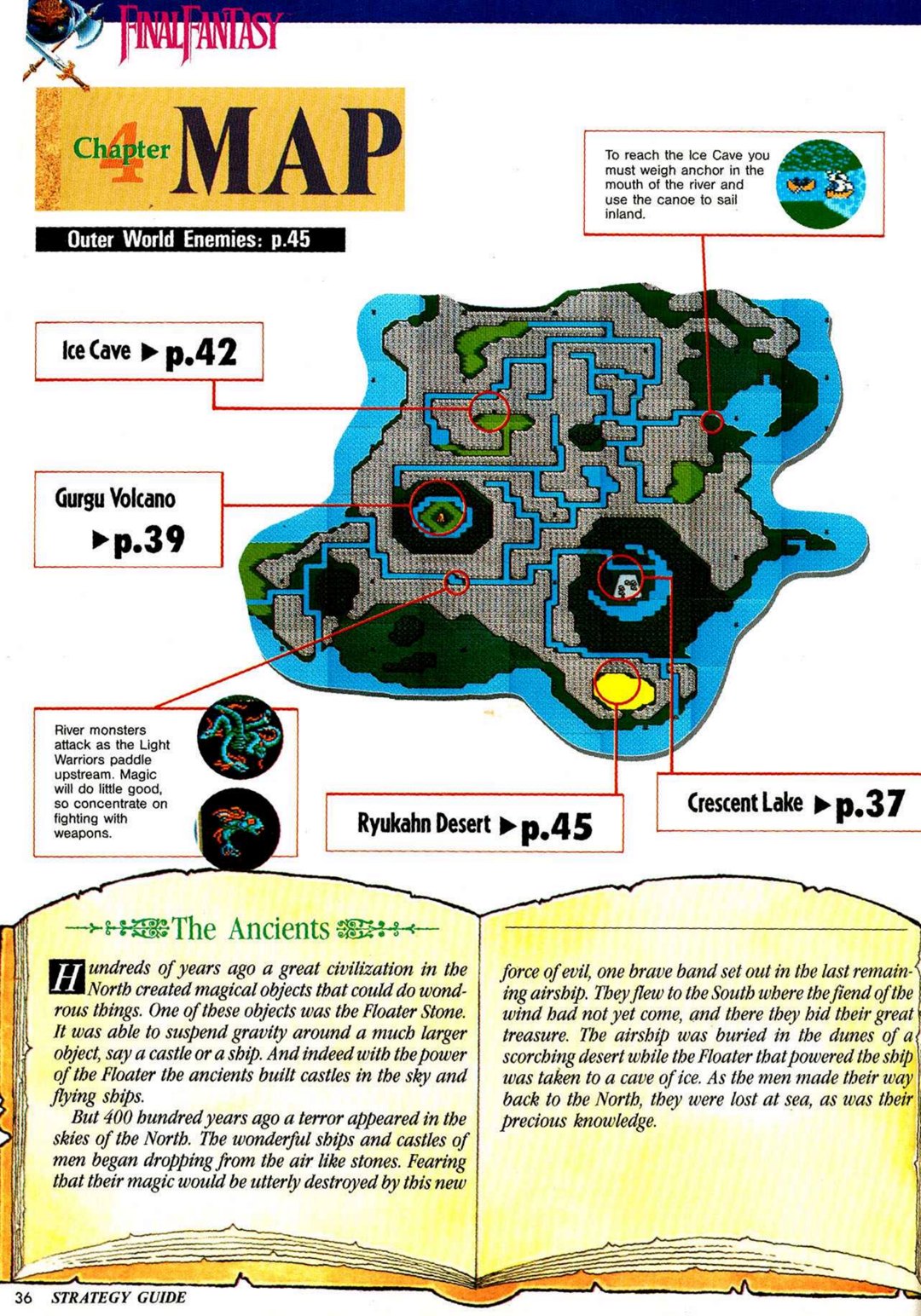
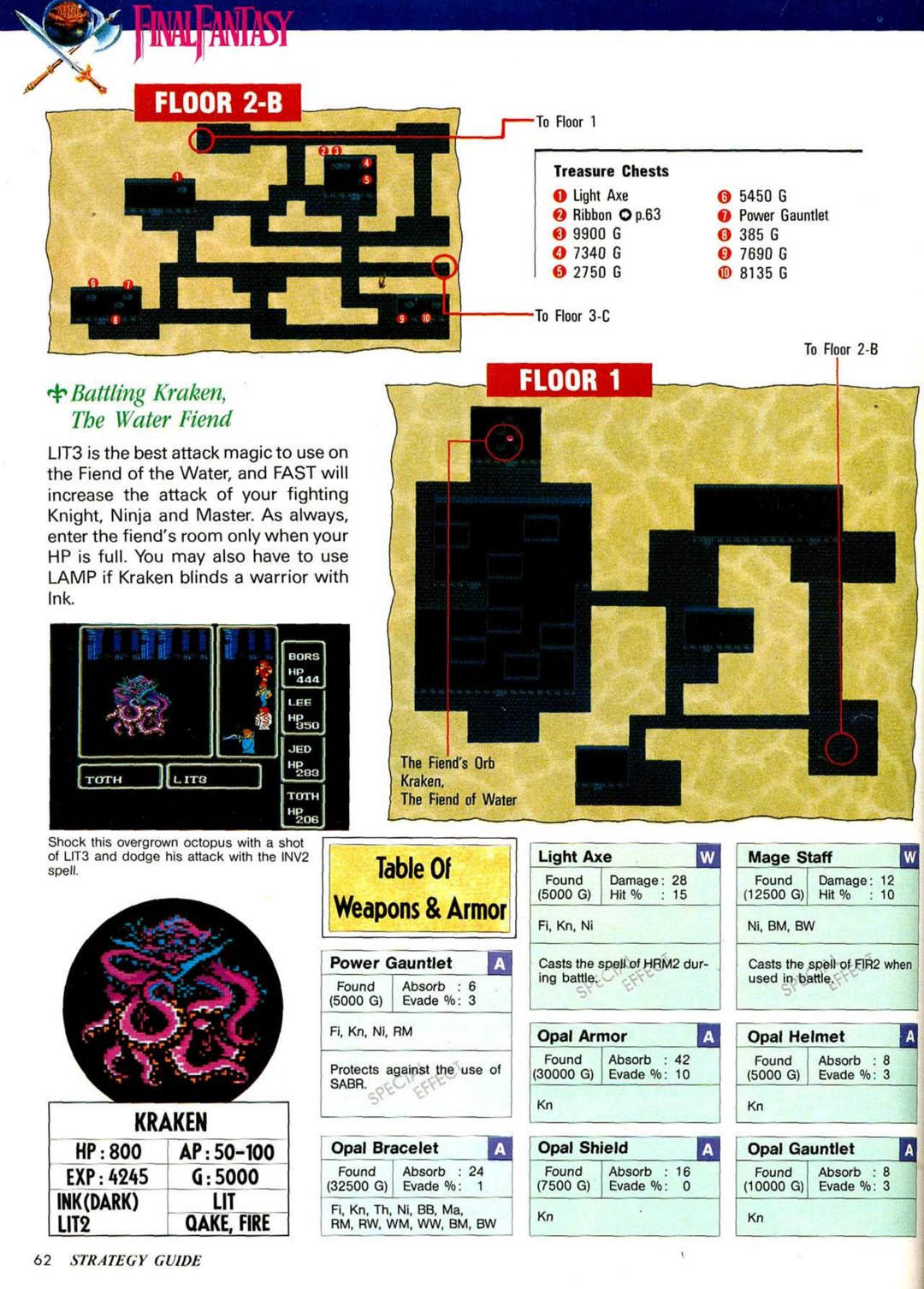
Third: treat map checks as risk management, not homework. A quick glance before entering high-friction zones saves more time than reactive backtracking after a bad run. This is where guide visuals still outperform many modern text-only walkthroughs—they communicate route confidence instantly.
If your old memories of FF1 include getting lost, underprepared, or stuck in gold loops, this framework fixes that without stripping the game’s charm. You still get tension, discovery, and clutch moments. You just remove the avoidable friction so the adventure feels deliberate from Cornelia to Chaos.
To make the framework actionable, treat each play session like a mission card: one objective, one fallback town, one gear checkpoint. When those three are defined before you start, decision fatigue drops immediately. You stop asking “what now?” and start asking “what is the cleanest next move?” That mindset is the difference between nostalgic frustration and nostalgic flow.
And yes, this still leaves room for discovery. The framework is not a rigid script. It is a backbone that protects pacing while giving you freedom to explore when resources and positioning are favorable.
That is the standard going forward: strong context, clear utility, and visual support that improves reading instead of interrupting it.
 Instagram
 TikTok
 YouTube
 Facebook
 X
X Mastodon
 Bluesky