

Image credit: Draft web reference from nowtv.com
Game of Thrones S3E4 “And Now His Watch Is Ended” episode guide
Game of Thrones S3E4 “And Now His Watch Is Ended” episode guide coverage belongs near the center of any serious series compendium, because this is the hour where patience gives way to motion. Allies reveal themselves, enemies lose control, and a few storylines stop circling the drain and finally snap into place. The episode is built around two kinds of power: the kind that is inherited and the kind that is taken in a single, ruthless move.
That makes it one of the season’s most important pivots. The political map changes in Meereen. The Night’s Watch grows more unstable instead of more secure. Bran’s strange gifts take another step toward mythic territory. Even scenes that look quiet on the surface are doing heavy work for the larger series.
Quick recap: what happens in the episode
The episode splits its attention between the Wall, the Riverlands, and Meereen, but the emotional center is the same in every thread: people act, and the consequences arrive immediately.
At the Wall, Sam and Gilly continue south with the baby, a journey that keeps underscoring how fragile the realm is once winter and the dead are no longer just stories. Bran’s party encounters the consequences of loyalty, hunger, and fear as the group presses deeper into the wilderness. Meanwhile, Jon’s position among the wildlings remains precarious, shaped by the performance he has been forced to maintain and the danger of being exposed.
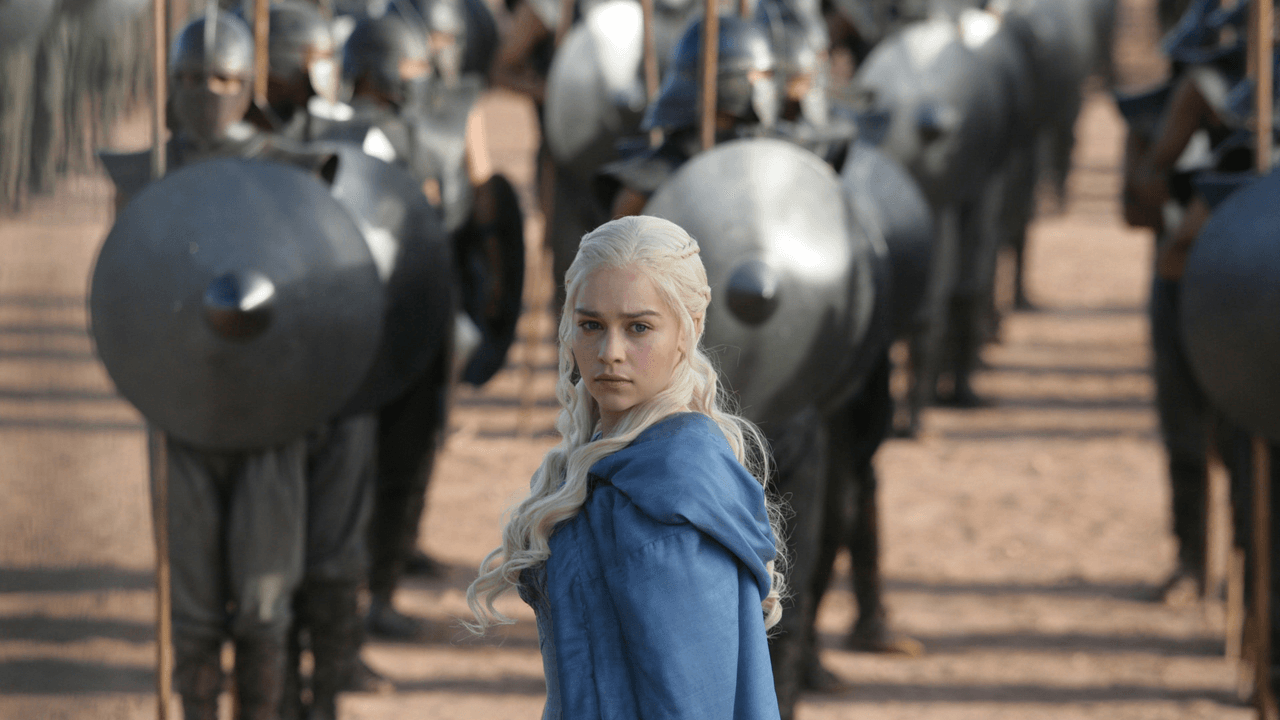
In Meereen, Daenerys’ plan stops being theoretical. Instead of simply gathering support, she turns the city’s power structure inside out with one decisive move that depends on timing, trust, and the fact that her enemies underestimate her. The result is not just a victory; it is a full political takeover.
Why the Meereen sequence matters
The Meereen material is the episode’s clearest statement about leadership in Game of Thrones: a throne is not secured by intention, but by action that leaves the other side too shocked to respond.
Daenerys does not win because she has the largest army in the room. She wins because she understands the room. She listens, studies the weak points, and lets her opponents believe they are controlling the terms. Then the ground shifts.
This is also where the series starts showing the difference between liberation and governance. Taking a city is not the same as ruling one. The episode gives Daenerys one of her sharpest victories so far, but it also plants the harder question that follows her for seasons: what happens after the gates open?
Key character moves in Meereen
- Daenerys moves from outsider to commander in a single stroke.
- Her advisors prove useful, but the episode makes clear that she is the one choosing the tempo.
- The masters lose the initiative because they never imagine a slave can become the strategist in the room.
- The moment reads as both triumph and warning: every conquest creates a future obligation.
The Wall: fear, discipline, and collapse from within
If Meereen is an explosion, the Wall is a slow fracture.
The Night’s Watch is supposed to be a stabilizing force, but this episode keeps showing how thin that ideal really is. Men are tired, underfed, and split between duty and self-preservation. Sam’s journey with Gilly and the baby brings that vulnerability into plain view. The Watch is no longer a single order with a single purpose; it is a collection of frightened men trying to survive the end of an age they barely believe in.
That matters because the Wall is where the series’ supernatural stakes stop feeling abstract. Every scene up north is part military crisis, part moral test, and part warning that old institutions are too brittle to face what is coming.
Bran, the road north, and the first real shape of the supernatural thread
Bran’s storyline keeps moving away from feudal politics and toward something older, stranger, and more dangerous. That shift is important because it gives the series a second engine.
By this point, the show is no longer just about who rules Westeros. It is also about what kind of power existed before the kingdoms were built, and what returns when the old stories are no longer dismissed as bedtime legends.
This episode pushes that idea forward without overexplaining it. Bran’s path, the hints around his strange abilities, and the growing sense that the forest itself remembers more than people do all help widen the world. The series becomes bigger here—not just geographically, but spiritually.
Lore implications: what this episode teaches us
The best lore episodes are the ones that do not pause to lecture. They let the world build itself through consequences, and that is exactly what happens here.
1. Magic is becoming practical again
For much of the early series, magic sits on the edges: whispered about, doubted, or treated like a relic. In this episode, it is beginning to act on the world again. The story does not need a long speech to prove it. It just needs people making choices that would not be possible in a fully ordinary medieval drama.
2. Leadership is tied to spectacle as much as legitimacy
In Meereen, authority depends on who can command the room. In the North, authority depends on who can survive the road. In King’s Landing’s shadow, authority depends on whether anyone can tell the difference between real loyalty and convenient obedience.
3. The old order is failing in multiple places at once
The episode’s deeper warning is structural. The institutions that once held the world together are compromised everywhere: by fear, by pride, by secrecy, or by sheer exhaustion.
Standout scene: the turning of Meereen
The episode’s signature scene lands because it is not just a reveal; it is a reversal.
Everything about the setup suggests a controlled negotiation, a familiar power imbalance, and another day in which the powerful talk while the powerless wait. Then the true plan becomes visible, and the entire hierarchy flips. It is one of the season’s cleanest demonstrations of tactical storytelling: the scene works because the audience can see, in hindsight, how carefully the pieces were arranged.
It is also memorable because it gives Daenerys a victory that feels earned rather than convenient. She is not rescued by chance. She chooses the moment and owns the result.
The ending: what changes by the final beat
By the end of the episode, several storylines have crossed a line they cannot uncross.
Daenerys is no longer merely gathering strength; she has seized it in public, and everyone in her orbit must now respond to that fact. At the Wall, the fragility of the Watch and the danger beyond it remain unresolved, which is its own kind of cliffhanger. Bran’s journey continues to pull the series toward the supernatural, reminding viewers that the world’s deepest threats are not always the most visible ones.
The ending matters because it rearranges expectations. Characters who seemed reactive begin to act. Characters who appeared secure begin to look exposed. The season feels bigger after this hour, but also more dangerous.
Why this episode matters to the larger series
If you are building a full Game of Thrones compendium, this is one of the episodes that deserves a clear place in the chain. It matters for three reasons.
First, it gives Daenerys one of the decisive victories that defines her rise. Second, it continues the show’s slow conversion from political drama into something governed by ancient forces and long memory. Third, it reinforces a core series truth: almost no victory comes without a cost that appears later.
That combination makes the episode feel like a hinge. It is not just a good installment. It is a structural one.
What new viewers should remember next
If you are moving into the next episode, keep these points in mind:
- Daenerys has crossed from planning to rule-making.
- The Night’s Watch is strained and vulnerable.
- Bran’s storyline is moving deeper into the mythic side of the series.
- The series is linking political power with supernatural threat more tightly than ever.
- A major win in this world usually creates the conditions for a worse problem later.
Final take
Game of Thrones S3E4 “And Now His Watch Is Ended” episode guide coverage has to account for more than one big twist, because the episode is doing more than delivering twists. It is reordering the board. That is why it still stands out: not for shock alone, but for the sense that the story has entered a new phase and there is no easy way back.
If this episode hits differently for you on rewatch, or if you think another scene best defines the hour, share your take in the comments.