

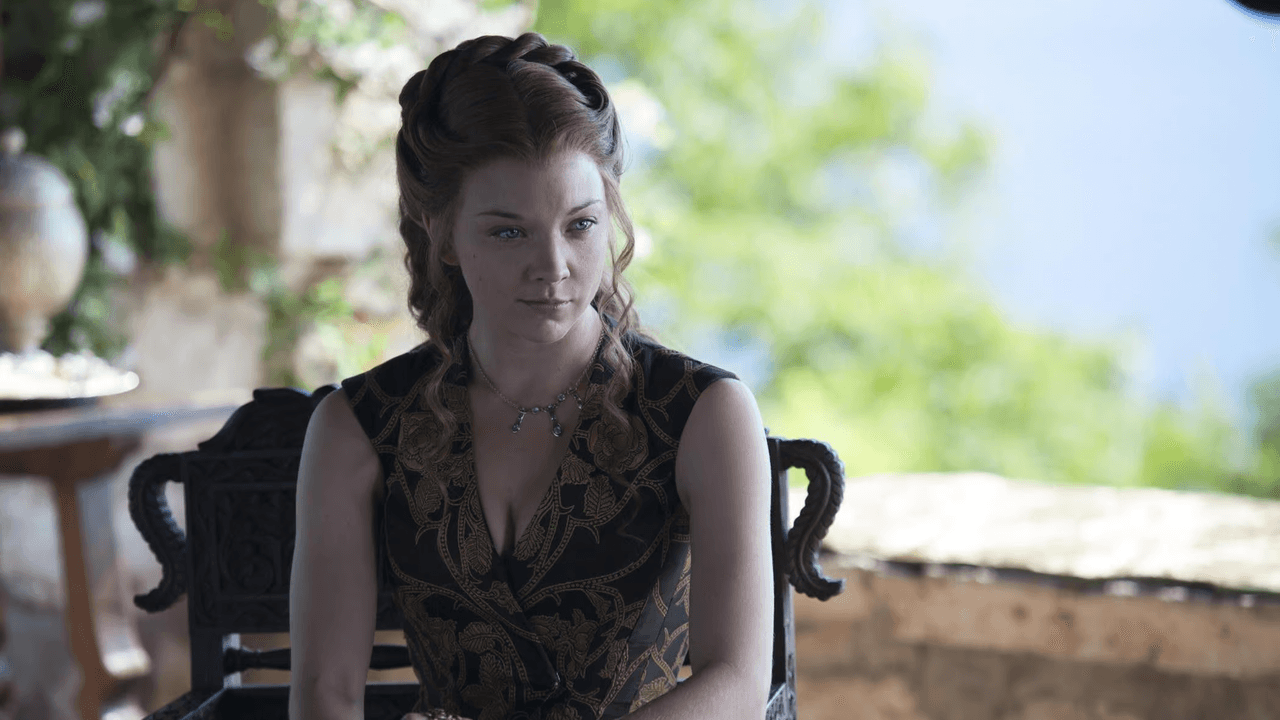
Image credit: Draft web reference from slantmagazine.com
Chain Breaks, Thrones Hold: Game of Thrones S4E3 “Breaker of Chains” Episode Guide
Game of Thrones S4E3 “Breaker of Chains” episode guide readers are in for one of those episodes that quietly resets the board while everyone is still staring at the damage from the previous battle. The title sounds ceremonial, but the hour is mostly about consequence: what happens after power is seized, after a lie hardens into law, and after characters discover that winning often creates a new prison.
This episode is built on reversals. In King’s Landing, grief and cruelty keep colliding. At the Wall, duty tightens into desperation. Across the Narrow Sea, Daenerys faces the practical problem of ruling more than she expected to conquer. And scattered through the hour is the same uneasy question: what does freedom actually look like when every system around these characters is designed to take it away?
What happens in “Breaker of Chains”
The episode opens in the immediate aftermath of Joffrey’s death at the Purple Wedding, and the shock has not cooled into strategy yet. King’s Landing is a city of accusation, panic, and raw nerves. Tyrion is already the easiest target, and his marriage to Sansa has become a trap that everyone understands except the people most trapped inside it.
Sansa’s escape from the capital begins to take shape through the help of Petyr Baelish, who has a talent for looking like a rescuer while still controlling the terms of escape. Their flight does not feel triumphant. It feels like removal from one danger into another, which is exactly how Baelish works.
Meanwhile, at the Wall, Sam and Gilly’s hard-won safety is not especially safe. The episode sharpens the contrast between political chaos in the south and existential danger in the north. The Night’s Watch remains understaffed, underprepared, and increasingly exposed to threats they can barely name, let alone stop.
In the Riverlands, Brienne and Jaime continue their grim journey, and the balance between them shifts again. He is no longer the untouchable Kingslayer of legend; he is a wounded man whose stories no longer protect him. She is still armed with duty, but duty has become messier now that she has seen more of the world’s compromises up close.
Across the sea, Daenerys arrives in Meereen and immediately collides with the limits of conquest. The city is not simply waiting to be taken. It is a place with its own values, defenses, and history, and her path from liberator to ruler is already forcing her to reckon with the difference between overthrowing power and governing it.
The King’s Landing fallout: power after poison
The strongest political material in the episode comes from the question of who gets blamed and who gets to shape the story. Joffrey’s death creates a vacuum, and the Lannister machine responds the way it always does: by protecting the throne first and the truth never.
Tyrion’s position is especially precarious because he is useful only until he becomes inconvenient. He is smart enough to understand this, which makes the accusation atmosphere around him even colder. The episode is a reminder that in Westeros, intelligence does not protect you from scapegoating; it often makes you more threatening.
Sansa’s role is quieter but just as important. She has spent so long being moved by other people’s plots that the idea of escape is almost abstract. When she finally begins to move, it is not because the system has become kinder. It is because one manipulator has decided she is more useful elsewhere.
Why this matters
- The Lannister regime is weaker than it looks.
- Tyrion’s survival becomes more uncertain.
- Sansa’s story leaves King’s Landing in a new direction.
- Petyr Baelish proves again that chaos is his preferred currency.
Game of Thrones S4E3 “Breaker of Chains” episode guide: the Wall and the cost of readiness
A good Game of Thrones S4E3 “Breaker of Chains” episode guide has to give the Wall its due, because this part of the episode captures one of the series’ core strengths: it can make political collapse in the south feel connected to military dread in the north without forcing the issue.
The Night’s Watch is still trying to function like an order rather than a collection of exhausted men standing in the cold. Sam’s scenes matter because he represents a kind of courage the show often celebrates but rarely rewards quickly: practical, unglamorous, and usually invisible until the day it keeps someone alive.
The Watch’s problems are not just about numbers. They are about trust, memory, and the inability of institutions to adapt before crisis arrives. That is a recurring Westeros theme, and the Wall is where the idea becomes most literal.
Daenerys in Meereen: liberation meets administration
Daenerys’s storyline in this episode is one of the most important in the season because it widens the meaning of her campaign. Conquest is easy to understand in the language of drama. Ruling is harder, messier, and much more revealing.
In Meereen, she is not simply arriving as the breaker of chains in a symbolic sense. She is walking into a city whose political and moral order has to be handled, not just shattered. That distinction becomes central to her arc going forward.
The episode plants one of the series’ most enduring questions: when a ruler presents herself as a liberator, what happens when the liberated people do not automatically agree on what freedom should look like? The answer is rarely elegant, and that is what makes these scenes feel like the start of a larger moral test.
Lore and worldbuilding implications
This section of the story expands the series’ view of Slaver’s Bay beyond spectacle. Meereen is not just another stop on Daenerys’s map. It is a functioning political world with customs, symbols, and status rules that complicate her approach. That matters because the show is moving her from conqueror to state-builder, and those are very different narrative jobs.
Jaime and Brienne: the road keeps changing them
By this point in the series, Jaime and Brienne’s pairing has become one of its most reliable pressure points. Each understands the other less than the audience might expect, but both are forced to reconsider old certainties.
Jaime’s confidence has always been tied to reputation, skill, and a lifetime of being treated as a fixed point. Travel strips that away. Injury strips it further. What remains is a man who must live inside the version of himself that other people have long used against him.
Brienne, meanwhile, keeps proving that integrity is not the same as naivety. She can be rigid, but she is not simple. The episode uses her to show how honor survives when the world refuses to reward it cleanly.
Standout scene energy: why the episode lands
The best moments in “Breaker of Chains” do not rely on one giant twist. They work because they sharpen the season’s emotional logic.
A few scenes stand out for different reasons:
- The capital’s panic shows how quickly a court turns on itself once the center cracks.
- Sansa’s movement toward escape gives her a rare moment of agency, even if it is fragile.
- The Wall material keeps the wider threat alive without turning the episode into mere setup.
- Daenerys in Meereen reframes her entire campaign as governance, not just revolt.
What ties these scenes together is pressure. Every major character is being pushed into a form of truth they cannot delay anymore.
The ending: no clean victory, only new obligations
The episode does not end on a single spectacular break. Instead, it ends the way Game of Thrones often does when it is at its most effective: with a sense that the world has moved, and that movement is about to cost someone dearly.
Tyrion’s circumstances continue to darken. Sansa’s path changes. Daenerys’s arrival in Meereen opens a new chapter that is more politically difficult than the last. At the Wall, danger remains an approaching reality rather than a distant rumor. The final effect is less “everything is solved” and more “the next crisis is already here.”
That is the episode’s real meaning. Chains can be broken, but power rarely disappears with them. It just changes hands.
Why “Breaker of Chains” matters to the larger series
This episode matters because it connects three of the show’s biggest long-term themes:
- The instability of power — Thrones look permanent until the people holding them start panicking.
- The cost of liberation — Ending one system does not automatically produce a better one.
- The gap between identity and role — Tyrion, Sansa, Jaime, Brienne, and Daenerys are all being forced into versions of themselves they did not entirely choose.
It also functions as a hinge episode. The first part of Season 4 is about the shock of the wedding and the consequences of old feuds. This hour pushes the story into a more active phase, where characters are no longer just reacting to damage. They are making moves that will shape the rest of the season.
For new viewers building a watch guide, this is a good episode to watch for the following reasons:
- it clarifies how fragile King’s Landing really is;
- it advances Sansa’s escape storyline;
- it deepens the political meaning of Daenerys’s arc;
- it keeps the Wall storyline tied to the series’ larger stakes;
- it shows how the show balances intimate character work with broad power shifts.
Final takeaway
“Breaker of Chains” is not one of the loudest episodes in Game of Thrones Season 4, but it is one of the most structurally important. It takes the emotional residue of earlier shocks and turns them into new trajectories. That is exactly what a strong compendium guide should flag: not just what happens, but why the hour changes the game.
If you’re working through the series episode by episode, this one is worth a careful rewatch. It lays track for the political unraveling ahead, while quietly reminding you that every escape, victory, and conquest comes with a cost.
If you have your own read on the episode, or a favorite scene that changed how you saw these characters, share it in the comments.