

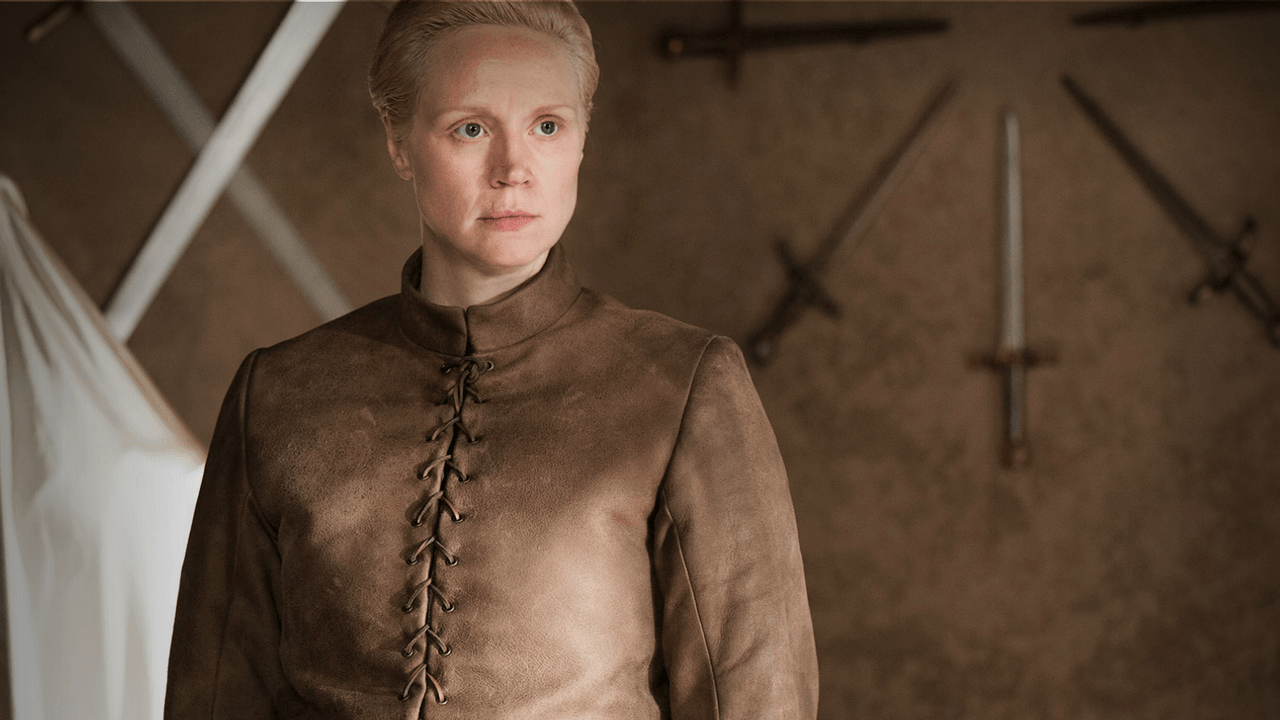
Image credit: Draft web reference from forbes.com
Why Game of Thrones S4E4 “Oathkeeper” Changes the Board
Game of Thrones S4E4 “Oathkeeper” episode guide material matters because this is one of those midseason chapters that looks like a setup hour until you trace the consequences. The episode moves quietly in some places and brutally in others: a sword changes hands, alliances harden, revenge gets redirected, and the war for the realm keeps sliding into darker, more personal territory. If you are building a full series compendium, this is the kind of episode you need mapped carefully.
What makes “Oathkeeper” so useful to remember is not just where it lands, but how it rearranges the logic of the season. It pushes several major characters out of emotional waiting rooms and into decisions that will matter for the rest of the story. The episode also gives the audience a better look at how power works in Westeros: not as a clean chain of command, but as a mix of guilt, inheritance, leverage, and unfinished promises.
Game of Thrones S4E4 “Oathkeeper” episode guide: the short version
The episode tracks four big lanes at once:
- In King’s Landing, Tyrion’s situation tightens as the court keeps treating him like a problem to be managed rather than a man to be heard.
- At the Wall and beyond it, the fallout from the wildling conflict grows more dangerous, with the Night’s Watch facing the cost of every choice it has made.
- In the Riverlands and the north, Brienne and Podrick begin a mission shaped by vows, grief, and the sense that some promises are heavier than others.
- Across the political board, houses and commanders keep positioning themselves for the next phase of the war, even when they pretend they are simply reacting.
That combination makes “Oathkeeper” feel less like a standalone chapter and more like a hinge. It is about obligations—who keeps them, who breaks them, and who gets hurt when they are treated as disposable.
The episode recap: what happens in “Oathkeeper”
King’s Landing keeps its poison in a velvet glove
Tyrion remains trapped in the machinery of power after the murder trial fallout and the court’s endless appetite for humiliation. The important thing here is not a single explosive confrontation so much as the atmosphere around him. Every interaction reminds viewers that status in King’s Landing is conditional. The city does not merely punish weakness; it weaponizes it.
You can feel how isolated Tyrion has become. He is still intelligent, still sharp, still capable of seeing the room better than nearly anyone in it, but the room no longer cares. That emotional isolation is part of the episode’s larger architecture: each storyline is about someone discovering that their moral center may not be enough to protect them.
The Wall: duty keeps cracking under pressure
North of the realm’s formal center, the Night’s Watch continues to absorb the consequences of the conflict with the wildlings and the growing sense that the wall itself is no longer a stable line between order and chaos. The episode does not need a giant battle to make the threat feel real. Instead, it emphasizes strain: bad numbers, bad options, and men trying to pretend they have more control than they do.
That is one reason this episode lands well in a compendium. It shows how Game of Thrones often builds tension through administrative collapse as much as through swords. A fortress can look formidable and still be functionally fragile.
Brienne and Podrick begin the journey that gives the episode its title energy
The episode’s most title-relevant development is the assignment of Brienne to search for Sansa and Arya, a mission rooted in oath-making and the idea that honor can be acted upon even in a world that mocks it. She is provided with armor, support, and a sense of purpose, but the deeper point is symbolic: the story is handing a moral burden to someone who still believes it matters.
Podrick’s presence gives the quest a strange balance. He is loyal, observant, and clearly not the stereotypical knightly figure the world expects. That contrast is important. In Game of Thrones, the people most committed to honor are often the ones who look least prepared to survive the consequences of honoring it.
The title “Oathkeeper” points directly at this thread. It is not just about a sword. It is about whether a promise can survive in a broken political ecosystem.
Jaime and Brienne’s bond deepens in a way that matters later
Even if the episode is not the loudest hour in the series, it sharpens the emotional logic between Jaime and Brienne. Their dynamic has been one of the show’s most interesting because it constantly complicates the easy categories Westeros likes to use. Knight, captive, oath-bound companion, reluctant ally—those labels keep failing to capture what is really happening.
By this point, viewers should be paying attention to how the series keeps turning honor into a pressure test. Jaime, of all people, becomes a character whose actions cannot be judged by his reputation alone. Brienne, meanwhile, stands as one of the few figures willing to treat words as binding even when the culture around her does not.
The key character moves to watch
Tyrion: from public figure to political liability
Tyrion’s arc in the episode is less about action than enclosure. He is no longer steering events; he is being contained by them. That is crucial because it marks the transition from a politically active Tyrion to a man whose intelligence must now work inside a cage.
Why this matters later:
- His isolation changes how he reads allies and enemies.
- It raises the emotional cost of every later decision.
- It reinforces the show’s recurring idea that competence does not guarantee safety.
Brienne: vows become a road map
Brienne takes on a mission that should be impossible and does it anyway. That is classic Brienne, but the episode gives the choice a clearer shape. She is not chasing glory. She is following obligation.
Why this matters later:
- Her journey pulls multiple storylines together.
- It elevates the importance of the Stark daughters in the series’ moral geography.
- It turns a knightly ideal into a long-form plot engine.
Jaime: reputation versus reinvention
Jaime’s role in the episode continues the slow process of separating who he is from who people say he is. That split is one of the series’ most important long arcs. “Oathkeeper” matters because it keeps putting him in contexts where his choices matter more than his legend.
The watchmen and commanders: survival over nobility
At the Wall, the emphasis is practical and brutal. Men are not debating ideals so much as figuring out how to keep the next disaster from arriving all at once. That shift is part of what makes the episode feel like a midpoint between larger shocks.
Lore implications and larger-series connections
The meaning of the sword is bigger than the metal
The episode’s title is easy to read literally, but the real lore implication is thematic. In Westeros, named weapons often become shorthand for inherited purpose. Here, the idea of the sword as a vessel for oath and duty matters because it reframes violence as a promise with a shape.
That is especially important in a story where arms, banners, and family histories constantly stand in for moral legitimacy. A blade can be a symbol of protection, revenge, inheritance, or false nobility depending on whose hands hold it.
The north is still fractured, even when the map looks settled
“Oathkeeper” sits in the aftermath of major upheaval, but the political world is still unstable. The North remains divided by memory, revenge, and competing claims to loyalty. The episode keeps reminding viewers that the war was never just about crowns. It was about whether anyone can hold a realm together once trust has been spent.
The Wall remains one of the series’ smartest pressure points
The wall is more than a defensive structure. It is a narrative meter for the show’s broader anxiety: how long can a civilization keep pretending danger is held at the edge? Every time the Night’s Watch appears strained, the series is warning the audience that formal institutions are only as strong as the people who still believe in them.
Standout scenes and why they hit
A strong episode guide should separate plot from impact, and “Oathkeeper” has a few moments that do a lot of work:
- The sword transfer and the vow logic around it: This scene matters because it transforms an object into a mission.
- Tyrion’s constrained position: Not flashy, but devastating in how thoroughly it closes in on him.
- Brienne accepting the quest: One of the clearest statements the series makes about honor surviving pressure.
- The Wall’s ongoing tension: The episode uses restraint rather than spectacle to make the danger feel inevitable.
What ties these scenes together is patience. The episode trusts viewers to understand that a quiet decision can be as important as a battlefield outcome.
Why “Oathkeeper” matters in the bigger series
This episode is important because it helps define the show’s central contradiction: everyone claims to value honor, but almost no one can afford it. In that sense, “Oathkeeper” is one of the series’ most representative chapters. It does not solve a problem or deliver a major victory. Instead, it clarifies the stakes.
By the end of the episode, several truths are hard to ignore:
- The court is still feeding on weakness.
- The Wall is still under long-term threat.
- The North’s loyalties are still unsettled.
- Brienne’s sense of duty is becoming a major plot force.
- Jaime and Tyrion’s paths are diverging in ways that will shape the rest of the season.
That is why the episode deserves a clean place in any full Game of Thrones compendium. It is a connector episode, but not a disposable one. It plants emotional and political markers that the series keeps cashing later.
What new viewers should remember next
If you are watching the series for the first time, keep these points in mind after “Oathkeeper”:
- Promises matter more than speeches. In this story, people often reveal themselves by what they continue to carry.
- Brienne’s quest is not side material. It becomes one of the show’s most meaningful honor-driven threads.
- Tyrion’s danger is now structural. He is not just in trouble; he is inside a system that wants him manageable, silent, or gone.
- The Wall is not stable. Treat every scene there as part of a larger collapse in progress.
- Objects can carry plot weight. Weapons, vows, and symbols in Game of Thrones are rarely just props.
The bottom line
Game of Thrones S4E4 “Oathkeeper” episode guide readers should think of this hour as a quiet pivot with long consequences. It is not the loudest episode of the season, but it is one of the most structurally important. It deepens the meaning of vows, sharpens the political pressure around Tyrion, and sends Brienne into a mission that will echo far beyond this episode.
If you are tracking the series carefully, this is the kind of chapter that looks modest on first watch and becomes more valuable the longer the story goes on.
What did you make of “Oathkeeper”—and which character move stuck with you most? Share your thoughts in the comments.