

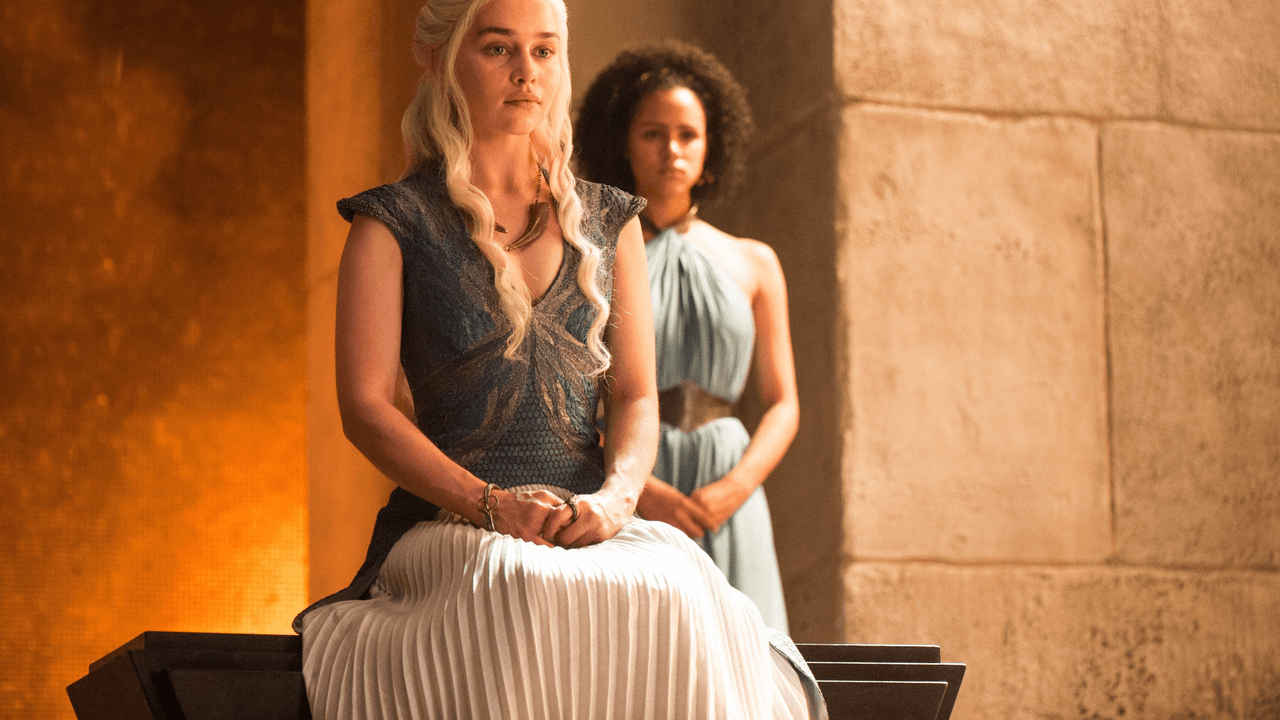
Image credit: Draft web reference from ibtimes.com
Game of Thrones S4E8 “The Mountain and the Viper” episode guide
The Game of Thrones S4E8 “The Mountain and the Viper” episode guide matters because this is the hour when a courtroom drama becomes a blood sport, and a blood sport becomes a thesis statement for the entire series. The episode builds toward one of the show’s most infamous reversals: a fight that looks like it might deliver justice, then destroys the person most determined to seek it.
If you are building a full episode-by-episode compendium, this is one of the season’s essential entries. It advances Tyrion Lannister’s trial, gives Oberyn Martell his defining moment, and reminds viewers that in Westeros, confidence is not the same thing as safety.
What happens in the episode
The episode moves on two tracks: the aftermath of political maneuvering in King’s Landing and the emotional pressure cooker surrounding Tyrion’s trial.
At court, Tyrion’s fate is still hanging in the balance. The case against him has been shaped by hatred, family politics, and a system that is far less interested in truth than in preserving power. Tyrion knows he is being judged by people who have already decided what he is worth.
Across the city and beyond, the episode keeps returning to the idea that every deal has a cost. Jaime and Tyrion’s bond is strained by circumstances, but their history still matters. Cersei, meanwhile, remains committed to control, not reconciliation. The Lannister family is no longer a unit; it is a battlefield.
The episode’s centerpiece is the trial by combat. Oberyn Martell steps forward as Tyrion’s champion, bringing with him not just skill, but a very specific purpose: he wants justice for Elia Martell and her children, and he wants Gregor Clegane to confess before he dies. That demand shapes everything that follows.
Why Oberyn’s move changes the episode
Oberyn is the episode’s most dangerous kind of character: he understands the room, but he also believes he can command it. He enters the fight with speed, intelligence, and fury, and for much of the duel it seems like his strategy might work.
His style matters. He does not fight like a brute, and he does not fight like someone relying on endurance. He probes, talks, and forces Gregor to react. That is part of why the scene lands so hard: it is not just a duel, it is a public argument about memory, revenge, and the cost of underestimating an opponent.
What Oberyn really wants, though, is not only victory. He wants acknowledgement. He wants Gregor to say what was done to Elia. That emotional need becomes the opening the Mountain uses against him.
This is the episode’s central warning: in Westeros, a fight can be lost the instant a fighter values a personal outcome more than the practical one.
The trial by combat, step by step
The duel is staged as spectacle, but every beat is doing story work.
- Oberyn controls the early exchanges. He uses agility and reach to keep Gregor unsettled.
- He uses the fight to accuse. The duel becomes a public indictment of Lannister brutality.
- Gregor absorbs punishment. That endurance is part of what makes him terrifying.
- Oberyn presses for confession. This is the mistake that costs him the match.
- Gregor turns the fight into a trap. Once Oberyn closes in emotionally, Gregor gets the opening he needs.
- The ending is sudden and horrifying. The Mountain kills Oberyn in a way that feels not just violent, but grotesquely final.
This is one of the most talked-about deaths in the series because it is not merely a shock twist. It is a thematic collapse. Oberyn has the truth, the momentum, and the crowd. He still loses.
Tyrion’s fate after the duel
Oberyn’s death does more than end the fight. It seals Tyrion’s immediate future.
Tyrion has been pinned into an impossible position from the moment the accusation landed. The trial by combat is supposed to offer a last chance at justice, but the show makes clear that justice is only available when the right champion wins. Once Oberyn falls, Tyrion’s hope collapses with him.
That outcome matters because it transforms Tyrion’s story from legal peril into existential betrayal. He is not simply defeated; he is abandoned by the logic of the system. The episode pushes him from a man trying to prove innocence into a man who has learned that innocence may never matter.
For a compendium reader, this is a major pivot point. Everything that follows for Tyrion depends on the emotional wreckage of this episode.
Key character moves and what they mean
Oberyn Martell
Oberyn is the episode’s engine. He arrives with the confidence of someone who has already chosen the battlefield inside his own head. He is fighting for his sister, for her children, and for a moral debt that never expired. His tragedy is that he is right about the history and wrong about the moment.
Tyrion Lannister
Tyrion is forced to watch his life get reduced to procedure. He cannot fight for himself, and he cannot control the outcome. The episode makes his vulnerability painfully clear.
Cersei Lannister
Cersei is not a passive observer of events. Her power is rooted in manipulation, family loyalty, and spite, and the episode reinforces how dangerous it is when she gets the outcome she wants.
Gregor Clegane
Gregor is less a character than a weapon in this episode, but that is exactly why he matters. He represents the terrifying reality that brutality can survive intelligence if it is large enough, patient enough, and protected enough.
Jaime Lannister
Jaime’s role is quieter here, but the episode deepens the split between the man he is trying to become and the family structure that keeps pulling him back.
Political fallout in King’s Landing
The duel’s outcome reshapes the balance of power around the Iron Throne.
First, it reinforces the Lannister family’s ability to survive scandal through force rather than legitimacy. Second, it exposes how thin the line is between law and spectacle. Third, it pushes the city into a more unstable moral place: if a public hearing can end in that kind of carnage, then the rule of law is already decaying.
The Martell angle is equally important. Oberyn’s death is not just a personal loss. It is a political insult that reverberates beyond the walls of the city. The Dornish are not a faction that forgets humiliation quickly, and the episode plants the seed of future consequence.
Lore connections and series implications
This episode is rich with lore because it makes the history of Westeros feel active rather than decorative.
The Martell grievance reaches back to the sack of King’s Landing and the murder of Elia Martell and her children. That history has always existed in the background of the series, but here it becomes the driving force of a major plot turn. The show uses Oberyn to remind viewers that old crimes are never buried cleanly in this world.
The trial by combat itself is also a lore-heavy institution. It is supposed to offer divine or at least ceremonial fairness, but the episode shows the flaw in that idea. Ritual does not guarantee justice. It only gives violence a legal costume.
That is why this episode matters so much in the larger series. It connects personal vengeance, noble family history, and the fantasy-world legal system into one devastating sequence.
Standout scenes worth remembering
A few moments define the episode’s staying power:
- Oberyn volunteering as Tyrion’s champion
- The duel’s verbal sparring, which is as important as the blade work
- Gregor’s physical dominance contrasting with Oberyn’s speed and precision
- The moment the fight turns from hope to panic
- The brutal final beat that ends the episode’s central conflict
Each scene has a clear job. None of them are filler. Even the quieter exchanges are building toward the same conclusion: this world punishes certainty.
What new viewers should remember next
If you are watching the series for the first time, keep these takeaways in mind after this episode:
- Tyrion’s situation has fundamentally changed. He is not out of danger just because the trial has ended.
- Oberyn’s death is a political event, not only a personal one. The Dornish response will matter.
- Cersei’s influence is still a major force. Victories in King’s Landing often come with long-term damage.
- Gregor Clegane remains one of the show’s most terrifying instruments of violence.
- The episode is a turning point for how the series handles justice. From here on out, the gap between law and truth feels even wider.
Why this episode matters to the larger series
“The Mountain and the Viper” is one of those episodes that changes the temperature of the whole story. It is not simply memorable because of the ending. It matters because the ending is the point: the show is telling us that righteous anger, careful planning, and political advantage can all be swallowed by a single catastrophic mistake.
For Tyrion, the episode closes one chapter and begins another. For Oberyn, it turns a mission of revenge into a legend of defeat. For the realm, it signals that grievances from the past are still gathering force. And for viewers, it is a brutal lesson in how Game of Thrones builds power: by making every victory feel unstable.
If you are using this as part of a full episode guide, this is the kind of chapter that deserves extra attention. It is a hinge point, a warning, and a payoff all at once.
Final take
The Game of Thrones S4E8 “The Mountain and the Viper” episode guide comes down to a simple truth: the episode is about what happens when justice, revenge, and pride collide in public. It is elegant, merciless, and unforgettable, and it changes the series in a way you can feel long after the credits roll.
If you’ve got a favorite moment from the episode, or a different read on that final duel, share your thoughts in the comments.