

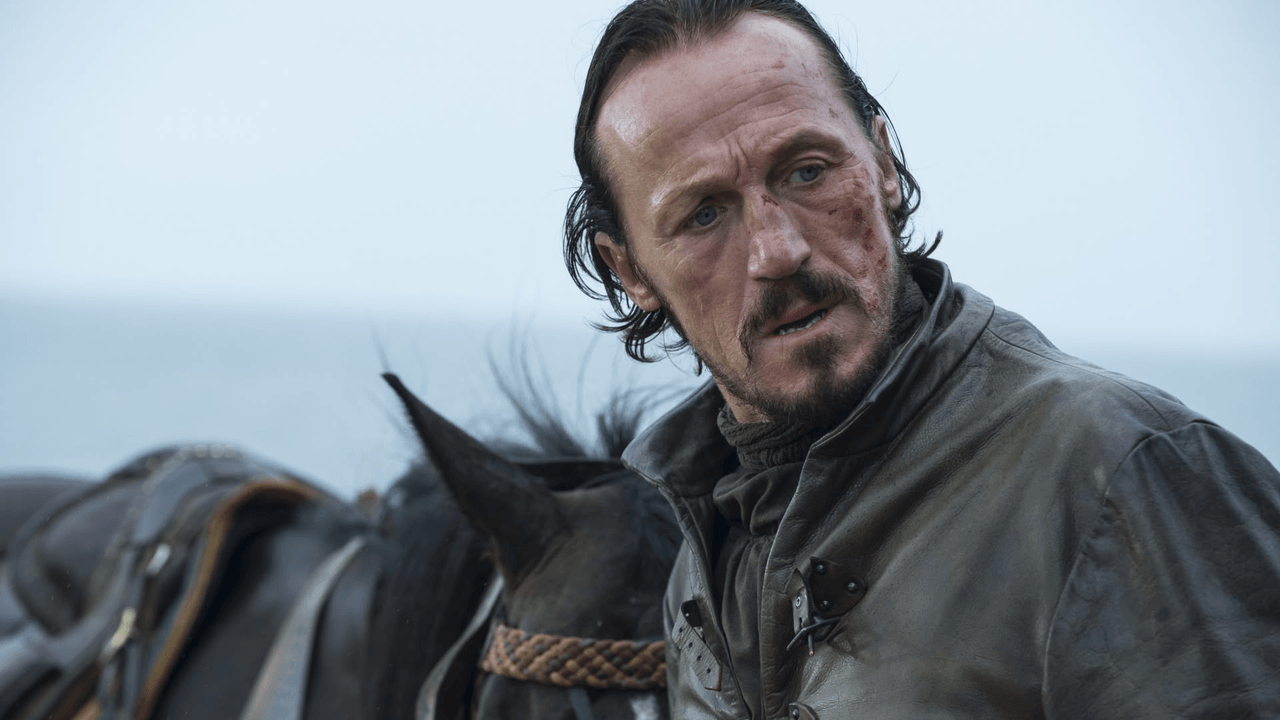
Image credit: Draft web reference from nowtv.com
Game of Thrones S5E4 “Sons of the Harpy” episode guide
If you want the clearest possible Game of Thrones S5E4 “Sons of the Harpy” episode guide, this is the hour to watch closely. Season 5, Episode 4 is where Meereen stops feeling like a hard-won conquest and starts feeling like a trap. The city is fragile, the streets are angry, and every decision Daenerys makes lands with more force than she expects.
This episode matters because it does more than stage an attack. It shows how power collapses when a ruler wins a city but cannot yet hold it, how liberation can curdle into backlash, and how the politics of Westeros and Slaver’s Bay are starting to echo each other. By the time the credits roll, the season has shifted from uneasy governance to open crisis.
What happens in “Sons of the Harpy”
The episode opens in the aftermath of Daenerys’ decision to publicly offer justice and reopen the fighting pits, a political compromise meant to calm Meereen’s elite. It does not calm everyone. The Sons of the Harpy, a masked anti-Targaryen resistance, continue to make themselves felt in the city, and the Unsullied struggle to keep order in streets that are increasingly hostile.
Daenerys tries to rule like a queen rather than a conqueror, but ruling is becoming a test of endurance. She is asked to balance mercy, deterrence, and legitimacy at the same time. That balance gets harder when Ser Barristan brings her advice grounded in old-world honor, while Daario urges a more forceful, practical response. Those two impulses define much of her Meereen story from this point on.
Elsewhere, the show keeps widening the board:
- In King’s Landing, Cersei’s grip on influence remains politically strong even as family tensions deepen.
- In Dorne, Ellaria Sand and the Sand Snakes continue to promise a more aggressive response to the Lannisters.
- At the Wall and beyond it, Jon Snow’s leadership choices keep pulling him toward larger responsibilities.
- In the Vale, Sansa’s position grows more precarious as Littlefinger’s manipulation becomes harder to ignore.
The result is a busy episode, but not a scattered one. Every thread is about control: who has it, who is losing it, and who can no longer pretend to have it.
Daenerys and the cost of holding Meereen
The emotional center of this Game of Thrones S5E4 “Sons of the Harpy” episode guide is Daenerys. She has already conquered Meereen, but conquest is not governance. The episode makes that distinction brutally clear. The freed slaves see her as a liberator. Many of the old noble families see her as an occupying force. The Unsullied can hold lines, but they cannot create trust.
That tension is the real engine of the episode. Daenerys wants to build something stable, yet every step toward stability seems to create a new enemy. Reopening the fighting pits is a perfect example: it is meant as a concession to local custom and a way to prove she can rule for the city rather than only against it. But compromise, in this case, also looks like weakness to both sides.
What makes her story compelling here is that there is no easy answer. If she rules with fear, she becomes the sort of tyrant she came to overthrow. If she rules with only idealism, the city may tear itself apart before her reforms take root. The episode forces her into the oldest problem of fantasy politics: the moral cost of holding territory after the war is over.
The Sons of the Harpy and the shape of rebellion
The Sons of the Harpy are not just a name dropped for menace. They represent the kind of resistance that grows when a ruling power changes the social order too quickly for the old elite to accept. The masked assassins are terrifying because they are anonymous, organized, and embedded inside the city itself. You cannot simply defeat a mask. You have to uproot a network.
That idea matters for the larger series. Game of Thrones often treats rebellion as either noble uprising or military challenge. Here, the show leans into something messier: insurgency as a reaction to political disruption. Meereen is not merely being attacked; it is being destabilized from within.
This also gives the episode one of its most important tonal shifts. The city’s danger no longer feels abstract. It is intimate, personal, and immediate. Every public decision can trigger a private knife in the dark.
Key character turns worth remembering
Daenerys Targaryen
She moves from triumphant conqueror to uneasy monarch. This is not a small adjustment; it is the central transformation of her Meereen arc.
Ser Barristan Selmy
Barristan remains the moral and historical anchor of Daenerys’ court. He offers counsel rooted in experience, not ambition, and the episode uses him as a reminder that legitimacy is built slowly.
Daario Naharis
Daario pushes Daenerys toward action and confidence. He is useful, but his instincts are for pressure, not statecraft.
Cersei Lannister
Cersei continues to operate like someone who understands that information is power. Even when she is not the loudest voice in a scene, she is still thinking several moves ahead.
Sansa Stark and Littlefinger
Their storyline keeps shifting from survival to strategy. Sansa is learning that polite company can be just as dangerous as open violence.
Lore implications: what the episode adds to the world
This episode is rich in lore not because it dumps exposition, but because it clarifies how power works in practice.
First, it shows that the legacy of House Targaryen still carries symbolic weight across Slaver’s Bay. Daenerys is not simply a foreign ruler; she is a living myth in the eyes of allies and enemies alike. That myth inspires hope, but it also invites backlash.
Second, it reinforces the political logic of Meereen. This is a city built on labor, hierarchy, and spectacle. Removing slavery does not automatically create shared civic identity. The old order still has social memory, wealth, and resentment. The episode understands that revolutions often inherit the institutions they defeat.
Third, the episode keeps tying personal rule to public theater. Whether it is a queen making a concession, a noble family negotiating power, or a hidden faction striking in secret, the show keeps asking who gets to perform authority and who gets to define it.
The ending and why it lands
By the end of the episode, the mood has changed from political tension to genuine alarm. The final sequence makes it clear that Meereen’s problems are not theoretical. Violence can erupt quickly, and the cost will fall on people who believed the city might still be held together.
That ending matters because it resets the entire Meereen storyline. Daenerys can no longer pretend that symbolic rulership is enough. She needs security, intelligence, and a plan for the city’s long memory of power. The episode closes the door on any easy version of rule-by-victory.
For viewers following the series as a whole, this is one of the quieter turning points that still changes everything. No single battle is won here. Instead, the show plants the idea that future victories will depend less on conquering and more on surviving the consequences of conquest.
What new viewers should remember next
If you are using this as a compendium entry, keep these takeaways in mind:
- Meereen is no longer a stable triumph; it is an active political crisis.
- Daenerys is learning that liberation and governance are not the same thing.
- The Sons of the Harpy are a city-based insurgency, not a battlefield army.
- Barristan and Daario represent two different models of leadership advice.
- The season’s larger theme is shifting from winning power to managing it.
Why “Sons of the Harpy” matters to the larger series
This episode is one of the most important connective tissues in season 5 because it shows the cost of ruling after revolution. Game of Thrones is full of dramatic deaths and battlefield reversals, but many of its biggest consequences come from exactly this kind of episode: a ruler making compromises, a city resisting change, and an ideal colliding with reality.
That is why “Sons of the Harpy” belongs in any serious Game of Thrones episode guide. It expands the world, sharpens Daenerys’ arc, and deepens the show’s political logic. The violence feels immediate, but the real stakes are structural. The series is telling us that crowns are easy to seize and much harder to keep.
If you are continuing the season, remember this episode as the moment Meereen stops being a conquest story and becomes a warning.
What did you make of the episode’s ending and Daenerys’ choices? Share your thoughts in the comments.