

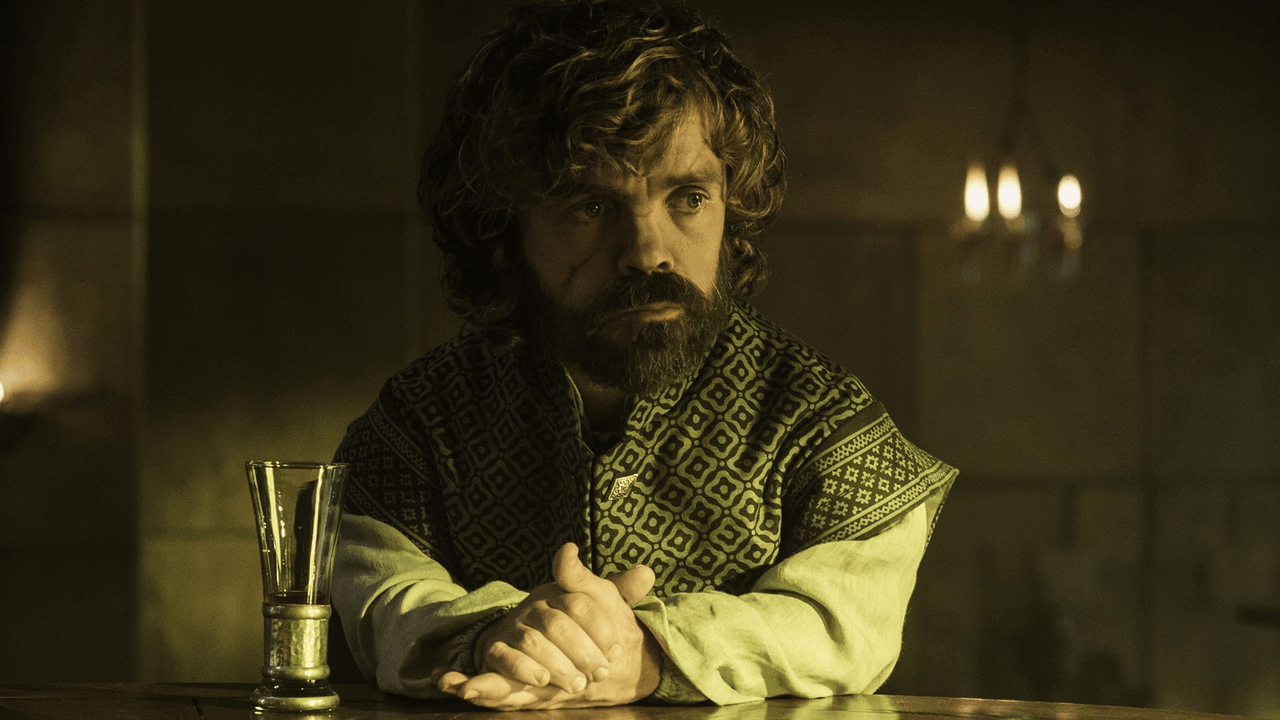
Image credit: Draft web reference from nowtv.com
The episode that changes the temperature of the entire season
The Game of Thrones S6E3 “Oathbreaker” episode guide has to do a lot of work, because this is the kind of episode that doesn’t just move the plot forward—it resets the emotional weather of the series. After the shock ending of the previous hour, “Oathbreaker” opens by asking a brutal question: what happens after the miracle, after the lie, after the promise everyone thought could not be kept?
The answer is bigger than one resurrection. This episode widens the map in the North, sharpens the politics in Meereen, and keeps planting the season’s central idea: oaths matter, but power keeps breaking them.
If you are building a complete Game of Thrones compendium, this is one of those episodes that deserves more than a quick recap. It’s the moment the board starts moving again after a long, frozen pause.
Game of Thrones S6E3 “Oathbreaker” episode guide: the core plot
The episode splits its attention between three broad currents: the immediate aftermath at the Wall, the Northern war machine beginning to stir, and the growing instability around Daenerys’ hold on Meereen.
At the Wall: the dead man returns to life
The episode’s most famous sequence follows Jon Snow after his resurrection. The surprise is not just that he lives, but how empty and uncanny the moment feels. He is not instantly reborn as a triumphant hero. He wakes confused, withdrawn, and physically altered by the experience. That restraint matters. The scene treats resurrection less like a victory lap and more like a violation of the natural order.
Melisandre, Davos, and the surviving Night’s Watch loyalists are forced to reckon with what they have done, what they hoped for, and what comes next. Jon’s return immediately creates a political problem: if he lives, he can still lead, but the trust he once had cannot simply be restored by miracle.
In the North: House Stark begins to reassemble
Elsewhere, the episode keeps pushing the North back toward the center of the story. Sansa and Brienne continue to move through the wreckage of the region’s power vacuum, and their partnership becomes more than a travel arrangement. It is a moral one. Brienne represents the vow-keeping ideal the series keeps testing, while Sansa represents someone who has had promises broken often enough to understand the cost of hope.
Meanwhile, the political situation in the North is shifting under everyone’s feet. Jon’s death did not stabilize the realm; it exposed how brittle every allegiance has become. That instability is the real engine of the episode.
In Meereen: Daenerys faces pressure from every side
Daenerys’ storyline in “Oathbreaker” continues the tension between conquest and governance. She is not simply a queen with dragons; she is a ruler trying to hold a city together while enemies gather in the shadows and her own supporters struggle to interpret her authority.
The Sons of the Harpy remain a threat, and the city’s fragile peace feels increasingly temporary. The show uses these scenes to remind viewers that the Iron Throne is not the only seat of power that matters. Rule is hard everywhere, and it always comes with blood on the floor.
What the episode means for Jon Snow
The resurrection is the headline, but the real change is subtler: Jon is no longer just a commander with a moral compass. He becomes a mythic figure whether he wants that role or not.
That creates three immediate consequences:
- His authority is altered. He can still command respect, but now he carries the weight of survival against death itself.
- His identity becomes bigger than the Night’s Watch. He is no longer merely a sworn brother serving one institution.
- His future becomes political, not just military. Everyone around him must decide whether he is a man, a symbol, or a useful weapon.
The series has used death and return before in different ways, but here the stakes are especially sharp because Jon’s resurrection happens in a world where faith, magic, and legitimacy are all colliding.
The title, the vows, and what “Oathbreaker” is really saying
The episode title works on more than one level. Yes, it points to the Night’s Watch and the sworn duties that define Jon’s life. But the title also works as a larger thesis for the season.
Nearly everyone in Game of Thrones is either breaking an oath, paying for one, or trying to force someone else to keep theirs.
That includes:
- The Watch, whose loyalty is fractured.
- The Northern houses, whose promises are shaped by fear and revenge.
- Daenerys, whose rule depends on whether the people of Meereen believe her word.
- Melisandre, whose faith has to survive the limits of what magic can and cannot guarantee.
In this sense, “Oathbreaker” is not just about a single betrayed pledge. It is about a world where every promise is under stress.
Standout scenes worth remembering
A good episode guide should name the scenes that linger, and this one has several.
1. Jon’s resurrection
This is the scene most viewers came for, and it lands because the show resists melodrama. The silence around the moment is almost unbearable. The episode understands that a miracle is only powerful if the characters themselves don’t know how to process it.
2. The reunion of Sansa and Jon’s side of the story
Even when the characters are still separated, the episode pushes the Stark narrative toward reunion by restoring momentum in the North. The emotional effect is cumulative: the family is no longer only a memory of loss.
3. The scenes around the Wall’s command structure
These moments matter because they show the practical side of resurrection. Someone has to decide what it means, who knows, who follows, and who stands to lose power if Jon returns.
4. Meereen’s uneasy calm
The city remains tense, but this episode shows why. The problem is not just external attack. It is the fragility of governance itself.
Lore implications: magic, death, and the Long Night shadow
“Oathbreaker” matters because it takes the supernatural thread and ties it more tightly to the political story.
Jon’s return reinforces a key truth of the series: magic is not a decorative background feature. It is re-entering the world in a way that will shape the wars ahead. That matters for the larger mythology because it connects the Wall, the faiths, and the ancient threat beyond the living political order.
A few lore implications stand out:
- Death is not final in the same way it once seemed.
- The Wall is more than a border; it is a pressure point in a much older conflict.
- Faith and magic are starting to overlap again.
- The North’s stories are now inseparable from the supernatural.
The episode does not explain everything, and that is part of its strength. It gives viewers enough to understand that the rules have changed, then forces them to watch the consequences unfold.
The political fallout after the episode
The immediate fallout from “Oathbreaker” is less about one battlefield and more about legitimacy.
Jon’s return creates uncertainty at the Wall. If he is alive, who was right? If he can lead again, what does that mean for the men who betrayed him? The answer is not simple vengeance. It is governance under damaged conditions.
In the North, the broader effect is even bigger. The Stark name becomes more than a rallying cry; it becomes an active claim on the future. The episode helps position the North for the conflicts that will dominate the rest of the season.
And in Meereen, the instability around Daenerys reminds us that the wider world is not waiting for the Starks to sort themselves out. Every region has its own crisis, and each one is escalating.
Why this episode matters to the larger series
If you strip away the shock factor, “Oathbreaker” matters because it rebalances the story around three ideas the series never stops testing:
- Identity survives trauma, but it changes shape.
- Promises are political tools as much as moral commitments.
- The dead are no longer safely gone.
That combination makes the episode a hinge point. The show is no longer simply moving pieces after the chaos of earlier seasons. It is entering the part of the story where old myths begin to return in practical form.
For new viewers, the main thing to remember is this: after “Oathbreaker,” the series is no longer pretending that the supernatural and political tracks are separate. They are one story now.
What new viewers should carry into the next episode
If you are watching the series in order, keep these points in mind going forward:
- Jon Snow is alive again, but not unchanged.
- The Wall’s leadership situation is unstable.
- Sansa’s path in the North is still tied to Stark restoration.
- Daenerys remains under pressure in Meereen.
- The season’s title-level theme is oaths: who keeps them, who breaks them, and who pays the price.
That is the real value of a strong episode guide: not just remembering what happened, but understanding why the show needed it to happen here.
Final take
“Oathbreaker” is one of those episodes that feels instantly important because it delivers a long-awaited answer while opening several new problems at once. It gives the audience the return they wanted, but not the clean emotional release they expected. Instead, it asks the harder question: what is a man worth after death, and what is a promise worth when the world no longer keeps faith with anyone?
That tension is why this episode still matters.
If you have your own read on the resurrection, the Northern politics, or the episode’s best scene, share it in the comments below.