
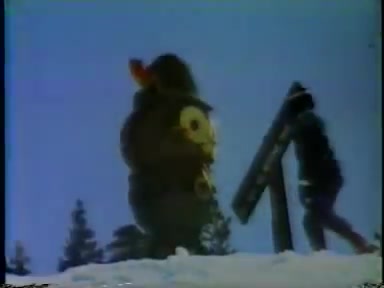
In 1977, long before eco-content became a social media category, Woodsy Owl was already doing what many modern campaigns still struggle to do: making environmental behavior feel personal, simple, and repeatable for kids. The U.S. Forest Service character wasn’t selling a product, but it was building a brand with a clear audience, a consistent voice, and a line that stuck in culture: “Give a hoot, don’t pollute.”
From a marketing perspective, Woodsy Owl is a strong case study in PSA brand architecture. It used entertainment logic, mascot psychology, and behavior-focused messaging to make civic responsibility memorable at scale. This wasn’t policy language aimed at adults. It was kid-first branding wrapped in a public-interest mission.
The Strategic Problem: How Do You Market an Abstract Cause to Children?
Environmental stewardship is a difficult “offer.” The benefits are long-term, collective, and mostly invisible in the moment. For a child, that’s a tough value proposition. “Protect natural resources” doesn’t compete with cartoons, toys, or playground attention spans.
Woodsy Owl solved this by translating a broad social issue into concrete micro-behaviors:
- Don’t litter
- Respect forests and parks
- Treat shared spaces as your responsibility
Instead of asking kids to understand systems-level ecology, the campaign asked for specific actions they could perform immediately. The message moved from abstract ethics to accessible habits.
That choice matters. Campaigns fail when the ask is cognitively heavy. Woodsy succeeded because the brand made the action obvious and the emotional frame positive.
Character-Led Branding Made the Message Sticky
Mascots are often dismissed as superficial, but Woodsy Owl shows why they work, especially for younger audiences. A character can do three jobs at once:
- Capture attention quickly
- Hold a consistent brand personality across channels
- Deliver directives without sounding authoritarian
Woodsy’s design was practical: friendly, recognizable, and visually distinct enough to be remembered after short exposure. The owl archetype also helped. Owls signal watchfulness and wisdom, which aligned naturally with themes of care and responsibility.
Most importantly, Woodsy acted as a peer guide, not a scold. Kids weren’t being lectured by institutions; they were being invited by a mascot. That distinction lowered resistance and made compliance feel like participation.
For marketers today, this is a reminder that spokesperson choice changes message reception. The “who” of the message can matter as much as the “what.”
The Slogan Was Built for Recall, Not Just Meaning
“Give a hoot, don’t pollute” is one of the most recognizable PSA lines because it checks key memory boxes:
- Rhyme (“hoot” / “pollute”)
- Rhythm (short, chantable cadence)
- Moral framing (“give a hoot” = care)
- Behavioral directive (“don’t pollute” = clear action)
It’s not just clever copy; it’s engineered for repetition. Kids could repeat it on playgrounds, teachers could use it in classrooms, and media could drop it into short-format spots without explanation.
This is the branding equivalent of compression: complex intent packed into a compact verbal asset. Modern teams often overbuild messaging frameworks and underinvest in phrases people will actually repeat. Woodsy’s line worked because it was useful in conversation.
If your campaign slogan can’t survive outside your deck, it isn’t a slogan; it’s internal language.
Distribution: PSA Media Behavior Before “Omnichannel” Was a Buzzword
The 1977 TV PSA format gave Woodsy important advantages: short runtime, broad reach, and repeat airings in family viewing windows. But the brand didn’t rely on one exposure. Like any good campaign, it benefited from cumulative frequency.
Even without modern digital targeting, the strategy reflected smart distribution principles:
- Audience alignment: children and families in shared media environments
- Repetition: recurring placements that reinforced memory
- Contextual fit: messaging appeared in public-interest slots where audiences expected social guidance
Woodsy also existed beyond TV through educational and civic touchpoints, helping close the gap between awareness and behavior. Kids saw the message in media, then encountered matching norms in schools and community spaces. That consistency increased credibility.
Today we’d call this cross-channel reinforcement. Then, it was simply strong campaign design.
Tone and Framing: Serious Issue, Non-Threatening Delivery
Fear can drive short-term reaction, but it can also trigger avoidance, especially with children. Woodsy’s creative avoided doom framing and focused on empowerment. The campaign message was: you can help, and here’s how.
That framing did three important things:
- Preserved optimism
- Increased perceived agency
- Kept the message age-appropriate
From a behavior-change lens, this is critical. People act when they believe their action matters and when the effort feels manageable. Woodsy gave kids both a reason and a role.
Many modern climate campaigns still miss this balance. They raise urgency but neglect efficacy. Woodsy’s model suggests a better formula: urgency plus practical action plus emotionally safe delivery.
Why the Campaign Built Brand Equity (Without Selling Anything)
Woodsy Owl demonstrates that brand equity is not exclusive to commercial products. The campaign built durable equity through the same mechanics used in successful consumer branding:
- Distinctive assets: character, name, slogan, visual identity
- Consistent positioning: environmental care as everyday behavior
- Repetition over time: memory compounds through frequent exposure
- Audience fit: language and creative calibrated to children
Because those assets were stable, the message became culturally portable. Parents, teachers, and kids could all carry it forward in their own settings.
This is the core lesson for mission-driven campaigns: people don’t remember objectives; they remember symbols, phrases, and moments. If those elements are strong, the mission travels.
Practical Marketing Takeaways You Can Apply Today
Whether you’re marketing a nonprofit initiative, a school program, or a consumer brand with a social angle, Woodsy’s playbook is still relevant.
1. Translate Big Missions Into Small Behaviors
Don’t lead with your full thesis. Lead with one concrete action your audience can do immediately.
2. Build Memory Assets, Not Just Messages
Invest in repeatable elements—character, phrase, visual cue, sonic line—that can survive across formats.
3. Match the Messenger to the Audience
Authority voices can reduce trust in youth campaigns. Peer-like or mascot voices often improve receptivity.
4. Write for Repeatability
The best line is the one people quote. Test your messaging for speakability, not just semantic precision.
5. Design for Reinforcement, Not One-Off Reach
A single exposure rarely changes behavior. Plan for recurring touchpoints across the environments where your audience lives.
6. Pair Responsibility With Agency
Avoid guilt-only framing. Show people exactly how to contribute so the ask feels achievable.
7. Keep Brand Consistency Ruthless
If you want long-term recall, your core assets should remain stable while creative executions evolve.
Conclusion
Woodsy Owl’s 1977 PSA campaign worked because it treated public messaging like brand strategy. It simplified a complex issue, used character-led communication to reduce resistance, and anchored everything in a slogan built for memory and repetition. The result was more than awareness; it was behavior language that entered culture.
For modern marketers, the takeaway is straightforward: if you want people to act, make the action clear, make the message repeatable, and make the brand hard to forget. Woodsy Owl did that decades ago with limited tools and short-form media slots, which is why it still stands out as mission-driven communication done right.
 Instagram
 TikTok
 YouTube
 Facebook
 X
X Mastodon
 Bluesky



Leave a Reply