

Why Practical Effects in Movies Still Win Horror and Sci-Fi
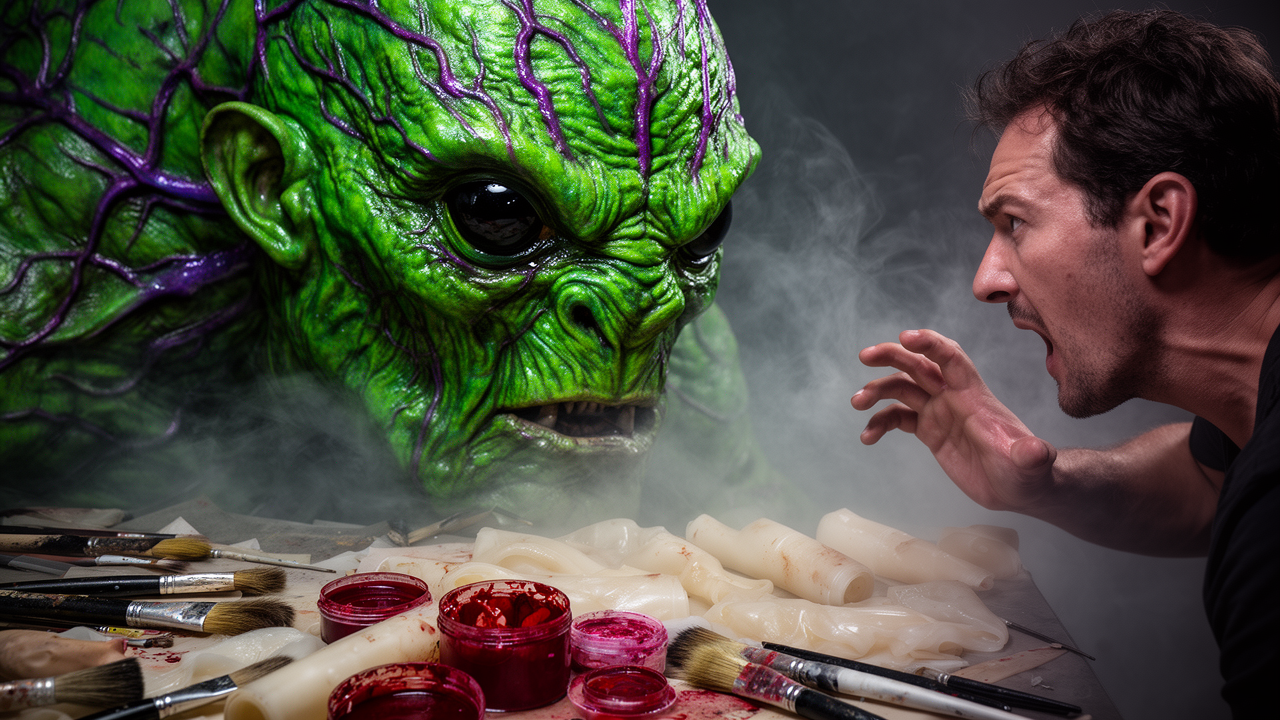
Practical effects in movies have never stopped being effective. In horror and sci-fi, they do something that polished digital imagery often misses: they make the impossible feel physically present. A slime-covered creature, a mangled prosthetic, a miniature city in flames, a chest bursting open on cue—these effects carry weight because they exist in space, under real light, in front of real performers.
That physicality matters. Horror depends on dread you can almost touch. Sci-fi depends on worlds that feel engineered, inhabited, and dangerous. When the craft is tangible, the audience doesn’t just watch the scene—they feel its surfaces, its temperature, its messiness. That is the enduring power of practical work.
Practical effects in movies create texture you can’t fake
The first thing practical effects give a film is texture. Not just visual texture, but emotional texture. Skin looks slicker under light when it’s a prosthetic. Blood moves with weight when it’s a liquid element reacting to gravity. Rubber tears, foam compresses, latex shines. Those imperfections are not flaws; they are evidence.
Digital effects can be immaculate in the wrong way. Sometimes that precision flattens a scene. Practical designs, by contrast, have tiny irregularities that the eye reads as truth. A bruised jaw prosthetic doesn’t merely suggest injury—it feels like tissue. A foam alien head doesn’t just sit in frame—it occupies it.
That’s why so many memorable movie creatures and gore gags remain memorable years later. They don’t look perfect. They look like objects with mass.
Why practical effects in movies look more real to the brain
A lot of the practical-versus-CGI debate comes down to how viewers process images. The audience may not know the technical reason a scene feels convincing, but the brain notices when light, shadow, and interaction line up.
Practical effects are usually captured in-camera, which means:
- the actor’s eyes focus on something real
- the camera records actual depth and shadow
- surfaces catch light naturally
- debris, blood, or slime behaves unpredictably
- the audience subconsciously trusts the image more
That trust is powerful in horror and sci-fi. If a monster’s skin ripples under a spotlight or a wound shifts when the actor breathes, the scene gains credibility. Even when the audience knows a gag is artificial, it still feels materially there.
Performer interaction changes everything
One of the biggest advantages of practical effects in movies is simple: actors can react to them.
A performer working opposite a physical head, hand, suit, or puppet isn’t guessing where the threat is. They can look at it, flinch from it, grab it, or struggle against it. That creates scenes with cleaner timing and stronger emotional responses. Fear becomes legible. Desire, disgust, grief, and panic all land harder when the object of those feelings is actually in the room.
This is especially important in horror. If a scene hinges on terror, the actor’s body has to believe the threat exists. The audience can usually tell when they do. A real prop or creature suit often draws more committed performances because there is something to push against.
The same logic works in sci-fi. Whether it’s an alien limb, a robot mask, or a mechanical tunnel effect, actors behave differently when they have a tactile reference. Their movements become more precise, and the scene gains a lived-in quality.
Limitations often make monsters better
There’s a myth that practical effects are superior because they’re old-fashioned. That’s not really the point. The real reason they endure is that limits often produce better design.
When a practical team knows a creature must be wearable, sculpted, or animatable by rods and hydraulics, the concept gets sharpened. Every choice has to serve function, silhouette, and movement. That constraint can lead to far more memorable results than unlimited digital freedom.
Practical monsters often work because they’re built around a strong idea:
- a distinctive profile you can recognize in one glance
- a face that can emote without overcomplicating the anatomy
- a body that moves in a clear, unsettling rhythm
- effects that emphasize one frightening detail instead of ten noisy ones
Unlimited CGI sometimes encourages excess. Practical constraints encourage identity. That’s why so many classic creatures feel iconic rather than merely elaborate.
Horror lives or dies on tactile discomfort
Horror is physical. Even psychological horror often depends on the body—sweat, breath, trembling, skin, damage, decay. Practical effects in movies exploit that relationship better than almost any other tool.
A slick prosthetic eye, a torn-open cheek, a hand with unnatural fingernails, a prop that leaks something disgusting on cue: these things are not abstract. They are bodily. They create a direct line between image and sensation.
That’s one reason gore remains a practical-effects showcase. Fake blood splatter has rhythm. Foam latex deformation has weight. A severed limb on the floor changes the geometry of a scene in a way that a digital substitute sometimes doesn’t. The mess is part of the meaning.
The best horror doesn’t merely show violence. It stages consequences that linger in the frame.
Sci-fi benefits from machinery, scale, and physical worldbuilding
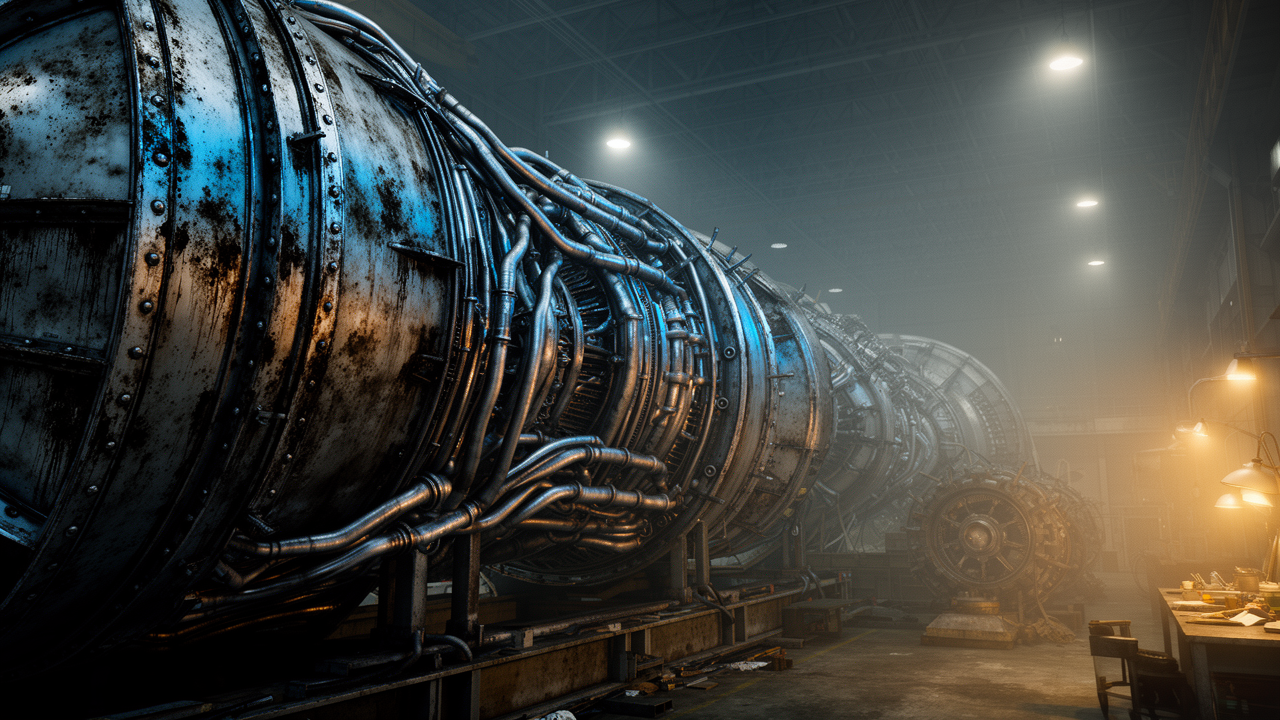
Practical effects in movies aren’t only about monsters and blood. Sci-fi may actually benefit even more from tactile design because the genre depends so much on credibility.
Miniatures, models, puppets, matte paintings, prosthetics, and mechanical rigs help build a future or alternate world that seems engineered rather than rendered. A spaceship model with real reflections feels like an object that could weigh something. A hallway set with real blinking panels and physical condensation feels inhabited. A robot suit with moving joints and visible seams suggests a machine designed by someone with tools, time, and constraints.
That physical logic sells the world.
Sci-fi becomes more immersive when it looks like humans built it, maintained it, and perhaps barely survived in it. The scuffs, scratches, and imperfect surfaces are not cosmetic—they are narrative.
The best effects are often a hybrid, but the tactile base matters
This isn’t an argument that CGI should disappear. Modern filmmaking often works best when digital tools extend practical work rather than replace it. A practical suit can be enhanced with subtle digital cleanup. A miniature can be composited into a larger shot. Makeup can be augmented to push a transformation further.
But the base matters.
When a production starts with something physical, the image usually gains:
- stronger light interaction
- believable set contact
- better actor timing
- more convincing weight and scale
- a sense of accident that keeps the shot alive
Hybrid effects work because practical elements anchor the fantasy. The digital layer helps finish the illusion, but the tactile core gives it soul.
Why practical effects in movies still produce iconic scenes
The scenes people remember most often involve a moment of visible craft. A face splitting open. A creature rising awkwardly from the floor. A hand bursting through a wall. A spaceship model rolling through a star field. A gooey transformation that looks just unstable enough to be terrifying.
These moments last because the audience can sense labor behind them. The effect is not just a picture; it is an event.
That event quality makes practical effects ideal for horror and sci-fi, where the spectacle should feel unstable, dangerous, and surprising. A digital monster can be enormous, but a physical monster can feel like it’s actually sharing the frame with the actors. That is a different kind of fear—and often a stronger one.
A few craft reasons the old tools still hit hard
Here’s the short version of why tactile effects remain so effective:
- They reflect light naturally. Real surfaces are hard to beat.
- They give actors something to play against. That improves reactions.
- They embrace limitation. Strong design often comes from boundaries.
- They make mess and damage feel consequential. Horror needs that.
- They age with character. Imperfection can become charm, grit, or menace.
- They keep the audience grounded. Even the wildest fantasy benefits from a physical anchor.
The result is not just nostalgia. It’s cinematic clarity.
The enduring appeal is emotional, not just technical
People sometimes talk about practical effects like they’re a museum exhibit—an admirable relic from an older era. But that misses the point. The reason practical effects in movies still matter is that they create a specific emotional response: belief through contact.
A tactile effect says the filmmakers were willing to get their hands dirty. It adds friction, and friction makes danger feel real. In horror, that danger is the point. In sci-fi, the friction makes the impossible seem engineered rather than imagined.
That’s why the most memorable effects rarely feel sterile. They feel wet, rough, bruised, metallic, cracked, sticky, or unstable. They feel like they belong in the world of the film because they were made inside a physical world first.
Practical effects may share space with CGI now, but they haven’t lost their edge. If anything, their strengths stand out more in an age of unlimited polish. When the goal is fear, wonder, or grotesque spectacle, nothing beats something real enough to cast a shadow.
If you have a favorite practical-effects movie moment—or a creature, gore gag, or sci-fi design that still holds up—drop it in the comments. I’d love to hear your picks.