
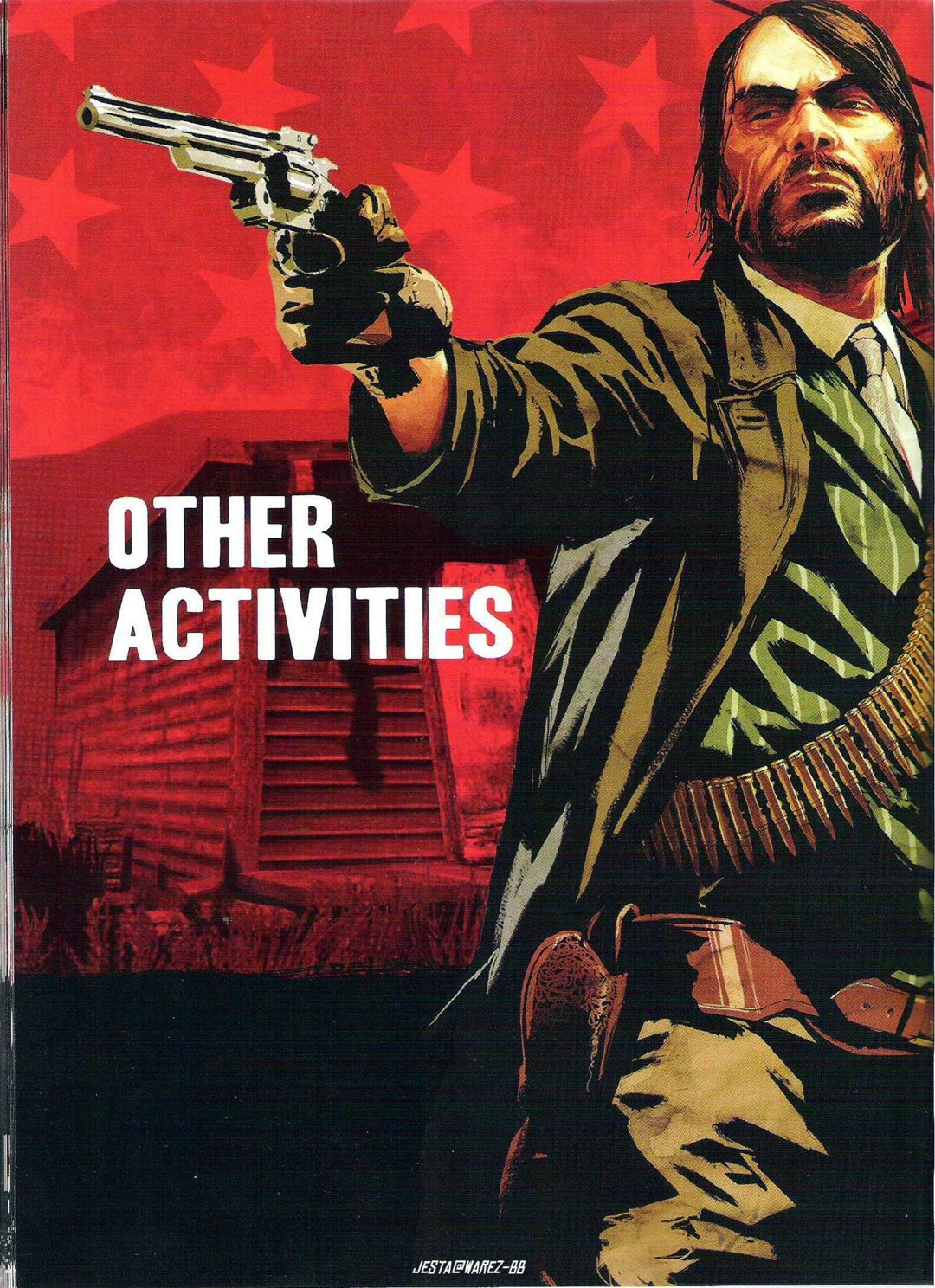
Red Dead Redemption did not succeed just because it had horses and revolvers. It worked because its world felt morally unstable in a believable way. You are constantly navigating loyalty, survival, duty, and regret without clean heroic framing. That tension is the point.
Marston is compelling because he is not framed as spotless. He is functional, wounded, and cornered by systems bigger than him. That gives missions weight beyond objective markers. Even routine tasks feel like part of a long negotiation with consequence.
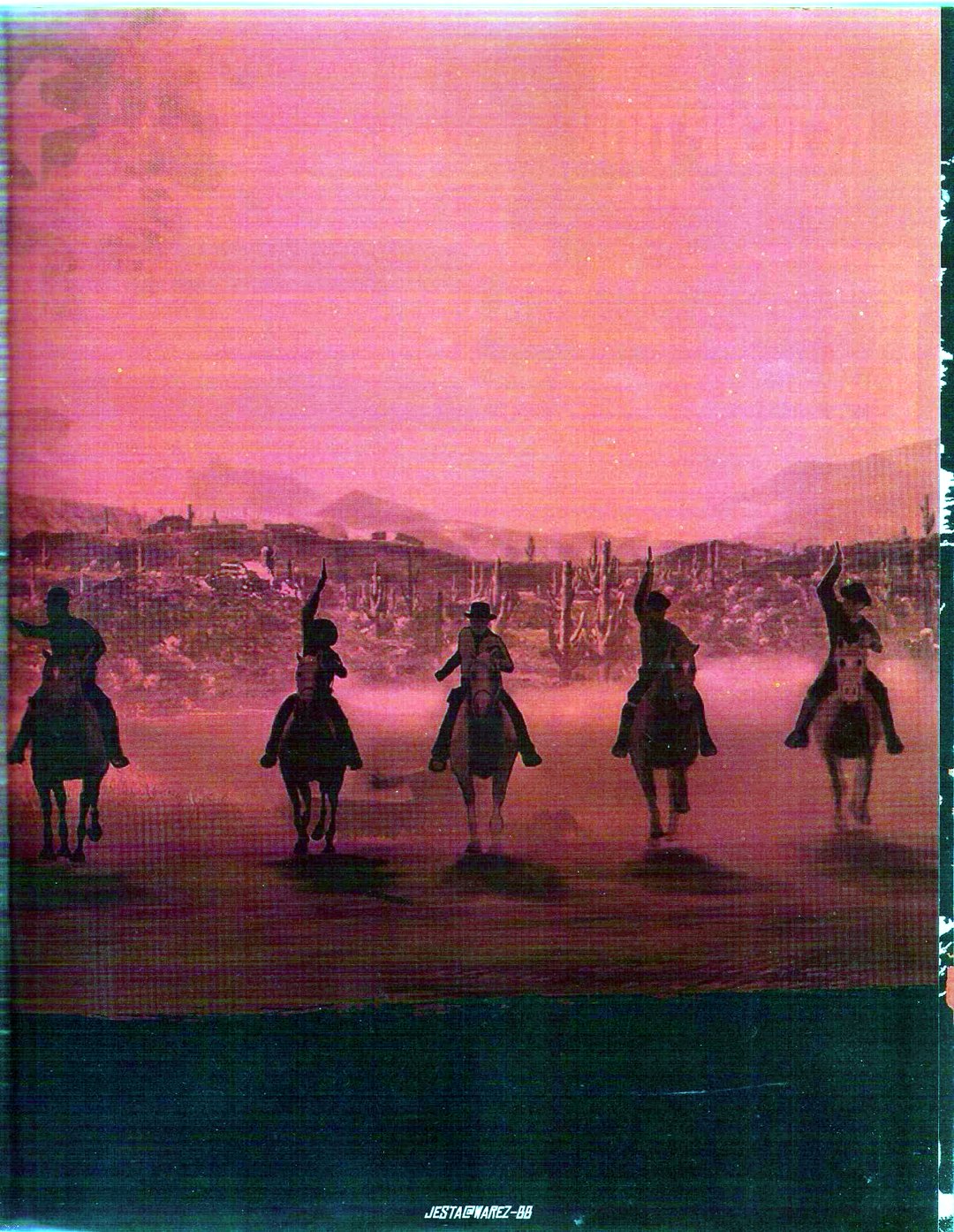
This moral ambiguity also deepens side content. Stranger encounters, regional conflicts, and small world interactions reinforce the idea that the frontier is never clean. It is personal, political, and often unfair. That consistency is why the narrative still resonates in 2026.
From a retro writing perspective, this is gold. You are not just recapping plot beats — you are documenting a tonal achievement. Few open-world games hold this level of narrative cohesion across both mainline and side-space content.
When people say “they don’t make games like this anymore,” this is usually what they mean: a game where mechanics, writing, and atmosphere all serve the same emotional thesis. Red Dead may not be perfect, but it is coherent — and coherence ages well.
That makes it ideal for your site’s direction: rich nostalgia with actual critical context, not empty praise.
 Instagram
 TikTok
 YouTube
 Facebook
 X
X Mastodon
 Bluesky