
Fan wikis are incredible for depth, but they often lose the one thing classic guides nailed: editorial flow. Nintendo Power’s Final Fantasy content demonstrates how curation beats raw volume when the goal is actual player progress. You are not just collecting facts—you are building confidence.
First, classic guidecraft values sequencing. Information appears when you need it, not all at once. That reduces cognitive overload and keeps the player in motion. Wikis tend to flatten chronology into massive index structures, which is great for lookup but weak for momentum. Nintendo Power pages, by contrast, were designed to be used during play, not merely archived.
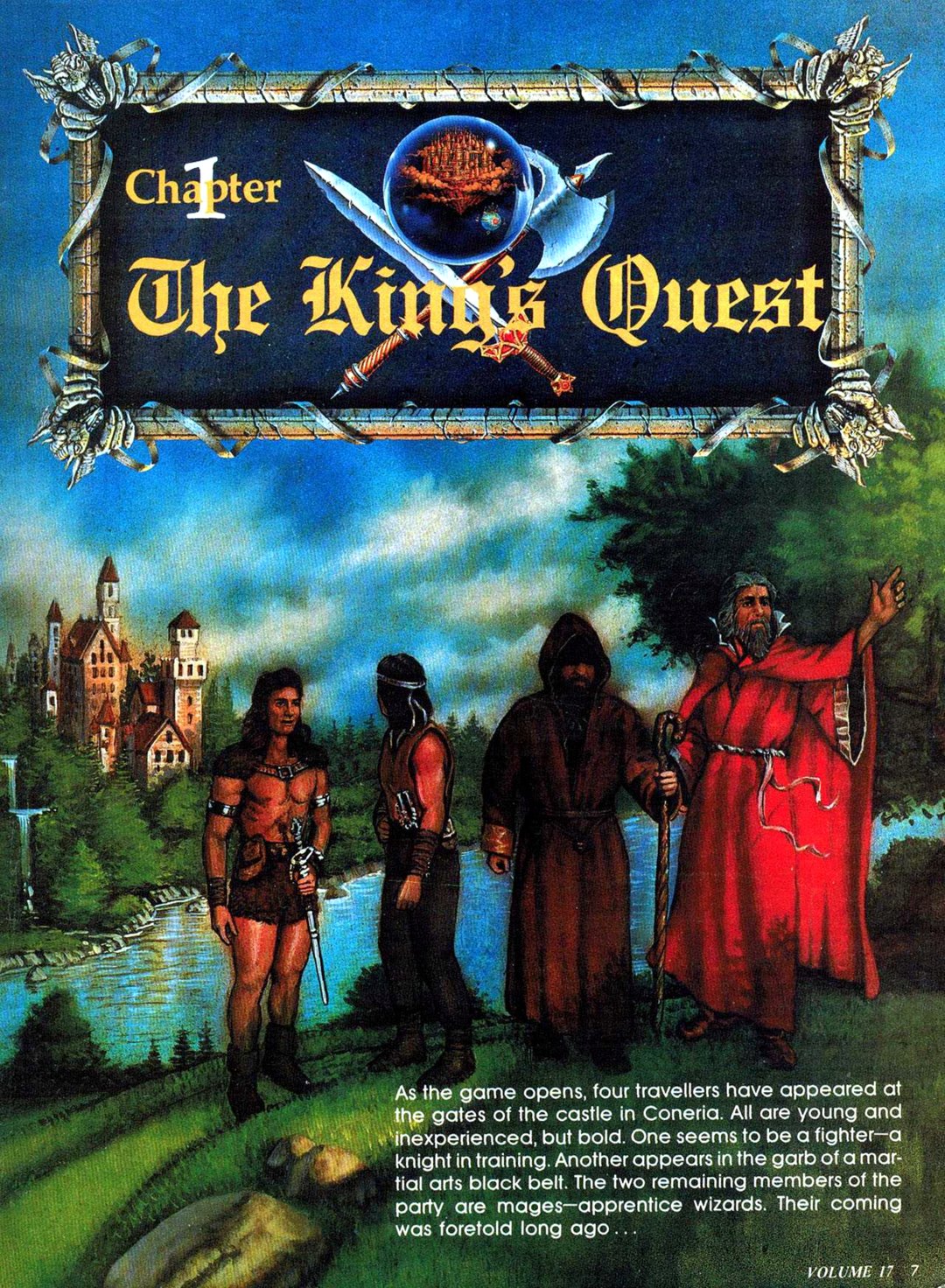
Second, visual authority matters. Strong artwork and map integration tell readers this is curated, intentional, and worth trusting. Even when the text is concise, the composition signals competence. Modern creators can absolutely borrow this: fewer, better visual anchors plus tightly scoped advice often outperforms exhaustive but chaotic documentation.
Third, good guidewriting respects the reader’s imagination. It gives enough structure to prevent frustration, then leaves space for discovery. That balance keeps the adventure alive. Over-explained content can accidentally turn legendary games into checklists. Nintendo Power avoided that trap more often than people remember.
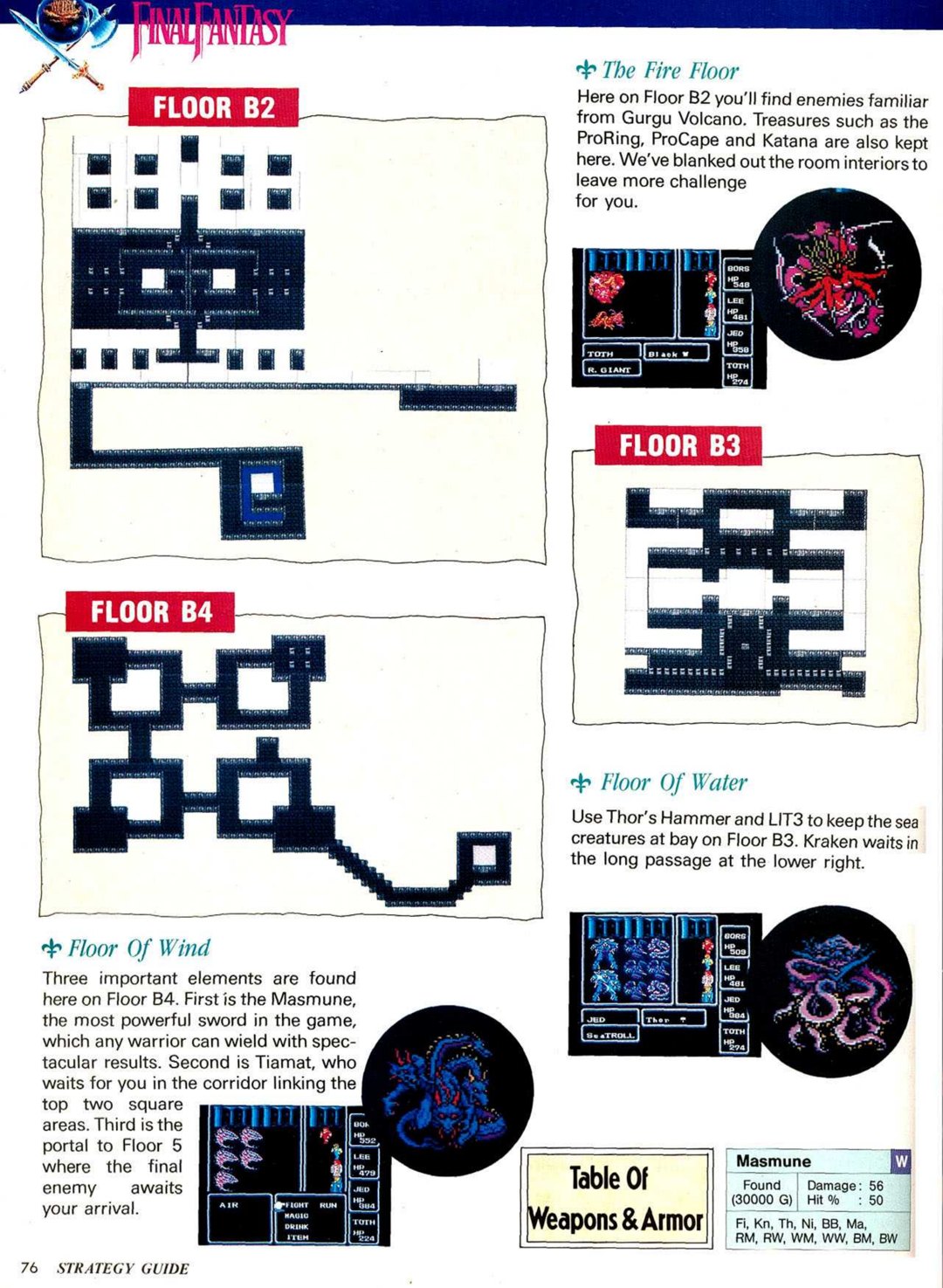
If your goal is to build a retro/nostalgic site people actually return to, this is the model: curated voice, visual confidence, and practical pacing. Not maximal information—maximal usefulness. That is why these old pages still feel alive, and why they remain one of the best templates for modern retro editorial work.
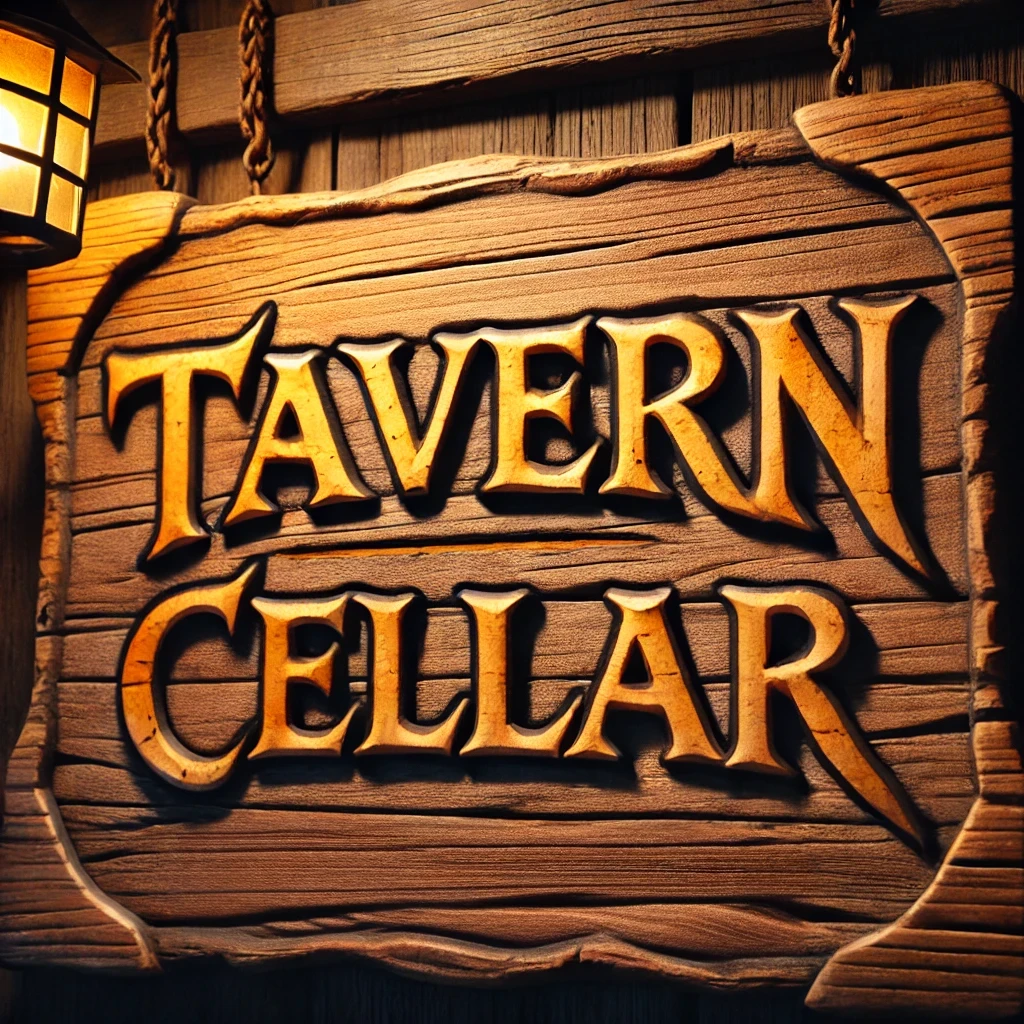
For Tavern Cellar specifically, this approach creates a better brand signature: fewer recycled summaries, more guided nostalgia with practical value. Readers should leave each piece feeling both entertained and equipped. That blend is rare, and it is exactly what can separate your retro playground from generic content mills.
If we keep this standard—strong curation, visual-first references, and playable advice—you are not just publishing articles. You are building a trusted archive people return to whenever they revisit classic RPGs.
That is the standard going forward: strong context, clear utility, and visual support that improves reading instead of interrupting it.
 Instagram
 TikTok
 YouTube
 Facebook
 X
X Mastodon
 Bluesky