
If you love art direction that actually has a point of view, this one’s for you.
If you freeze almost any frame of Eternal Sonata, it still reads like deliberate art direction instead of technical compromise. The visual language is built around softness, contrast, and emotional color cues that communicate tone before dialogue does.
The palette work is especially smart. Areas feel warm or fragile based on narrative context, and characters remain readable against rich backgrounds. Many games from that era either over-detail environments or flatten silhouettes. Eternal Sonata usually avoids both.
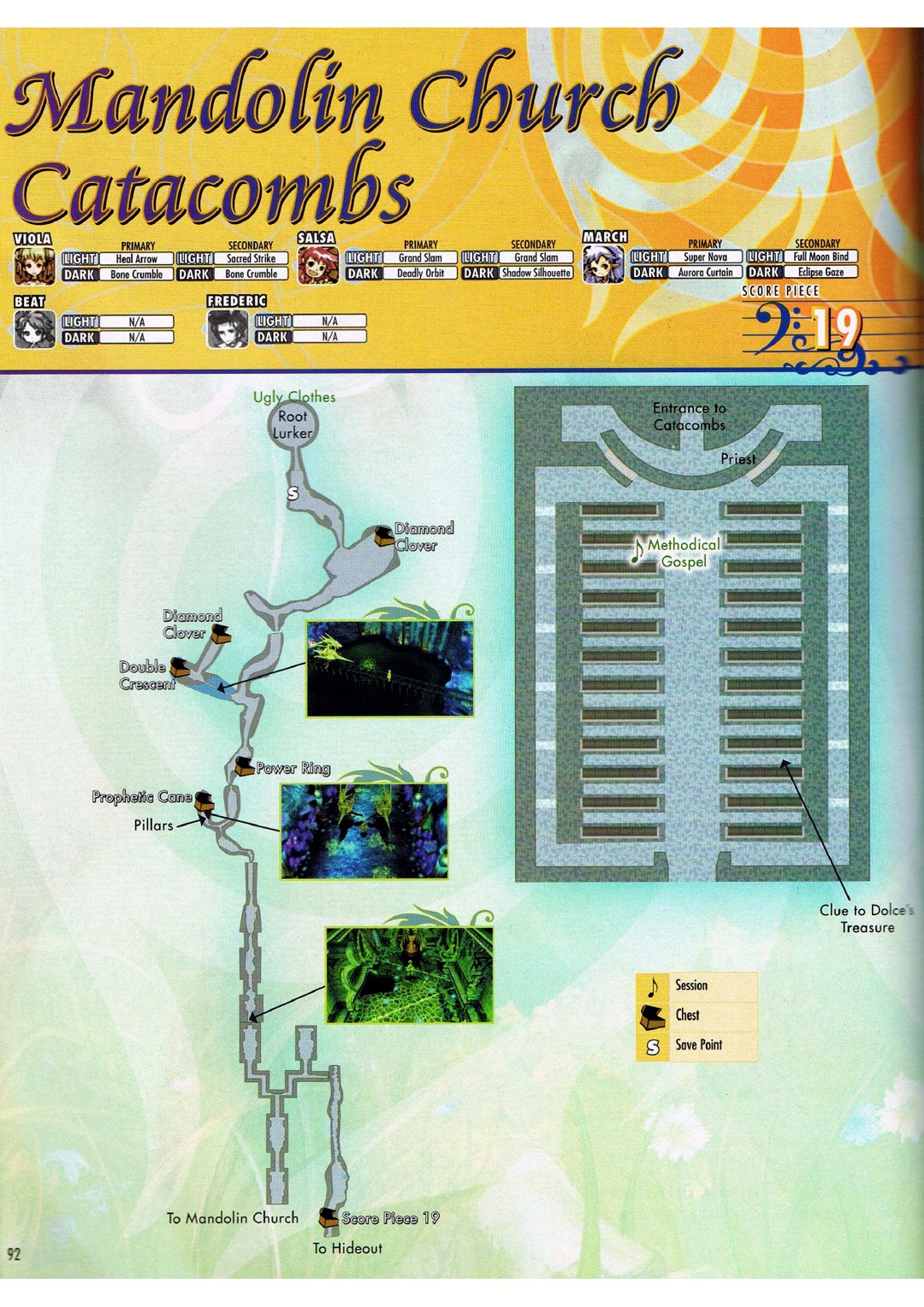
Character art carries emotional intent. Costumes and silhouettes are stylized but expressive, giving each party member immediate identity in cutscenes and combat. You can often read mood shifts just by posture and color interaction, which is a hallmark of strong visual storytelling.
For modern readers, this makes Eternal Sonata a great design study. It shows how much mileage you can get from focused priorities: readability, atmosphere, and thematic consistency. You do not need photorealism to feel premium; you need visual decisions pointing the same direction.
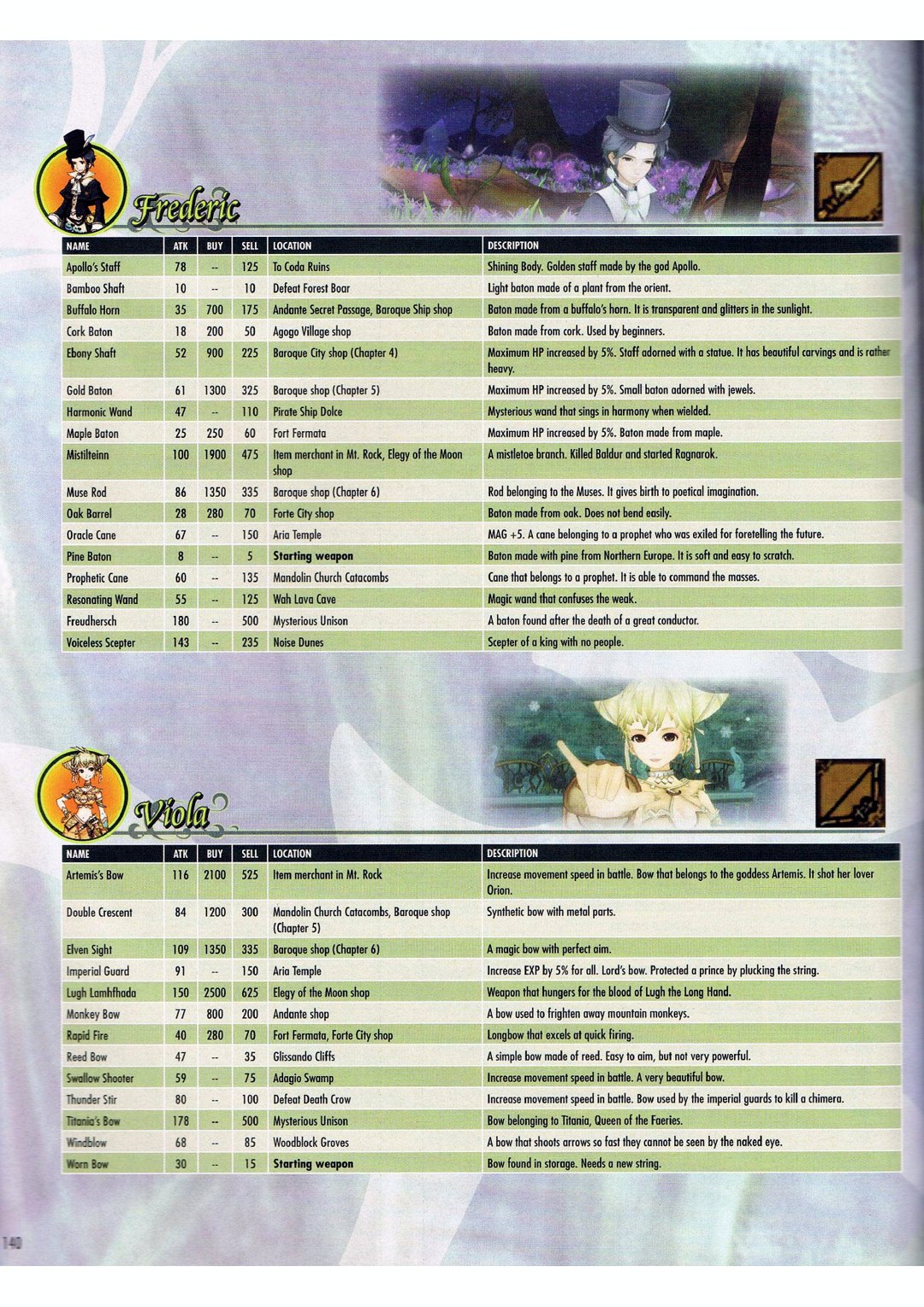
That is why screenshots still feel intentional today. The game chose a style it could fully execute instead of chasing trends it could not sustain. For retro coverage, this gives us a better angle than generic listicles: we can document what design choices aged well and why.
If we keep this standard, your site becomes more than nostalgia bait. It becomes a useful design archive people revisit when they want inspiration and context.
That’s the energy we’re building: stylish, specific, and actually worth reading.
 Instagram
 TikTok
 YouTube
 Facebook
 X
X Mastodon
 Bluesky