
What Makes Movie Villains Memorable Beyond Pure Menace
The most unforgettable movie villains are rarely the ones who simply look scary or act cruel. Fear gets their foot in the door, but it is not what keeps them in pop culture for decades. What lingers is a villain who feels inevitable: someone with a clear worldview, a design you can identify in a split second, dialogue that sticks in the ear, and a relationship to the hero that gives the entire story its emotional spine.
A great antagonist does more than create danger. They define the movie’s shape. They tell us what kind of world this is, what the hero is up against, and what the story believes about power, morality, temptation, or survival. That is why some villains become larger than the films they came from while others vanish as soon as the credits roll.
Why movie villains stay with us
A scary presence can make you flinch. A memorable villain makes you think, repeat lines, imitate the walk, or instantly recognize the outline in shadow. The difference is depth. The best villains do not exist only to block the hero’s path. They bring a philosophy, a style, and a personal logic that makes their evil feel specific rather than generic.
That specificity matters because audiences remember pattern, not just threat. A killer with a signature method. A tyrant with a spotless uniform and immaculate posture. A mastermind who always speaks in calm, deliberate fragments. These details form a character identity that survives long after the plot details fade.
A memorable villain usually gives us at least one of these things:
- a worldview that makes sense on its own terms
- a visual signature that can be recognized instantly
- dialogue that sounds quotable without trying too hard
- a dynamic with the hero that feels personal, not accidental
- a role in the story that changes the meaning of the film itself
When those pieces click, the villain stops being a plot device and becomes the movie’s secret engine.
The villain’s worldview matters as much as their body count
The strongest movie villains are often the ones who believe they are right. That does not make them sympathetic, and it certainly does not excuse what they do. But it gives them force. A villain with conviction can challenge the hero on more than a physical level. They can threaten the hero’s assumptions, values, and identity.
Think about how often great antagonists articulate some version of order, purity, freedom, survival, revenge, or destiny. Their evil becomes memorable because it is organized. They are not just causing chaos; they are trying to impose a worldview on the world.
That is one reason villains with a philosophy tend to outlast villains who simply want money or destruction. Greed can be a motive. It is not always a character. Viewers remember the person who can explain why they do what they do, even if that explanation is monstrous.
This is part of what gives power-centric films their bite. In stories like The Godfather, the antagonist energy is not always embodied by one obvious monster. It is built through systems, loyalties, and the cold logic of control. The villain becomes memorable because they reveal how power actually works.
Iconic design turns menace into instant recognition
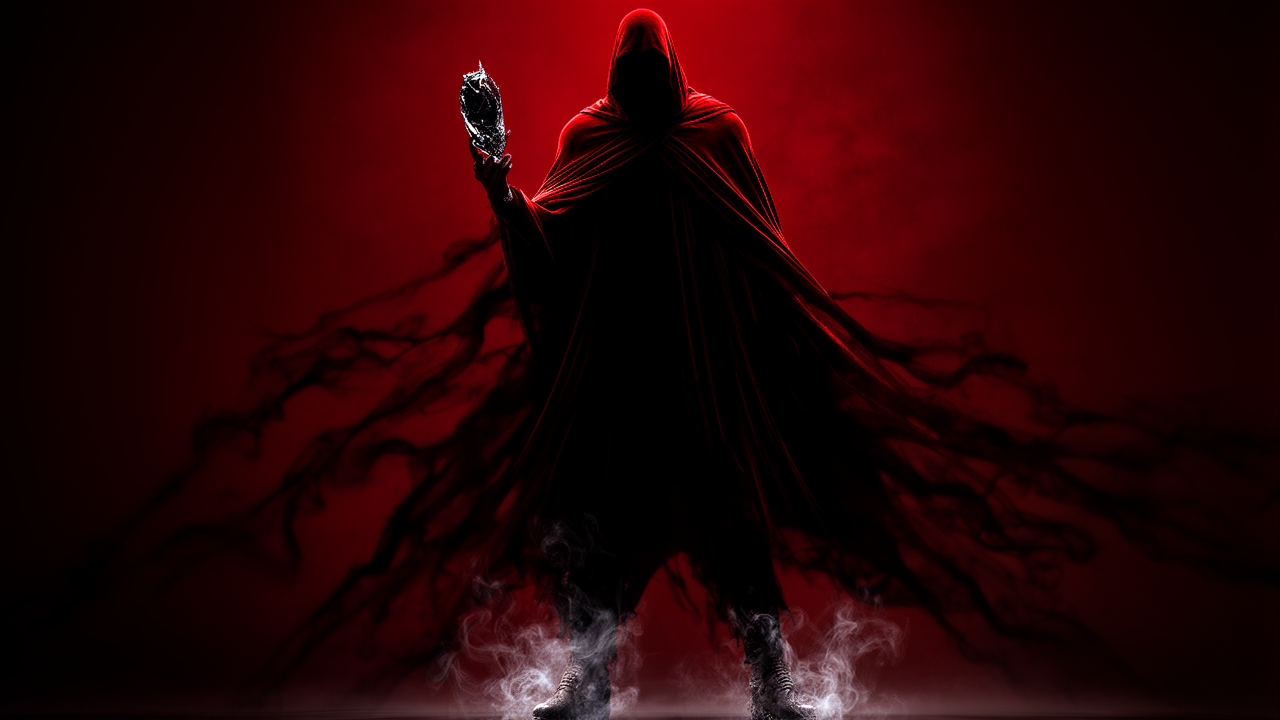
Before a villain says a word, their design can tell you everything. Costume, posture, silhouette, movement, and even how they enter a scene all shape memory. A memorable villain can often be identified from a single frame because the filmmakers built a visual code around them.
That is why design matters so much in horror, science fiction, and fantasy, but it is not limited to genre cinema. Even grounded thrillers rely on visual cues: a perfect suit, a weathered face, an unnerving stare, a weapon carried with ritual precision. The audience reads these details almost unconsciously.
The key is contrast. The more a villain’s appearance expresses control, ritual, or otherness, the more they stand apart from ordinary people. Sometimes that contrast is elegance. Sometimes it is grotesque exaggeration. Sometimes it is minimalism: a face, a shadow, a shape at the edge of the frame.
A great design does not just look cool. It reinforces character. It tells us how this person occupies space. It makes the villain feel like they belong to their own visual universe.
Quotable dialogue gives villains cultural afterlife
Some villains last because they are endlessly repeatable. Their lines become shorthand for attitude, threat, wit, or power. Good villain dialogue rarely sounds like speech people use in real life. It sounds sharpened. Distilled. You could almost carve it into stone.
The most quotable villains often share a few traits:
1. They speak with confidence
A memorable villain rarely sounds unsure. Even when they are lying, they project certainty. That confidence makes every line feel dangerous.
2. They reveal personality through rhythm
Some villains are elegant and measured. Others are theatrical or playful. Their cadence becomes part of the performance, which means the voice is as memorable as the words.
3. They say the thing others only imply
Villains often articulate the darkest logic in the room. They voice what the film’s moral universe is trying to resist. That directness gives them shocking clarity.
4. They make threats sound like promises
A great villain does not rant for the sake of noise. Even their most famous lines feel intentional, almost ceremonial.
This is one reason certain antagonists become pop-culture currency. Their dialogue travels easily. It can be quoted in conversation, parodied in other films, or instantly recognized in a meme. The line becomes a portable version of the character.
The hero-villain connection is where the movie gets its weight
If a villain feels random, the story weakens. If they feel connected to the hero, the film deepens. The strongest antagonists often define the protagonist by pressure. They force the hero to reveal who they are under stress.
A meaningful connection does not have to be personal in a literal backstory sense, though that can help. It can be ideological. It can be psychological. It can be structural, where the villain represents the future the hero fears becoming. What matters is that the conflict feels destined rather than arbitrary.
This is why memorable villains often act as dark reflections. They share a talent, a wound, or an obsession with the hero, but they interpret it differently. The hero and villain are linked by a question the film keeps asking: what happens when ambition, fear, grief, or power goes in opposite directions?
In X-Men: First Class, for example, the ideological split between rivals does more than create conflict. It defines the entire movie’s emotional and political logic. The villain is memorable because he is not just opposing the hero; he is arguing with him about the future.
When that kind of connection is strong, the final confrontation stops being a routine climax. It becomes the argument the movie has been building toward from the start.
Menace alone fades. Personality and precision do not.
Pure menace is easy to admire in the moment and easy to forget later. A villain who only glowers, kills, or destroys without a distinctive inner shape may feel effective on first watch but thin in retrospect. There has to be some combination of logic, style, and emotional function.
That is why the best screen antagonists often carry contradictions:
- elegant but savage
- calm but unstable
- intelligent but self-deluding
- charismatic but hollow
- theatrical but terrifying
Those contradictions make a villain feel alive. They also create room for the audience to keep returning to them. You are not just watching a force of evil. You are watching a character whose behavior contains a design.
Horror cinema understands this especially well. In A Nightmare on Elm Street, Freddy Krueger works because he is more than a slasher with a glove. He has a nightmare logic, a cruel sense of humor, and a deeply personal relationship to the victims’ vulnerability. He is not simply fear in a trench coat. He is a concept with a face.
Great villains define the movie as much as the hero does
It is tempting to talk about films as if the protagonist carries everything. But in practice, some movies are remembered because of the antagonist first. The villain can determine the tone, the marketing, the iconic imagery, and the afterlife of the film in culture.
Consider how many films are sold through villain presence alone. The audience may come for the premise, but they stay for the confrontation. In some cases, the villain becomes the reason the movie is worth revisiting at all. Their performance gives the film texture. Their choices sharpen the stakes. Their existence tells you what kind of movie you are watching.
That is especially true in genre cinema, where the antagonist often functions as a central attraction. The shark in Jaws is not just a threat; it is a force that determines how the movie is edited, scored, and structured. The villain becomes the architecture.
Even in stories where the hero is the emotional anchor, a great villain can steal the cultural spotlight. The reason is simple: protagonists often represent a journey, but villains represent an idea. And ideas, when wrapped in a face, a voice, and a costume, travel.
What separates a good villain from an unforgettable one
If you strip the concept down, memorable villains usually combine craft and character in a very specific way. They are not just written to be bad. They are written to be legible, performable, and thematically useful.
Here is the practical formula:
- Clear worldview: they want something and believe in it.
- Distinct design: you recognize them before they speak.
- Sharp dialogue: they have lines worth repeating.
- Hero connection: their conflict changes the protagonist.
- Thematic function: they embody the movie’s central fear or temptation.
When a villain has all five, they stop being background force. They become part of the film’s DNA.
The best movie villains make the whole story feel sharper
A memorable villain does not just raise the stakes. They clarify the movie. They make the theme visible. They give the hero an opponent worthy of the frame. In that sense, the greatest movie villains are not only threats to the characters inside the story; they are proof that antagonists can be as central to cinema’s memory as heroes.
That is why we still talk about them, imitate them, fear them, and rank them decades later. They are not memorable because they were the loudest force on screen. They are memorable because they were the most complete.
What’s your favorite example of a villain who made the movie better by being more than just menacing? Share your thoughts and favorites in the comments.