

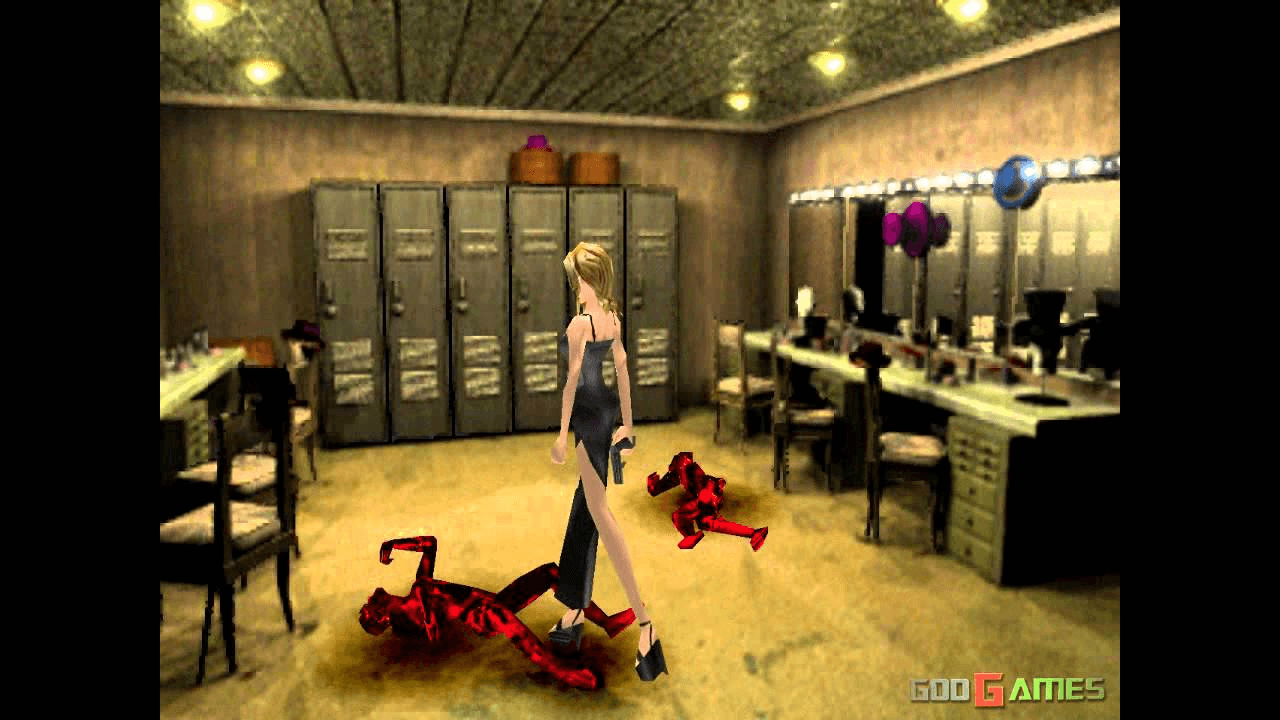
Image credit: Draft web reference from youtube.com
Parasite Eve on PlayStation is one of those games that seems to have arrived from a slightly different timeline. It is a horror game, but not in the usual locked-door, one-mansion sense. It is an RPG, but not one that lets you settle into comfort. It is also a very specific New York nightmare, built around Manhattan streets, lab rooms, museums, and subway-adjacent dread. That specificity is why it lingers.
What makes it fascinating now is not just that it mixed genres. It is that the mix created a tone almost no later game quite copied. Parasite Eve feels clinical, urban, and nervous. The horror is biological rather than gothic. The progression is statistical, but the atmosphere is all panic and contamination. Even the combat rhythm has a strange elegance: you are always deciding whether to move, wait, attack, or spend a precious moment on an ability. The result is a game that still feels singular decades later.
Parasite Eve on PlayStation and the city-as-horror idea
A lot of horror games isolate you in an abstract space. Parasite Eve does something more unsettling: it plants its nightmare in a recognizable city. Manhattan is not just backdrop here. It is part of the tension.
That matters because the game uses a real-world urban setting to make the impossible feel invasive. When a creature appears in a museum, or a block becomes dangerous, or a public space turns into a quarantine zone, the game is not asking you to imagine an unfamiliar haunted castle. It is corrupting a place that should feel busy, practical, and navigable. The ordinary city becomes a contaminated system.
That choice gives Parasite Eve a different emotional flavor from many of its peers. Instead of fairy-tale ruin or rural abandonment, you get the paranoia of modern infrastructure failing. Streets, elevators, offices, and underground routes all feel like parts of a city that has started to reject its inhabitants.
The Manhattan setting also gives the game a rare sense of scale. The horror is intimate, but it keeps brushing against public space and institutional order. That contrast is a huge reason the game sticks in memory.
The combat loop is where the game’s personality really appears
The best way to understand Parasite Eve on PlayStation is to look at how it asks you to fight. It is not pure action, and it is not turn-based in the cleanest sense. It uses a combat rhythm that feels halfway between panic and planning.
You are managing movement in real time while still working inside RPG structure. That alone gives every encounter a tension that standard menu-driven battles often lack. You are watching ranges, timing attacks, and making decisions under pressure while still thinking in terms of equipment, stats, and resource management.
That hybrid structure does a few important things:
- It keeps combat active even when you are making tactical choices.
- It makes every room feel like a small problem to solve rather than a simple encounter to clear.
- It preserves horror pressure because you never fully relax into an auto-pilot battle pattern.
- It lets the game reward preparation without losing momentum.
What is striking, looking back, is how much this combat supports the game’s theme. The player is not just fighting monsters. They are trying to stay composed while a system they understand only partly keeps changing around them. That feeling mirrors the story’s obsession with bodies, mutation, and instability.
In a genre where many action-horror games became more aggressive and more spectacular, Parasite Eve stayed unusually methodical. Its fights are tense because they are structured, not because they are loud.
Why the RPG systems matter more than they first seem
The RPG layer in Parasite Eve is easy to underestimate if you only remember the horror scenes. But the systems are doing more than adding progression. They shape how you experience fear.
Because you are leveling up, equipping gear, managing powers, and making long-term choices, the game creates a strange contradiction: you are becoming stronger while the world stays unnerving. That is a classic RPG satisfaction loop, but here it is filtered through contamination and vulnerability. Progress does not erase fear; it just changes its texture.
That is part of why the game feels unusually specific. Many horror games want you fragile. Many RPGs want you empowered. Parasite Eve keeps both feelings alive.
Its systems also give the game a kind of procedural memory. You remember where a weapon upgrade helped, where an ability saved you, where a battle felt manageable only because you had built your character a certain way. The horror is not just cinematic; it is mechanical. You remember the game through decisions, not only scenes.
That is a big reason it has endured in cultural memory. Parasite Eve is not just “the one with horror and RPG elements.” It is a game where those elements are fused tightly enough that you feel the genre blend in your hands.
The tone is clinical, not campy, and that changes everything
A lot of late-90s horror games lean into melodrama, theatrical excess, or outright camp. Parasite Eve has style, but its style is colder than that. It feels more interested in anatomical unease and scientific dread than in gothic spectacle.
That tone makes the game feel modern in a weird way. The horror is often framed like an outbreak, an incident, or a case study. The language of experimentation and mutation gives the whole game a near-forensic edge. Even when the story becomes more fantastical, the presentation keeps returning to body horror and contamination rather than haunted-house theatrics.
That is probably why Parasite Eve on PlayStation sits apart from the survival horror crowd that followed it. Games that came later often emphasized:
- puzzle-box environments
- fixed camera helplessness
- resource scarcity as the main pressure
- cinematic violence and spectacle
Parasite Eve includes some of those ideas, but it is never just that. It feels like a science-fiction medical nightmare filtered through urban anxiety. The effect is sharper than nostalgia suggests.
What the game gets right that many imitators missed
The games that followed Parasite Eve often borrowed surface ingredients without copying its exact balance. They might take the horror, the cinematic framing, or the stat-driven progression. But they usually do not reproduce the feeling that this is a game about a city becoming biologically unreadable.
That specific identity comes from a few details working together:
1. The setting is recognizable
You know where you are, or at least you feel like you should. That familiarity makes the horror more invasive.
2. The combat has a pulse
It is tactical, but it never becomes static. You are always in motion, even when you are thinking.
3. The RPG layer has consequences
Leveling and equipment matter, but they are not soothing. They are survival tools in a hostile environment.
4. The horror is bodily
The game’s monsters and mutations are unsettling because they feel biological rather than symbolic.
5. The mood is disciplined
Parasite Eve rarely seems interested in screaming for attention. It lets the unease sit.
That discipline is probably the secret to its afterlife. The game does not try to be everything. It commits to its strange intersection of systems and tone, and that commitment makes it memorable.
Why Parasite Eve still feels unlike its genre peers
When people talk about retro horror now, they often sort games into familiar bins. There is the survival horror classic, the action-horror hybrid, the RPG with spooky dressing, the cinematic thriller. Parasite Eve on PlayStation resists those clean categories.
It is too mechanical to be remembered only as a horror story and too eerie to be remembered only as an RPG. Its Manhattan setting keeps grounding the weirdness in the real world. Its combat keeps you engaged in a way that pure atmospheric horror often does not. Its tone is too controlled to collapse into camp, and too strange to become generic realism.
That is why it has aged with such a distinctive silhouette. You can point to later games that borrowed its parts, but few that inherited its exact chemistry. Parasite Eve feels like a game built from a very particular creative moment: the late-90s confidence that genres could be mixed, but also the still-fresh idea that horror could live inside systems as much as in cutscenes.
So yes, Parasite Eve on PlayStation is a survival horror relic. But it is also something more unusual: a city-sized fever dream with RPG bones. That combination is why it still feels specific, why it still gets remembered, and why it still stands apart from the games that tried to follow in its wake.
If you played it back then, or if you’re just discovering it now, I’d love to hear what stuck with you most—its combat, its setting, or the way it turns ordinary New York spaces into something uncanny.