
Arkham Asylum Villains & Bestiary: How Enemy Design Shapes Fear, Stealth, and Pace
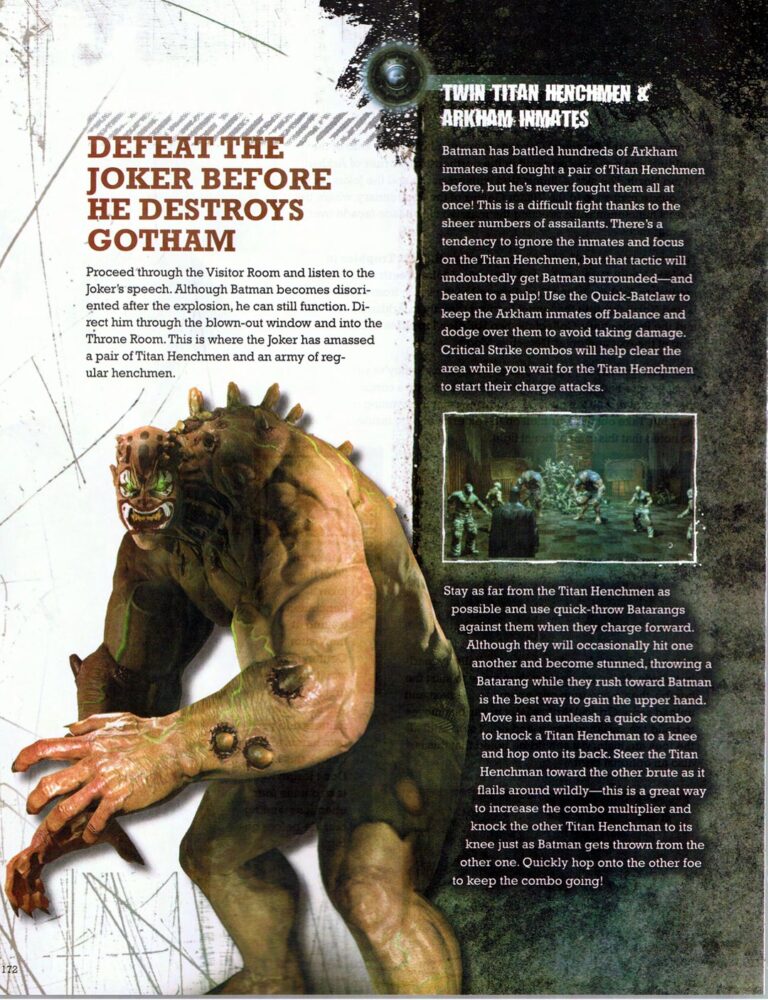
A design-focused look at Arkham’s villain roster and enemy structure as storytelling systems, not just boss fights.

A design-focused look at Arkham’s villain roster and enemy structure as storytelling systems, not just boss fights.
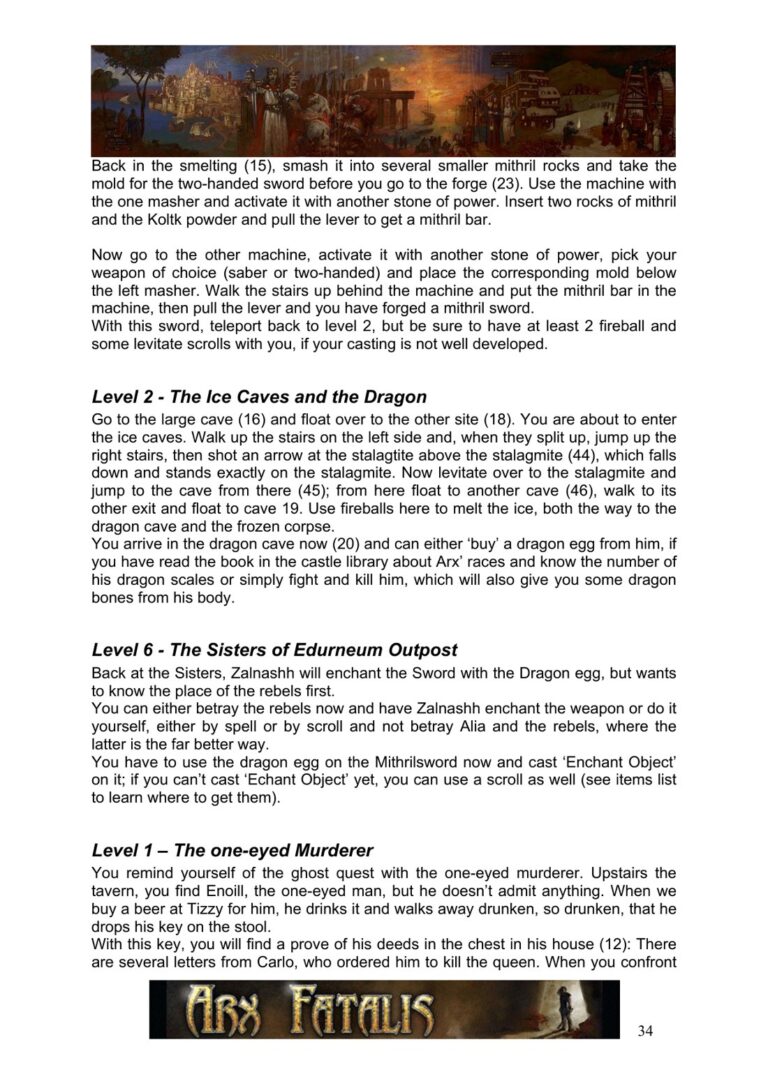
A design-focused look at how Arx Fatalis uses composition, contrast, and environmental storytelling to guide players.
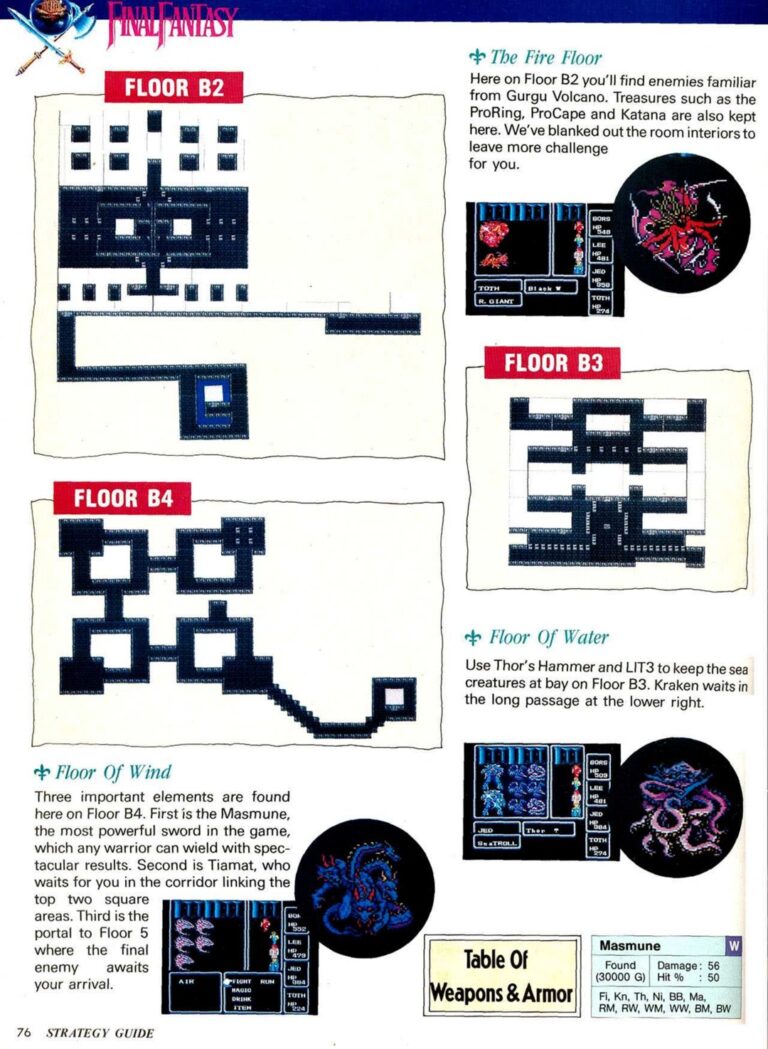
How to combine map reading, encounter control, and route pacing for cleaner dungeon clears in Final Fantasy I.
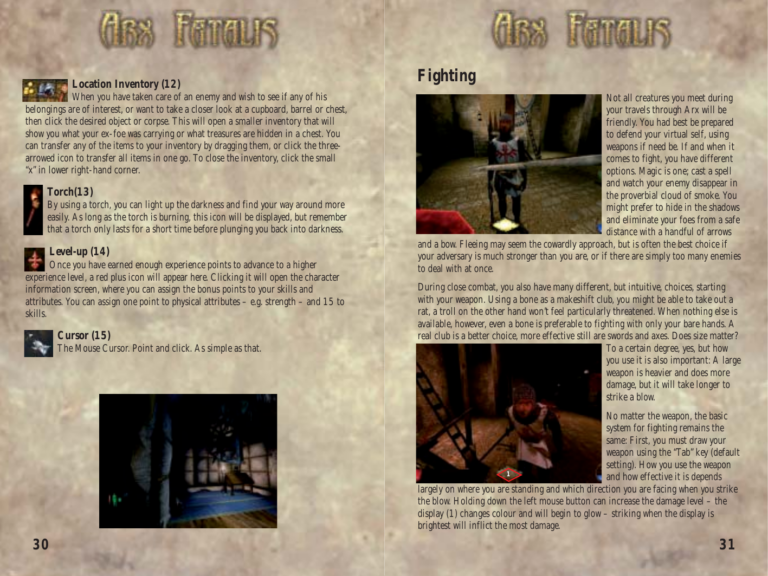
Meet the memorable characters of Arx Fatalis. From mysterious allies to dangerous villains, explore the cast that brought the underground world to life.

1950s cereal ads did more than sell flakes and puffed wheat. They turned breakfast into a test of good motherhood, smart shopping, and family harmony—wrapped in sugar, mascots, and promises of nutrition.
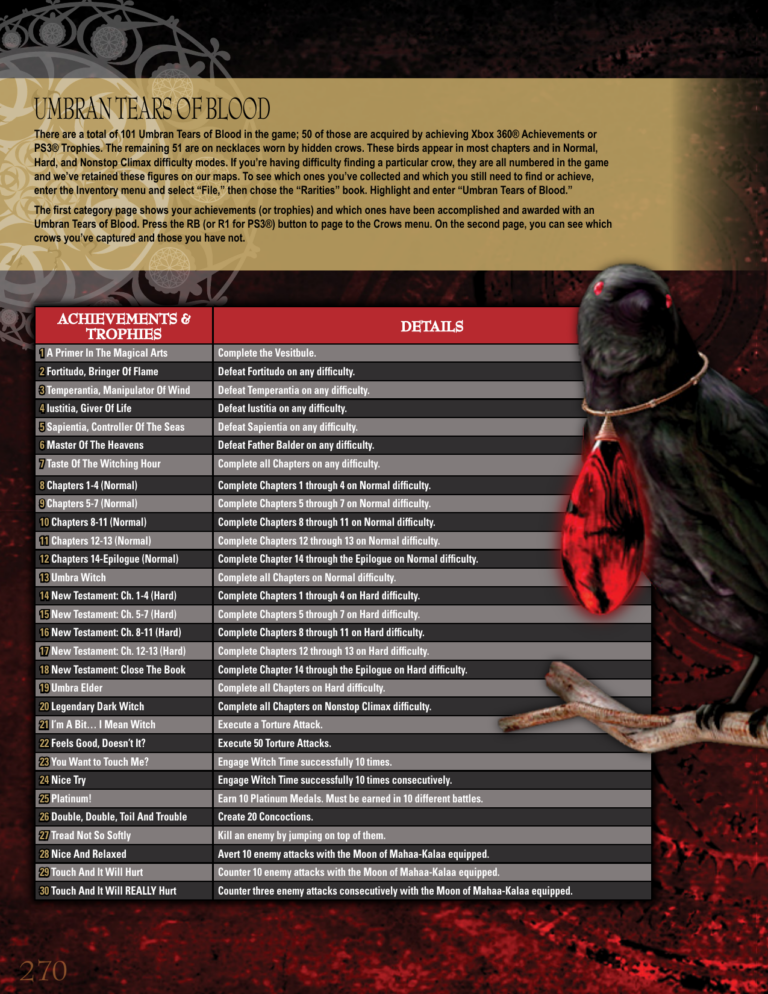
What makes a game replayable long after release? Bayonetta offers a blueprint: expression, challenge, and a combat language players want to revisit.
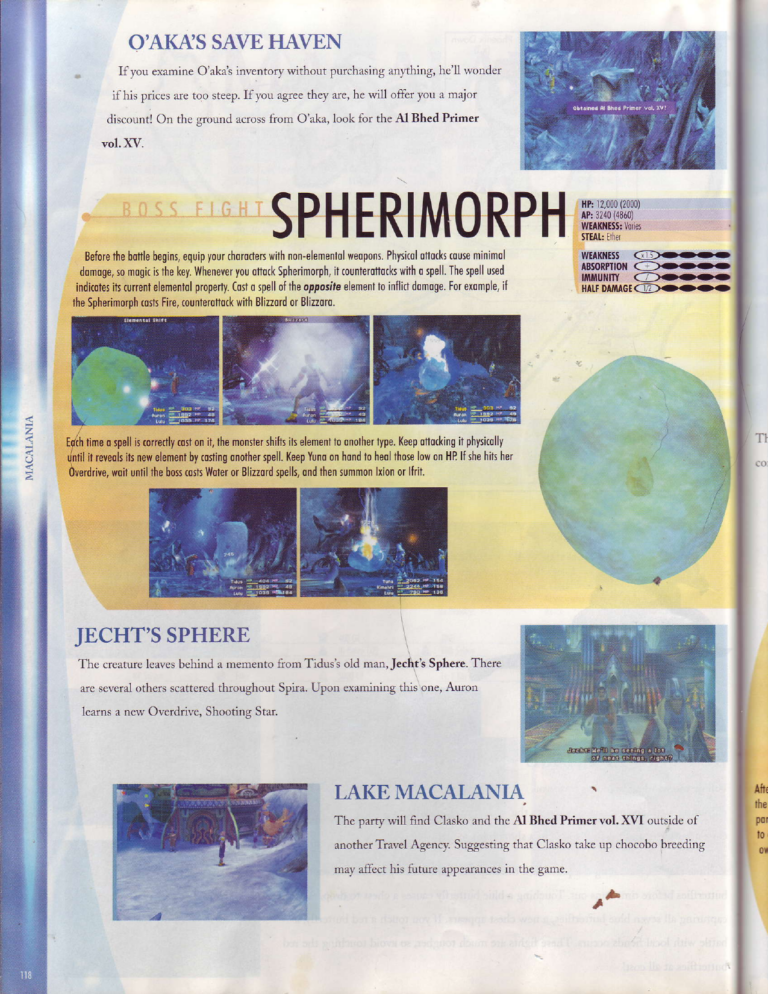
Great boss design is one of the biggest reasons Final Fantasy X still plays so well. The game avoids turning bosses into random damage spikes and instead treats each fight as a strategic test. In 2026, that approach still feels…

Detroit to Hengsha: Why Human Revolution’s Hub Design Still Deserves Respect

Gunfights, Cover, and Calm: Red Dead Combat Feels Better When You Stop Rushing

How to use item-grid pages from the official guide for smarter gear planning without drowning in stat noise.